Wang & Söderström is an artist and design duo investigating the intersections between technology, ecology, and human perception in a changing world.
2025
27 Antennae
Installation, Public Art
2025
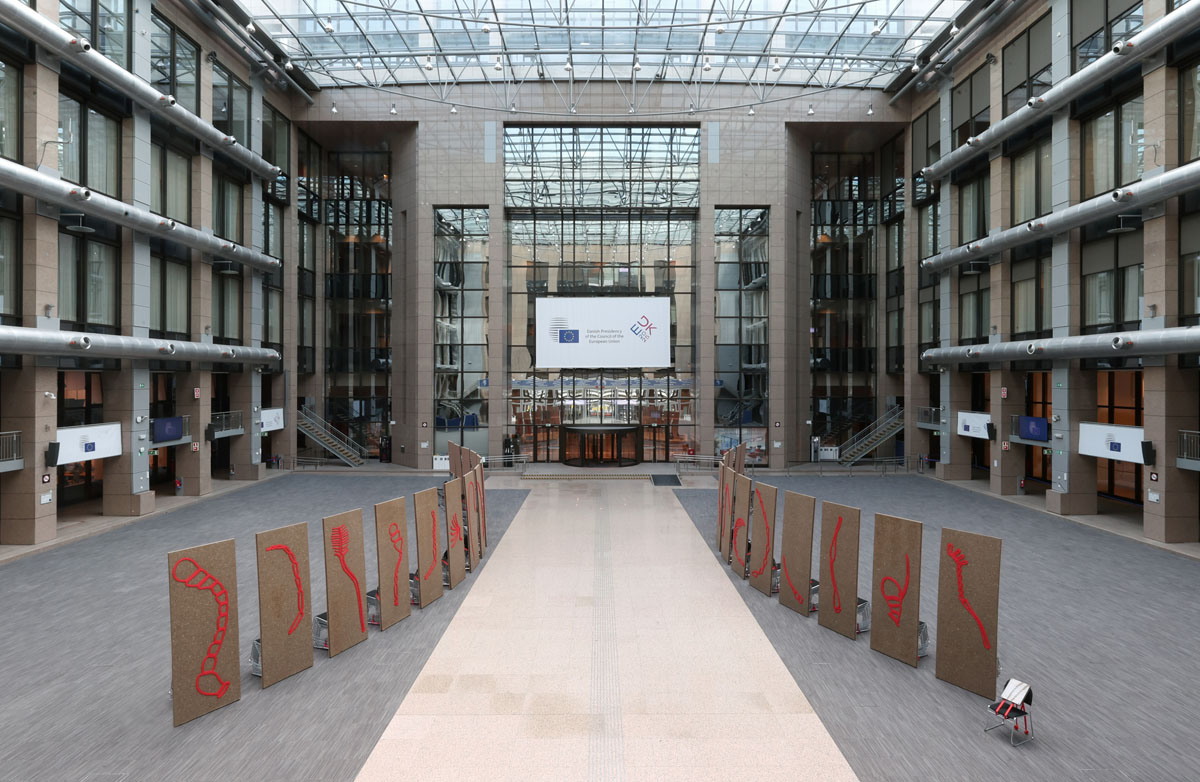
Superorganism
Installation, Public Art

2025
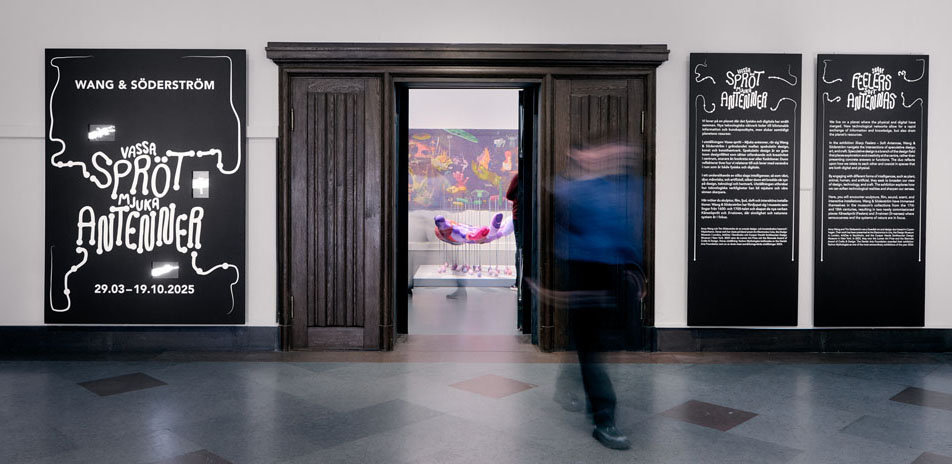
Sharp Feelers – Soft Antennas
Solo Exhibition
2025
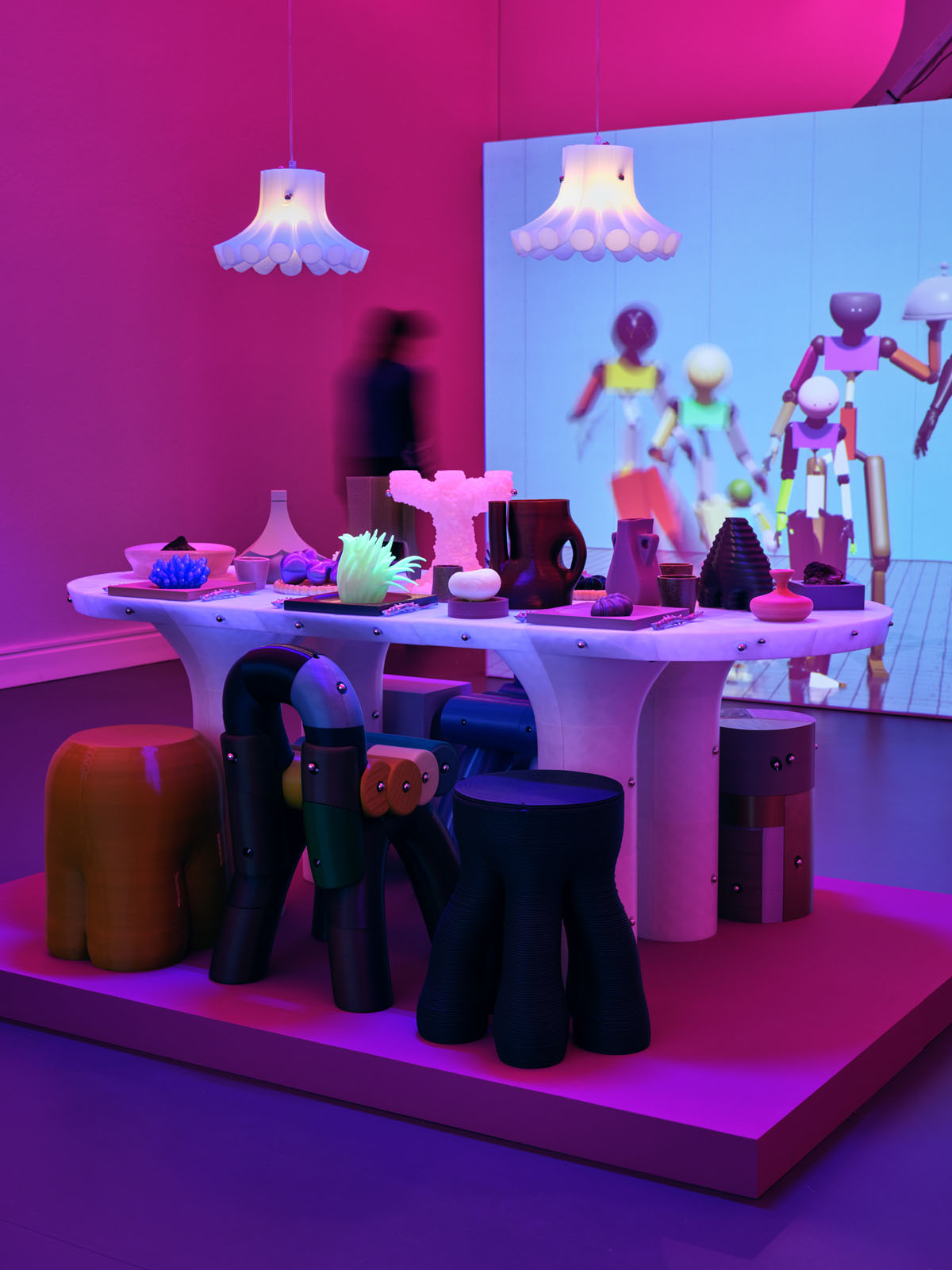
The Liminal Eatery II
Interactive installation
2025
Känselspröt (Feelers)
Tapestry

2025
5+sinnen (5+senses)
Folding Screen

2025
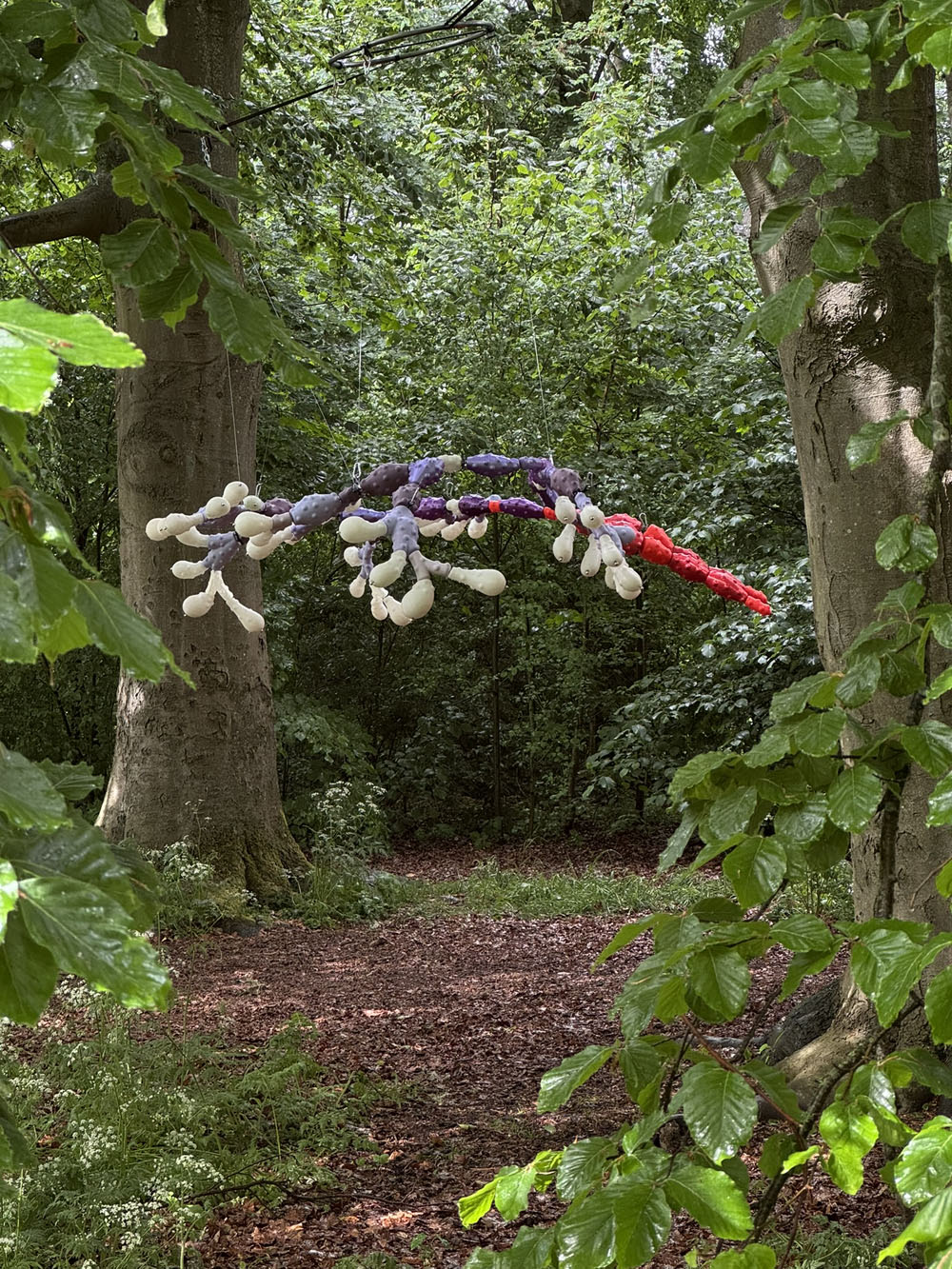
Sense Machine
Installation, Public Art
2025
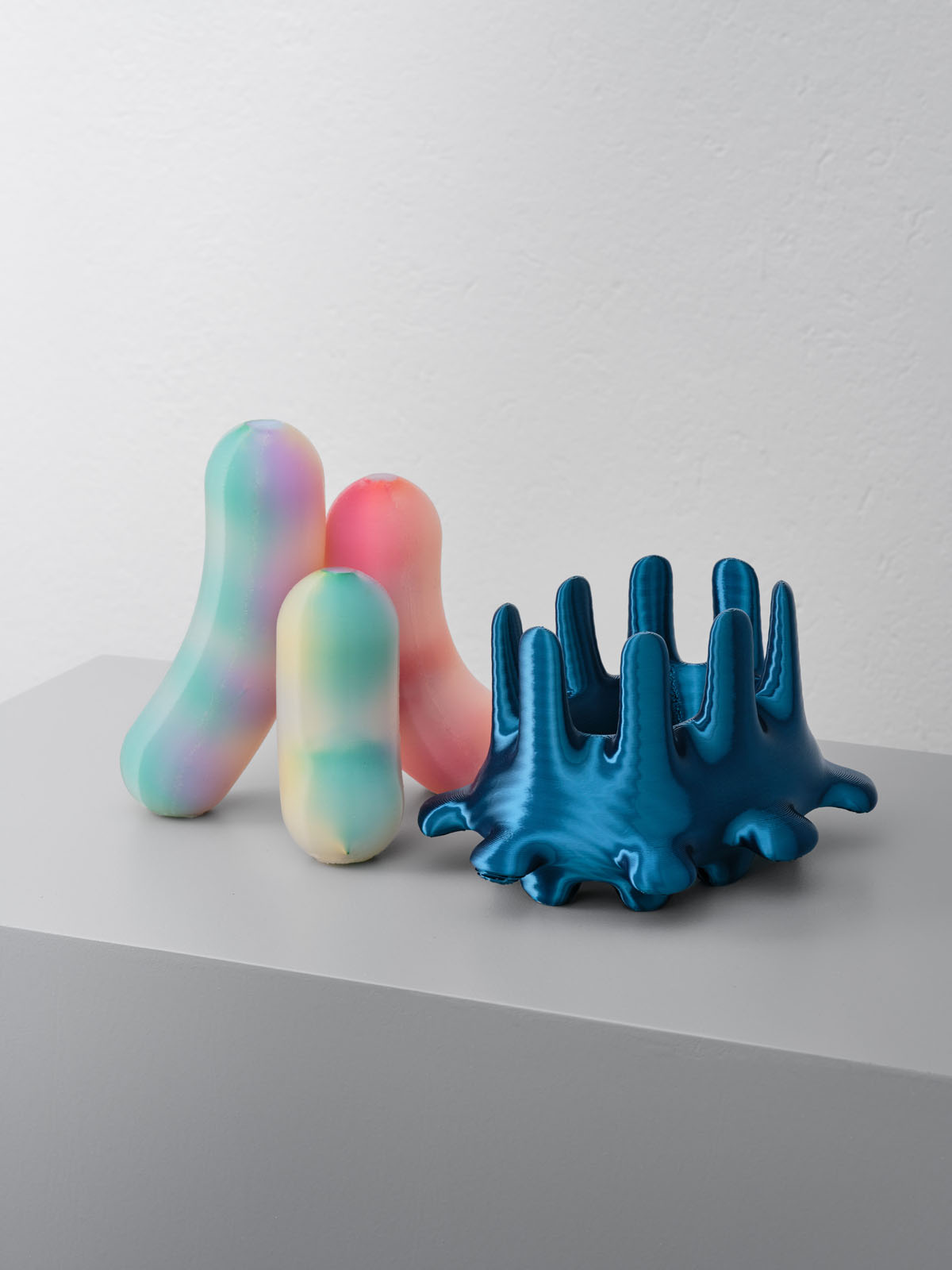
Making Kin II
Sculpture
2024
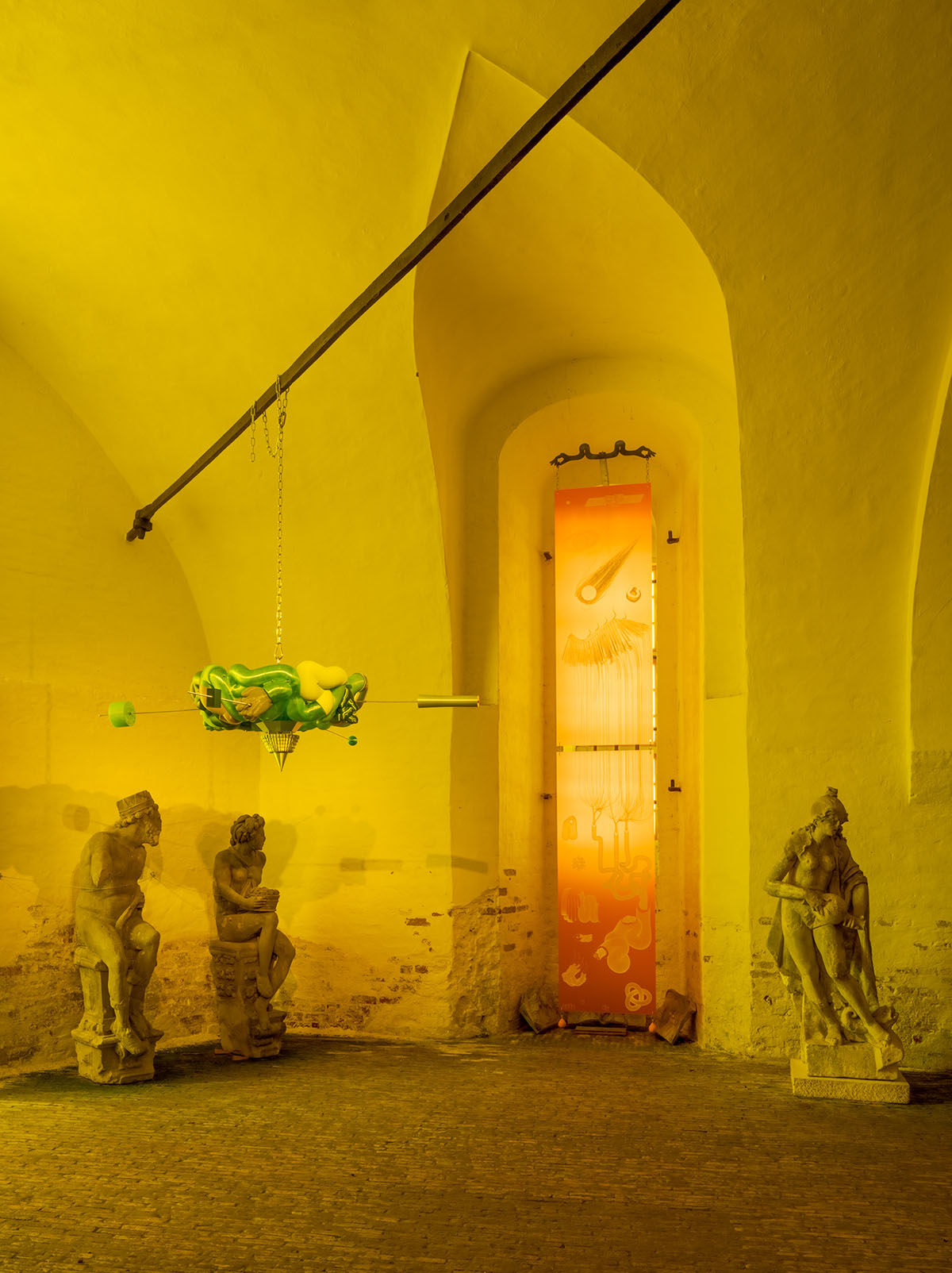
Techno Mythologies
Solo Exhibition
2024
Snake Oil
Sculpture

2024
VIKING
Sculpture

2024
Hand of the Many
Sculpture
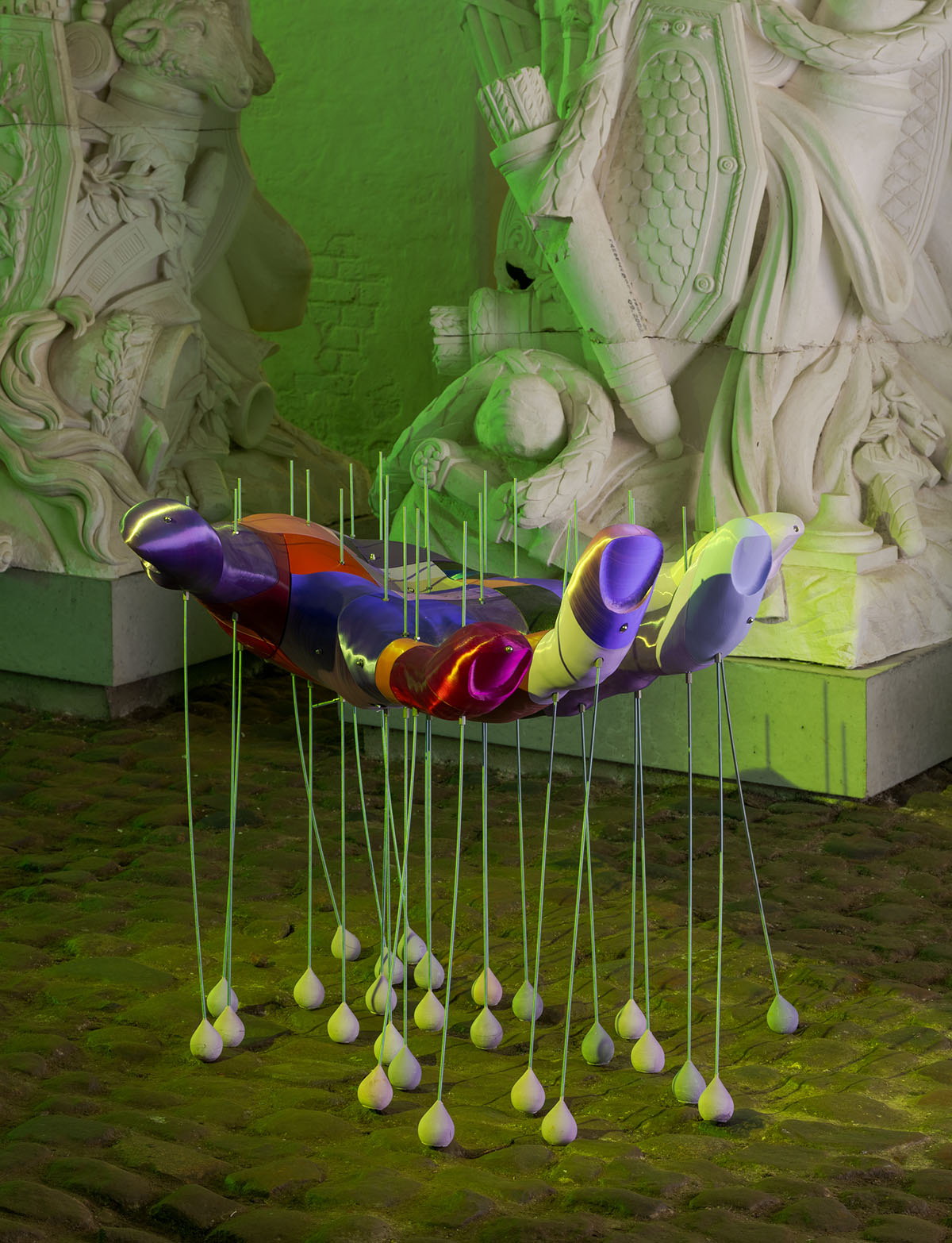
2024
Hand of Rebirth
Sculpture

2024
Trunks I-III
Sculpture
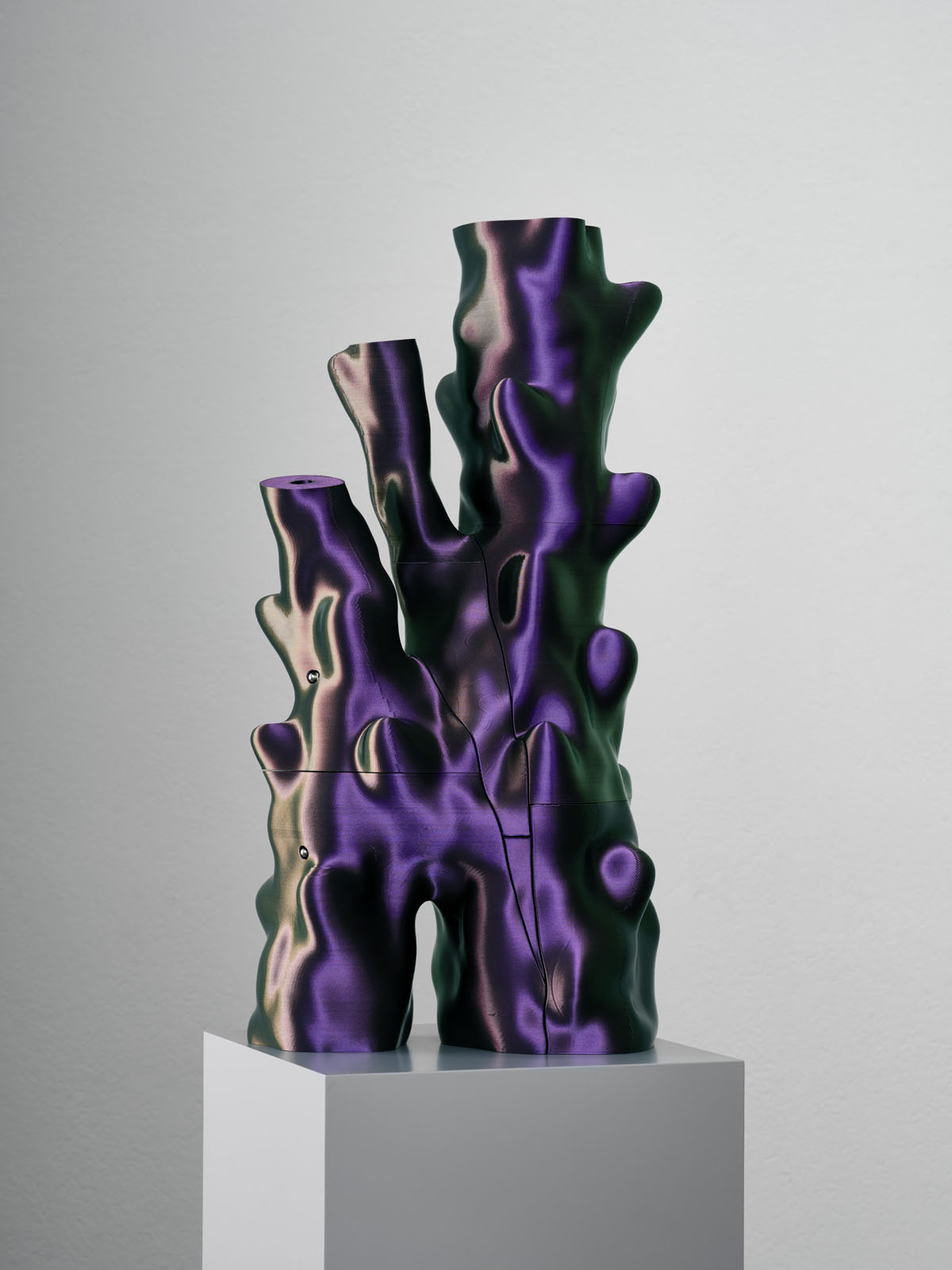
2024
Feeling Forward I
Relief
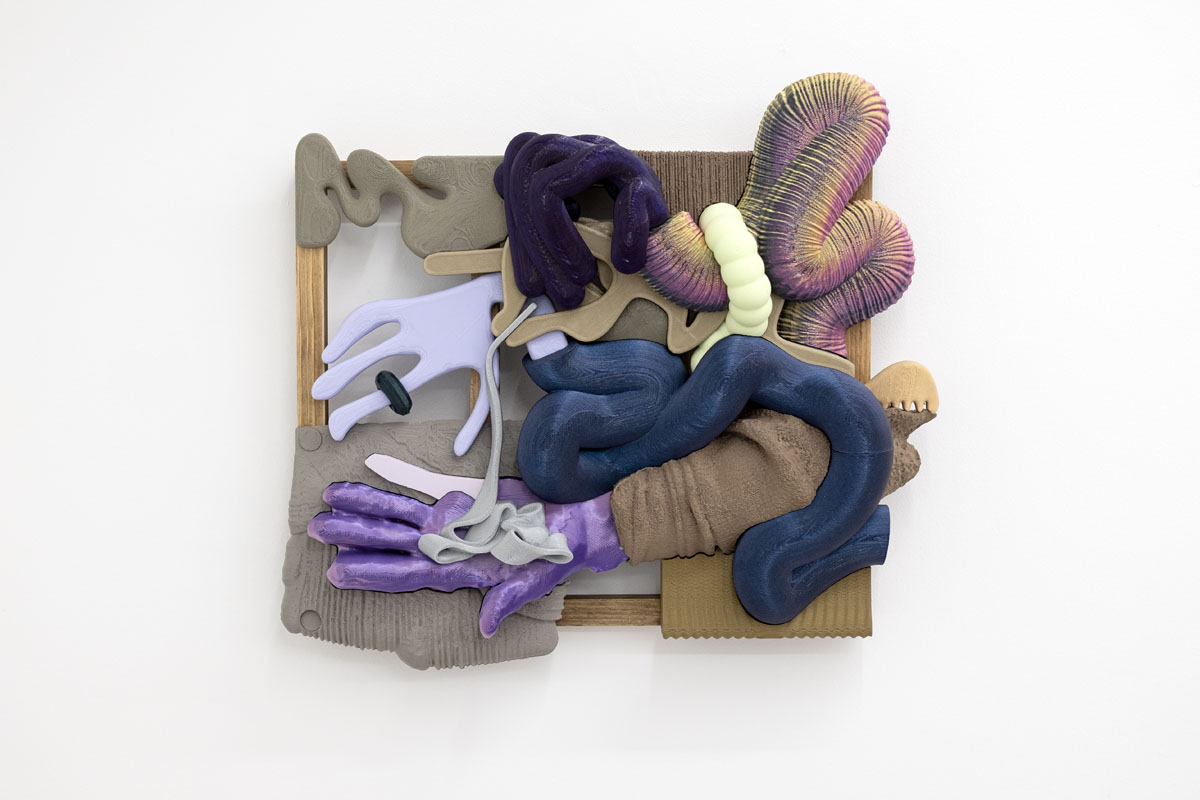
2024
Feeling Forward II
Glass Etch
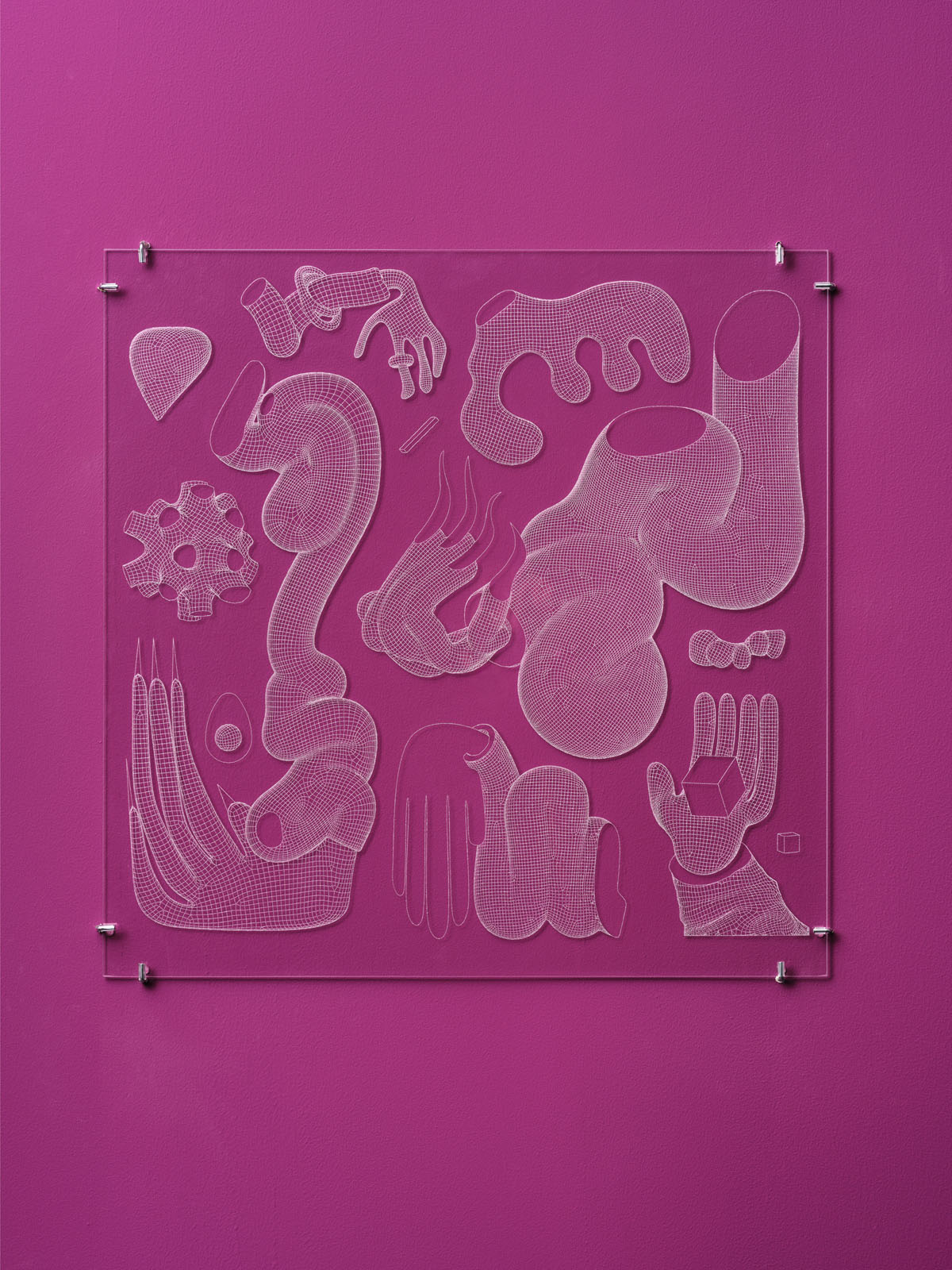
2024
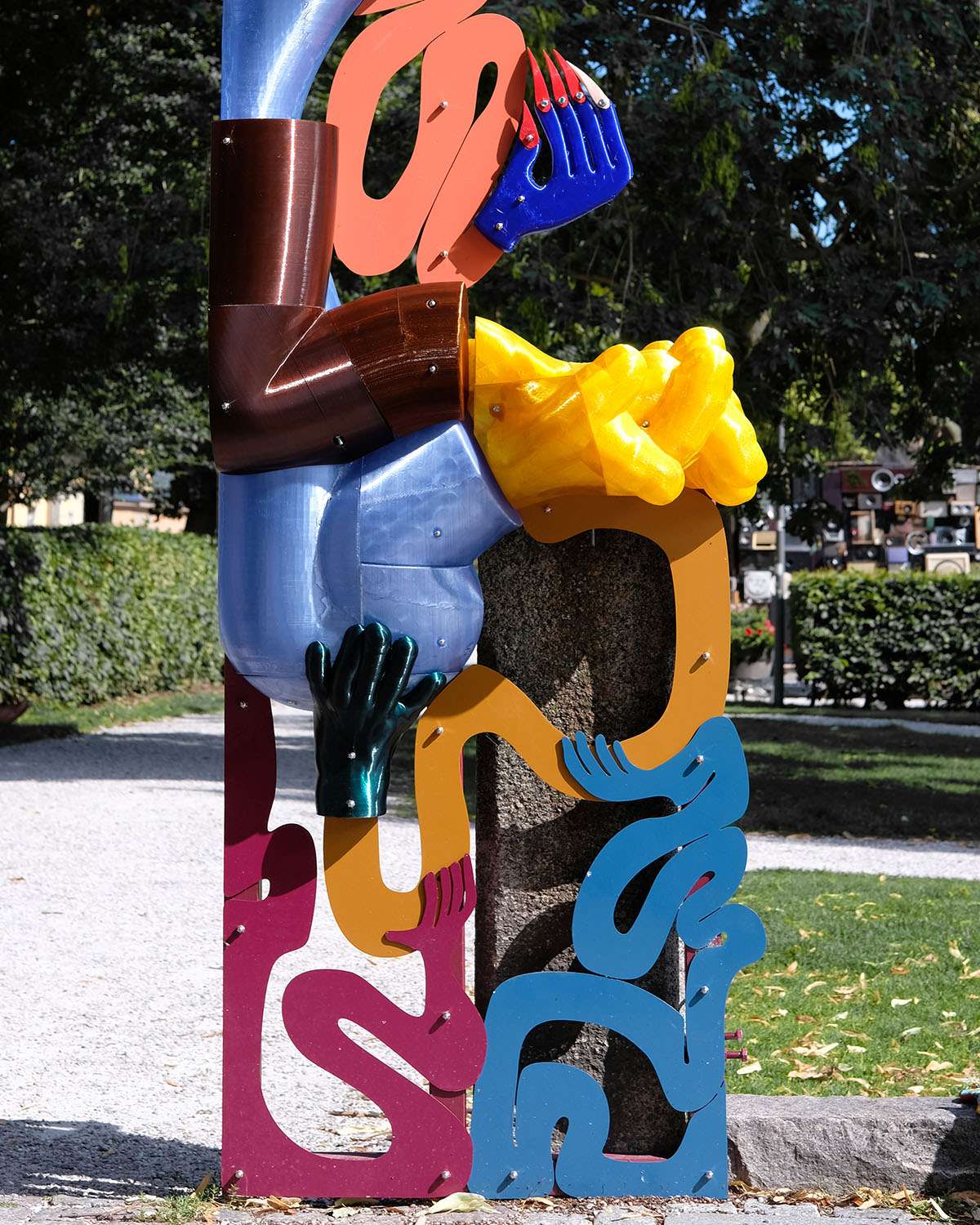
Hand in Hand
Installation, Public Art
2023
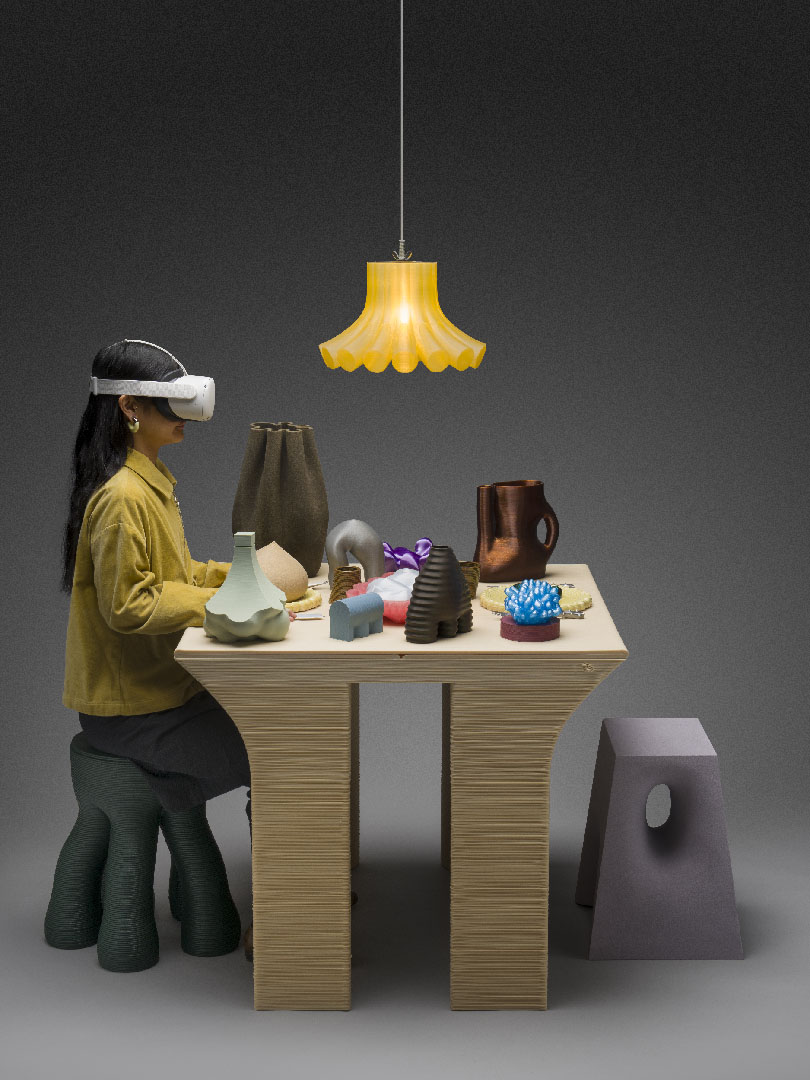
The Liminal Eatery
Interactive Installation
2023
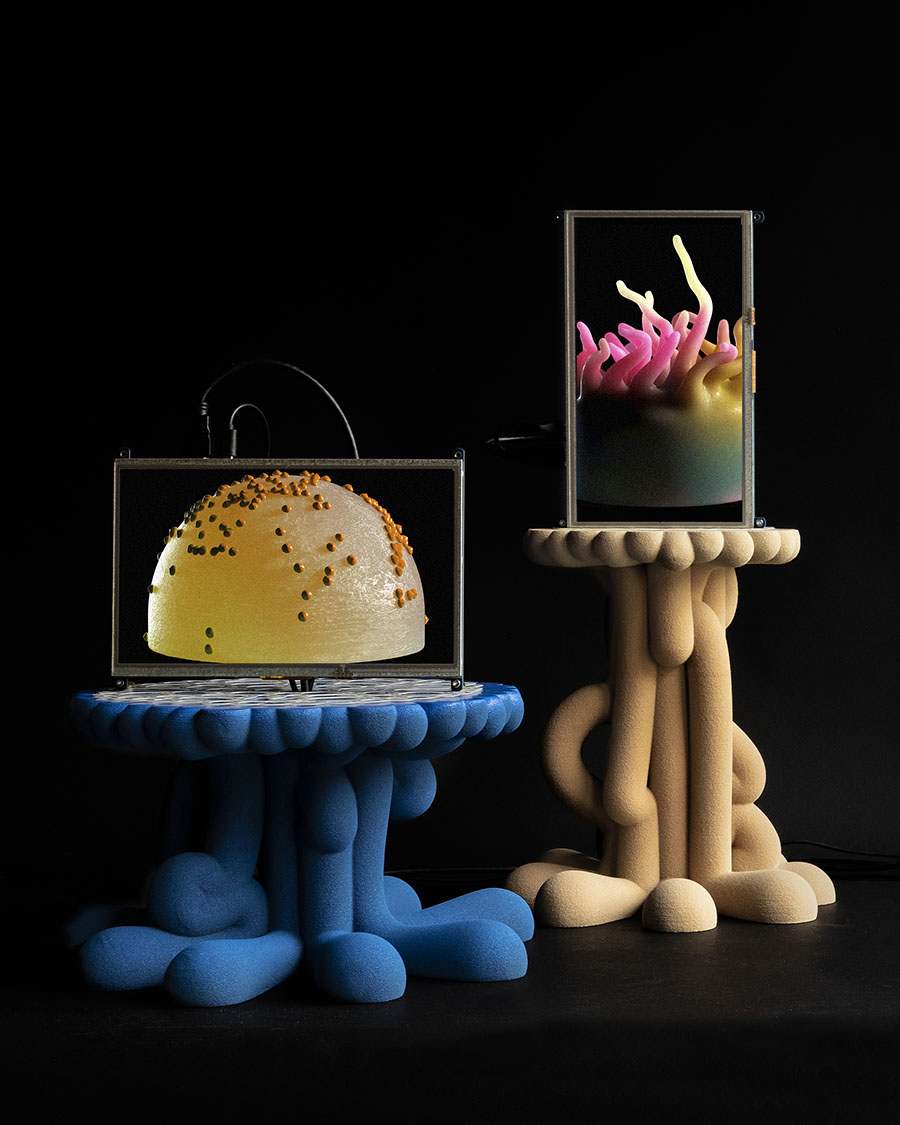
Digital Indulgence
Sculpture
2023
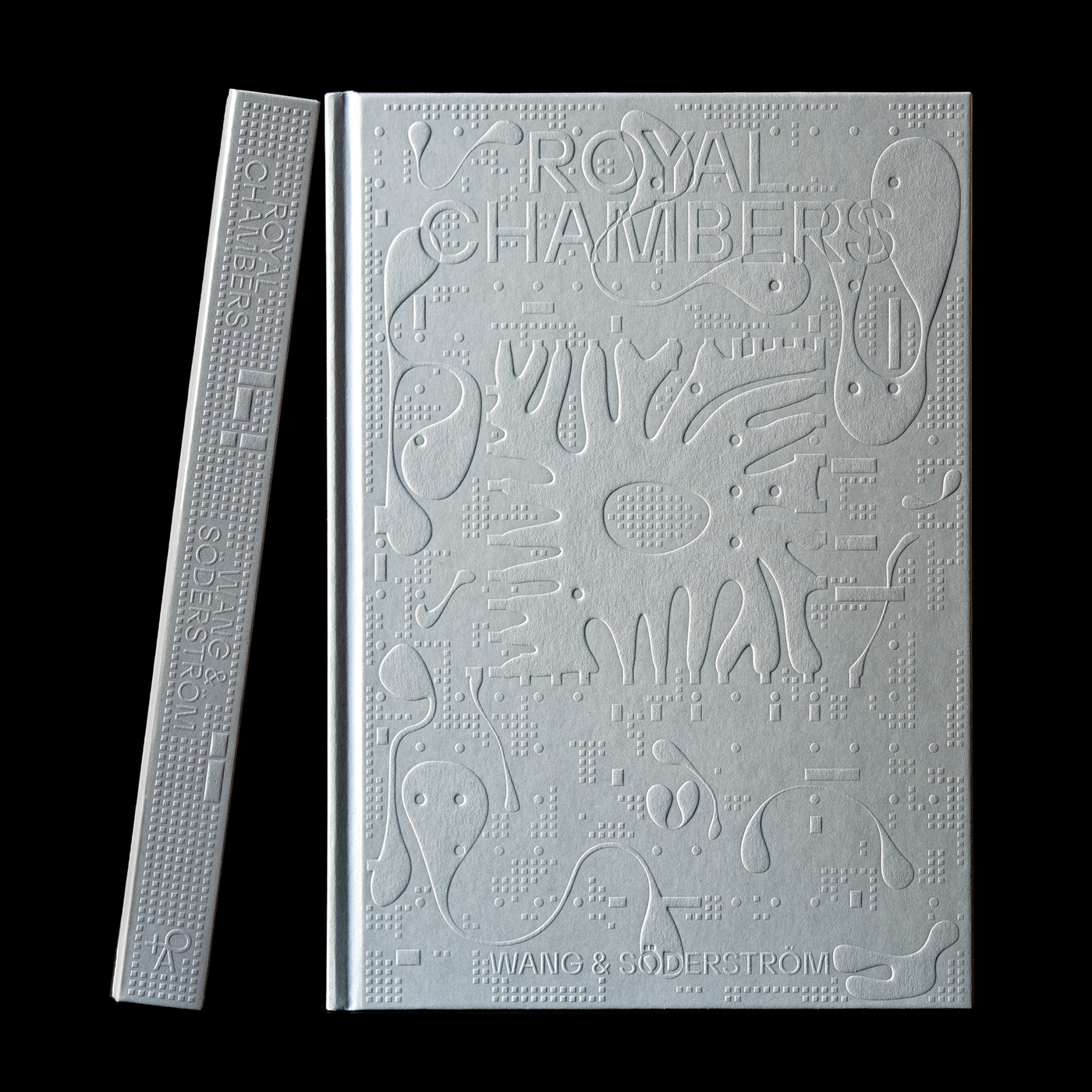
Royal Chambers - Book
Publication
2023
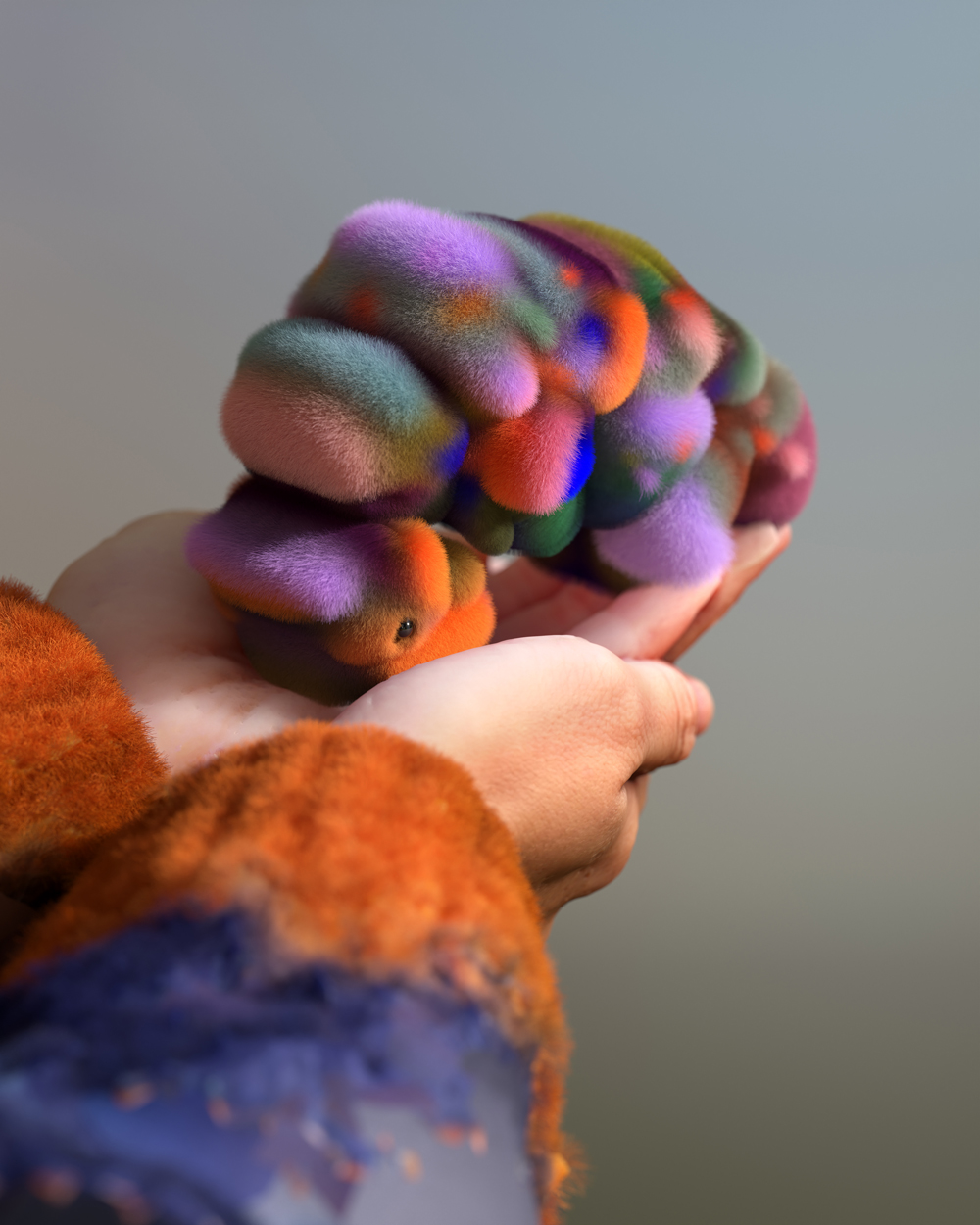
Handling
Digital Imagery
2023
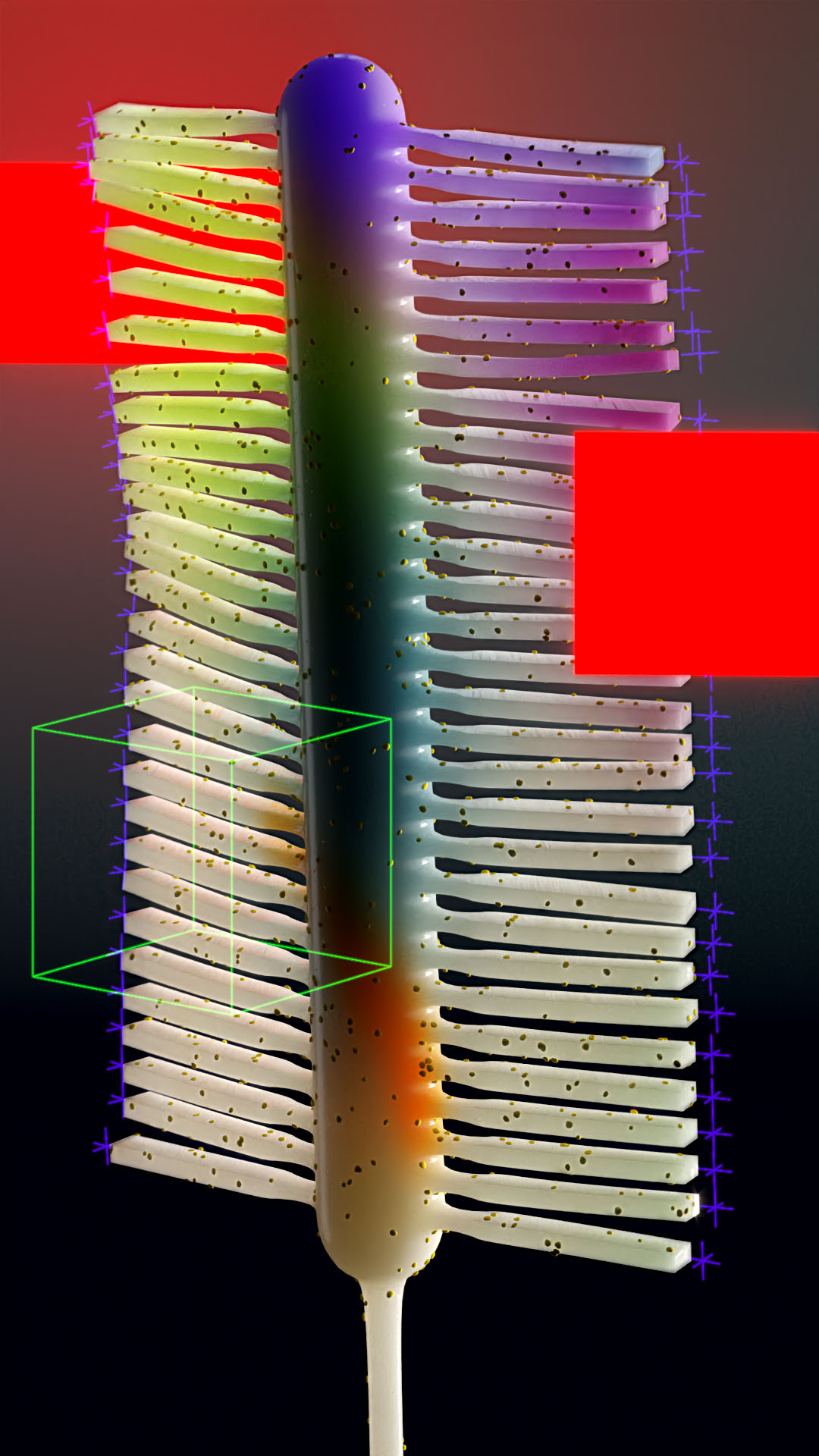
Synthetic Crops II
Digital Imagery
2022
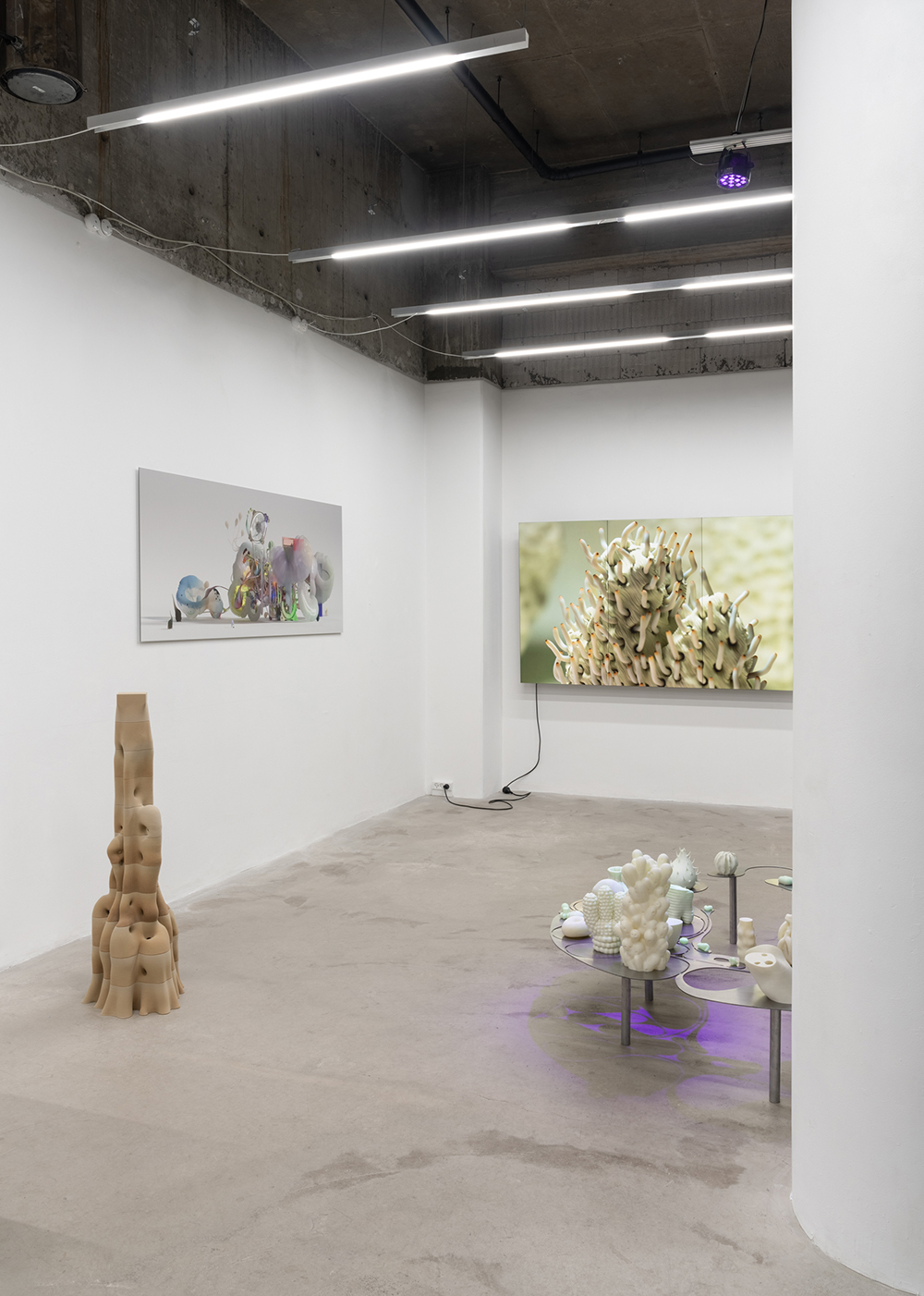
Royal Chambers
Solo Exhibition
2022
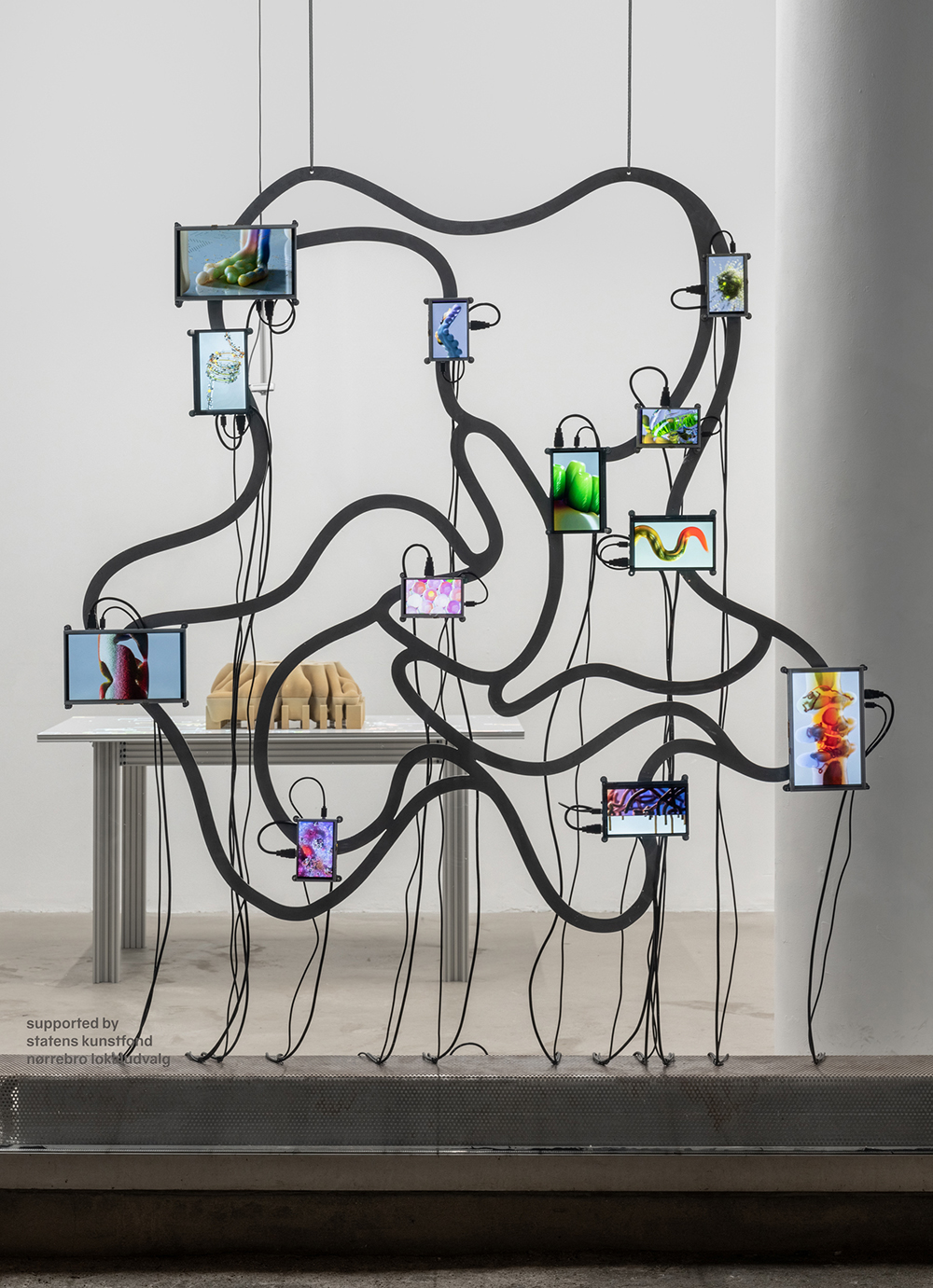
Wh331 0f 1!f3
Video Installation
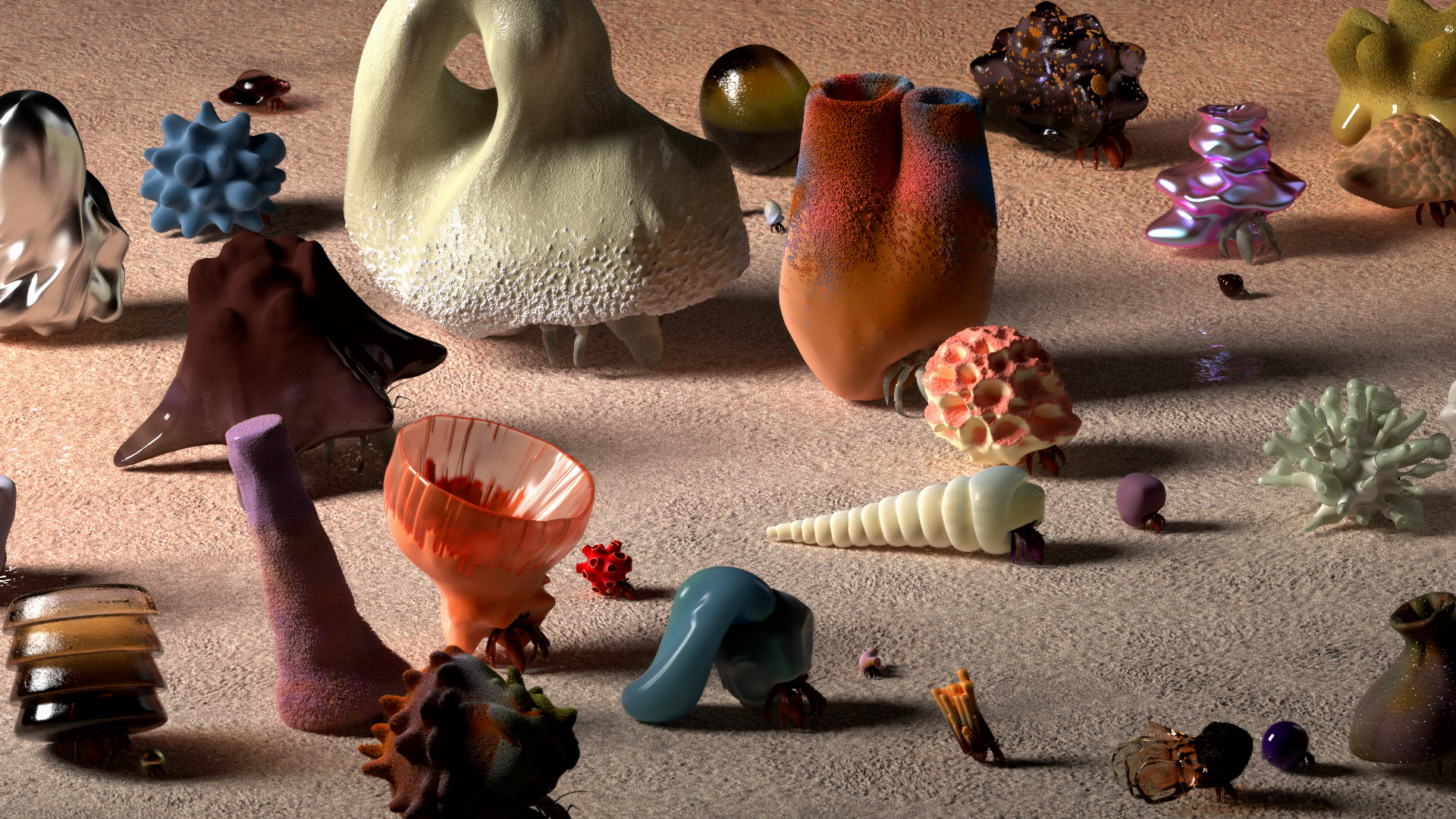
2022
Rehousing Technosphere
Animation
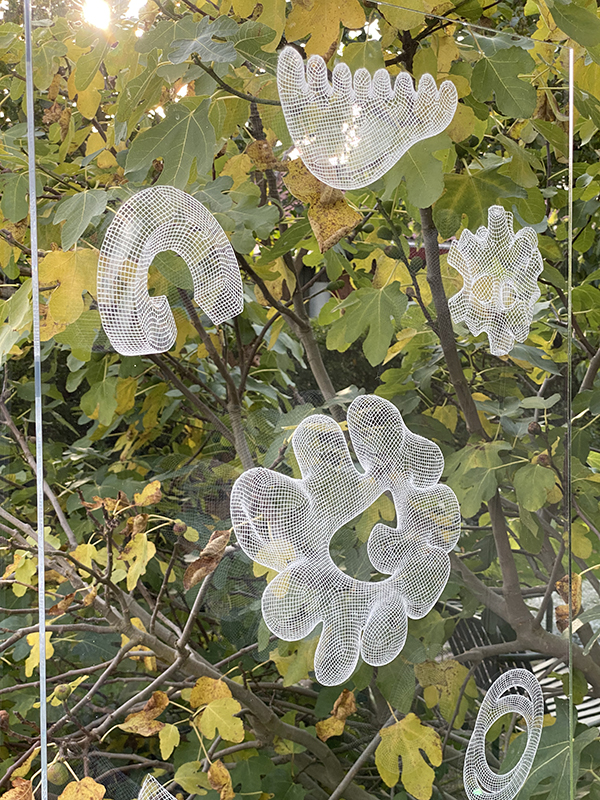
2022
Between Earth and Cloud
Sculptural Installation
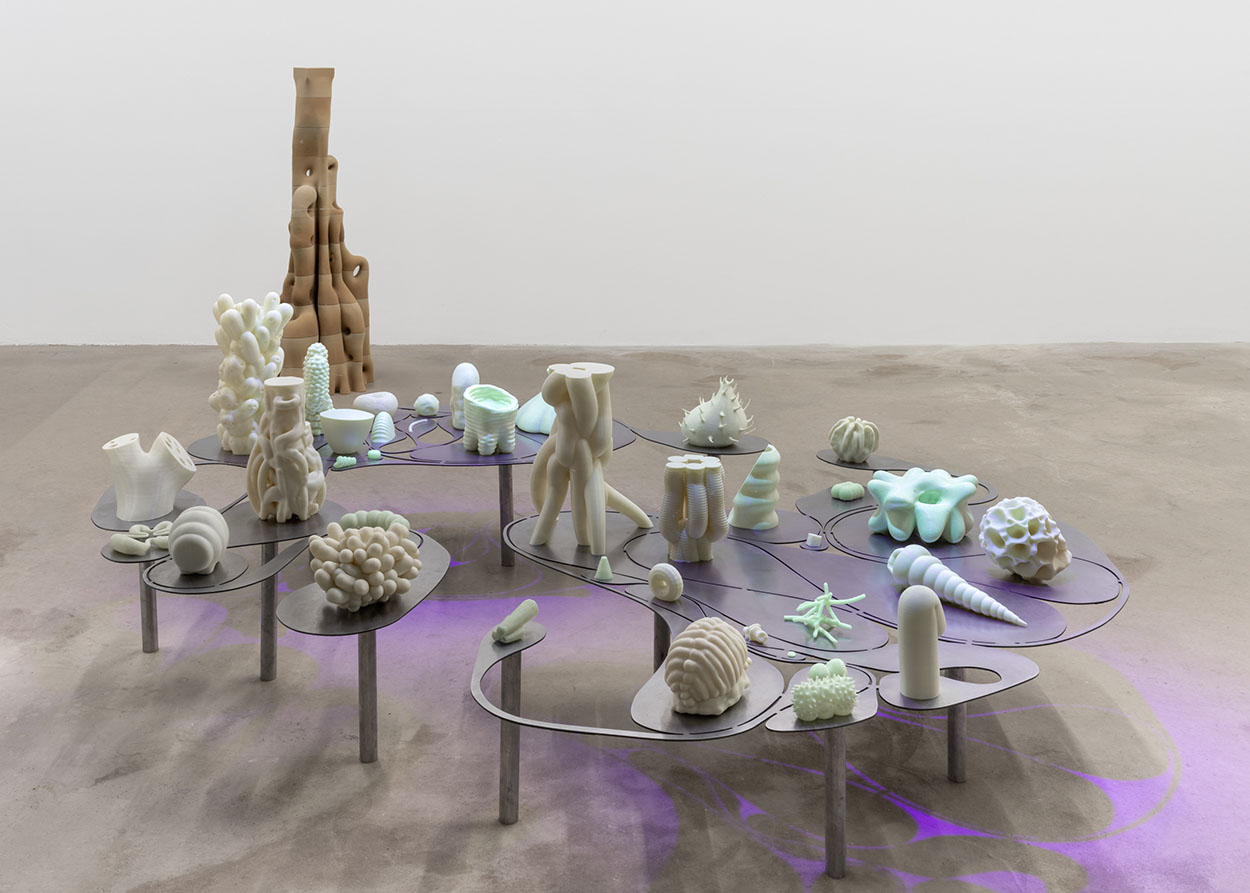
2022
Nest of You
Interactive Installation
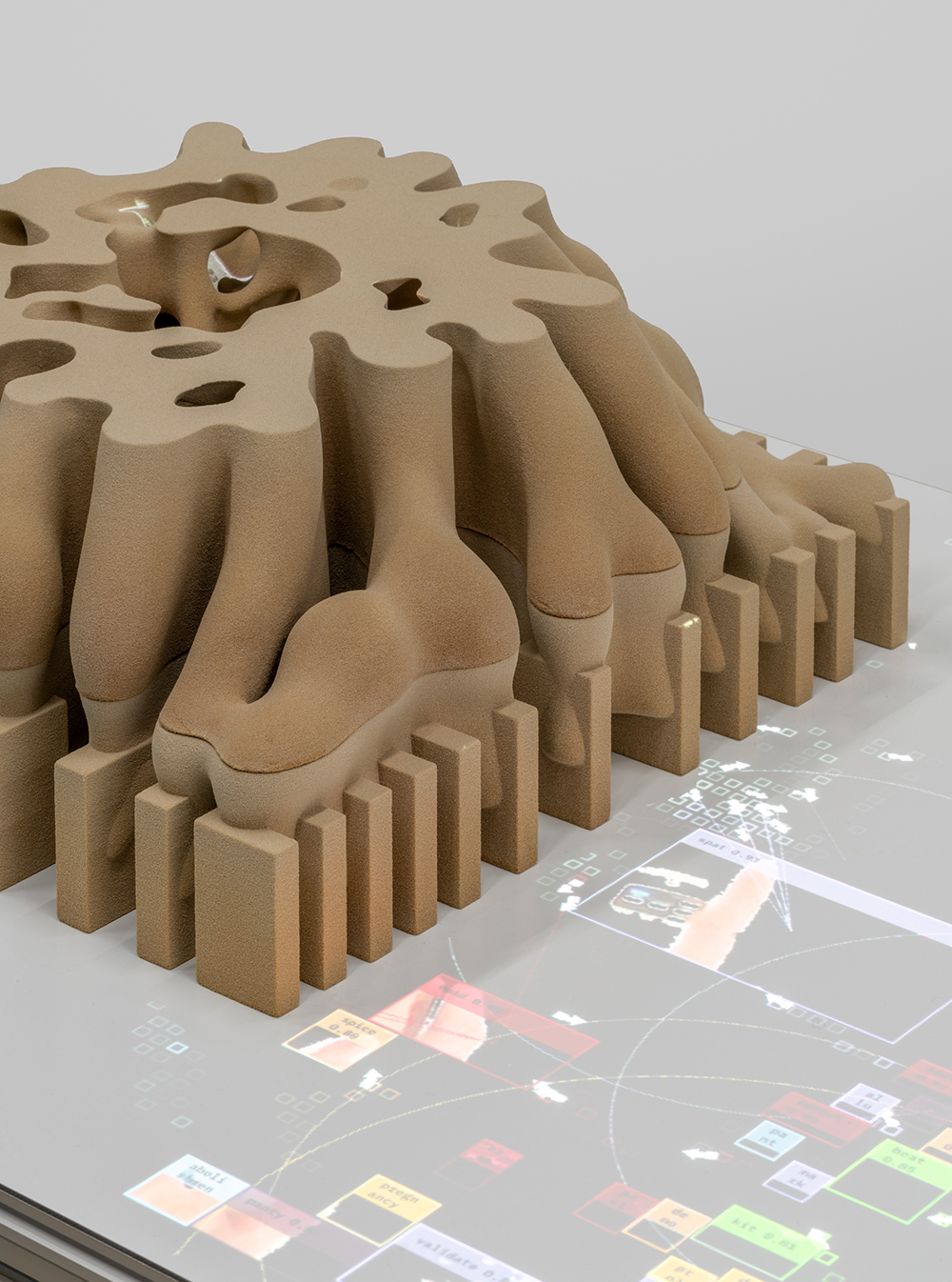
2022
Abiogenesis
Digital Print
Show More ︎︎︎



© 2016 —
2026 Wang & Söderström

5+sinnen
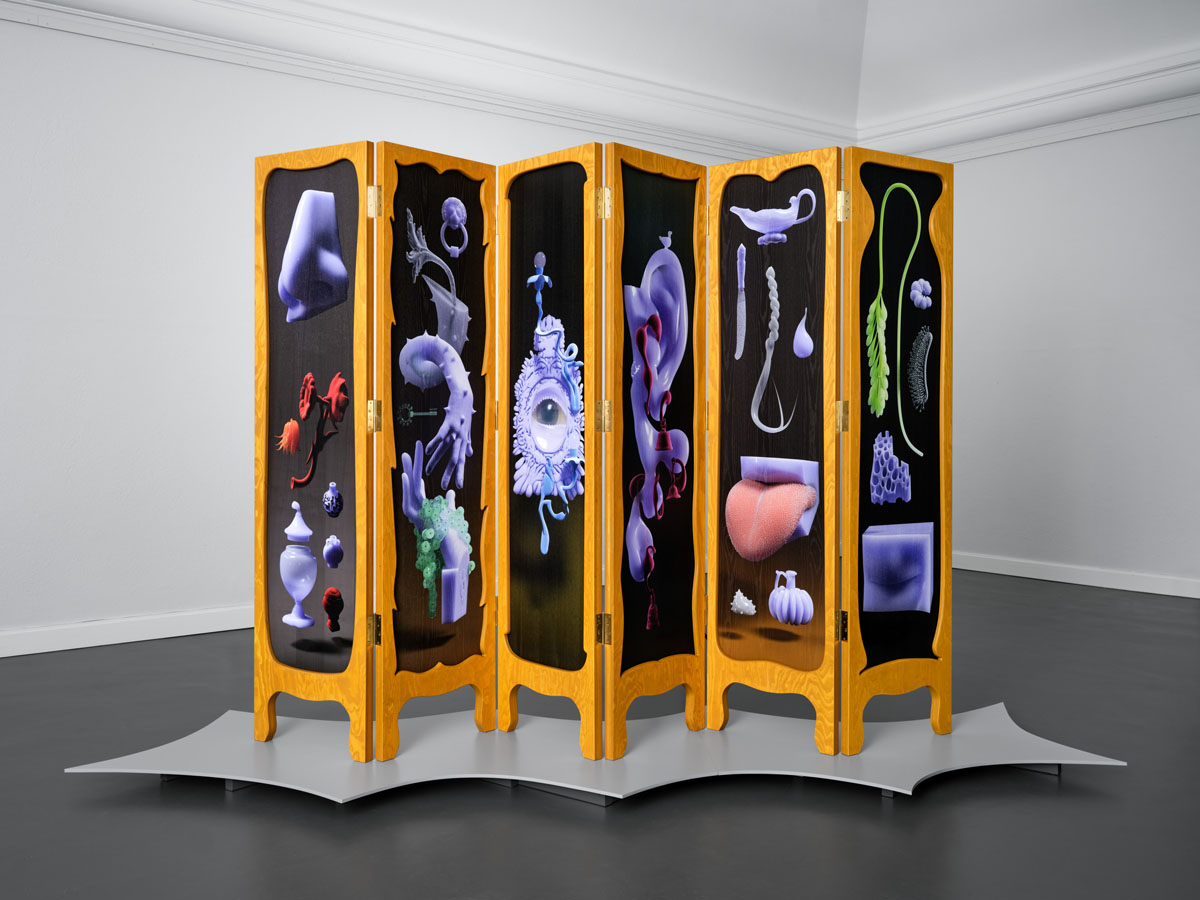
Year: 2025
Folding Screen
Technique: Digital sculpting, carpentry, UV printing, Augmented Reality
Material: Pine wood, ash wood, linseed oil stain, brass
Photos by: Carl Ander
Supported by The Danish Arts Foundation. Acquired to Röhsska Museums permanent collection.
Folding Screen
Technique: Digital sculpting, carpentry, UV printing, Augmented Reality
Material: Pine wood, ash wood, linseed oil stain, brass
Photos by: Carl Ander
Supported by The Danish Arts Foundation. Acquired to Röhsska Museums permanent collection.
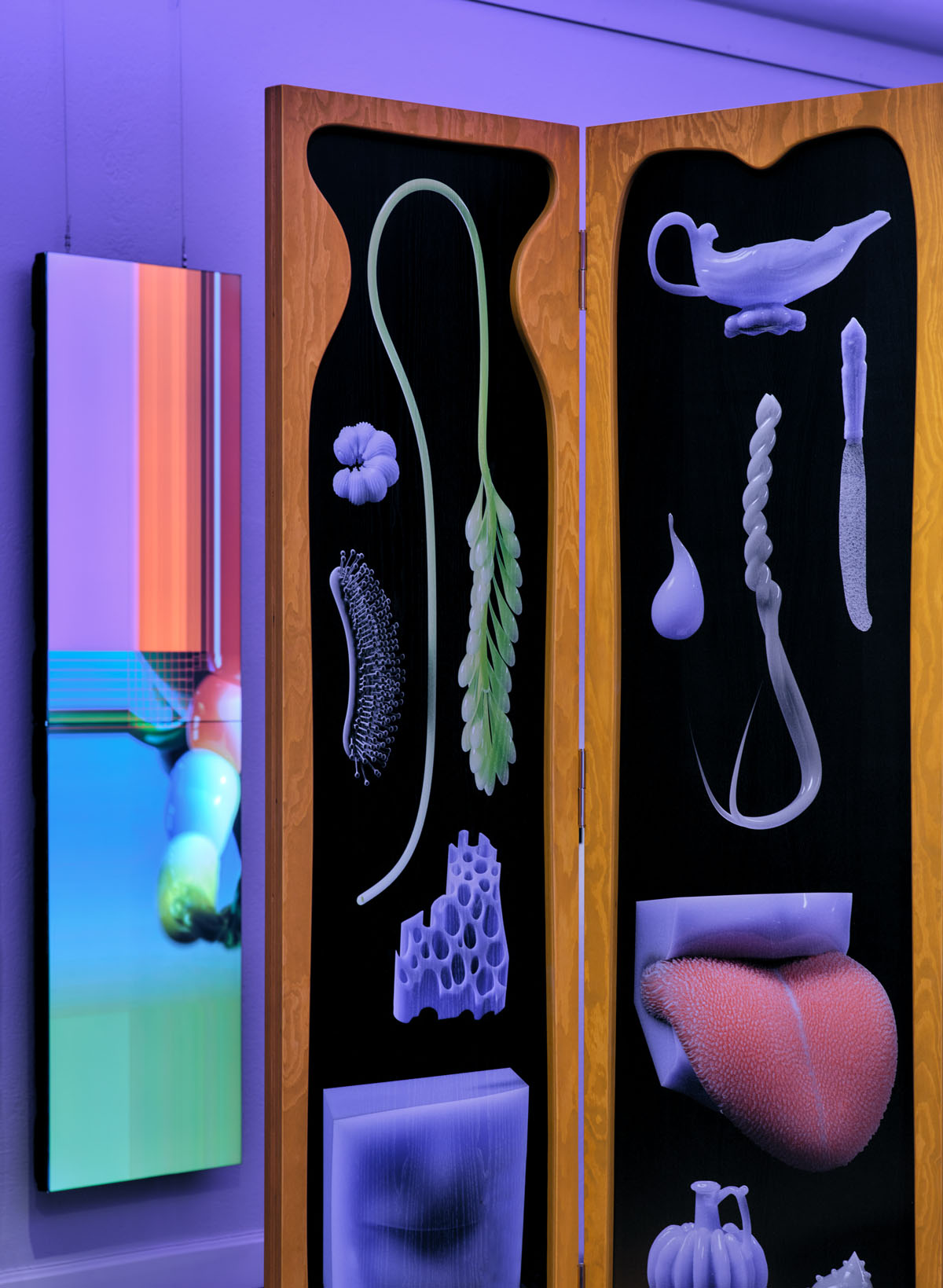
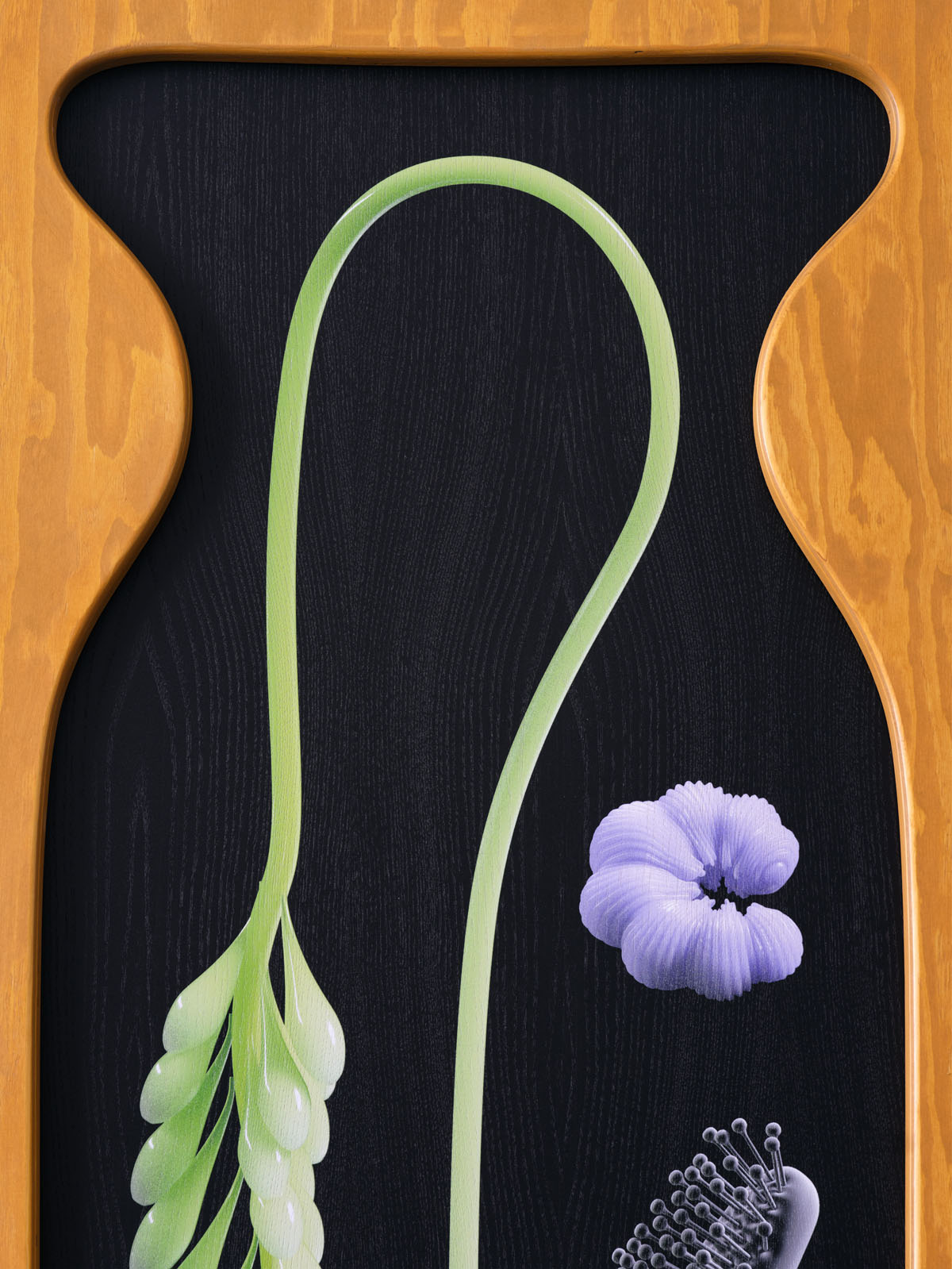
The screen 5+sinnen (5+senses) consists of six panels featuring interpretations of objects from the Röhsska Museum’s collections. The first five relate to the human senses. In the final panel, Wang & Söderström playfully explore a sixth undiscovered sense. The duo draws on the 17th and 18th century fascination with nature and its systems. The motifs are brought to life through augmented reality (AR), where a digital layer is activated in real-time via a screen.
Technological innovation has gone hand in hand with human exploration of the world. Across cultures, the senses have played a central role in understanding and creating knowledge. In the 18th century, when global exchanges intensified, the body and the senses were seen as essential tools for experiencing and understanding the world around us. The panels on the screen present objects from the museum’s collections as carriers of 18th-century global sensory experiences: coffee, sugar, spices and tobacco, whose history is inter-twined with trade, colonialism and cultural encounters across continents. 5+sinnen also reflects on screens’ changing form and function throughout design history. Folding screens and fire screens protected against unwanted gazes and heat, and 18th-century public entertainment offered optical illusions on various projection surfaces. Today, digital screens connect the private and the public with a third sphere – the virtual.
Technological innovation has gone hand in hand with human exploration of the world. Across cultures, the senses have played a central role in understanding and creating knowledge. In the 18th century, when global exchanges intensified, the body and the senses were seen as essential tools for experiencing and understanding the world around us. The panels on the screen present objects from the museum’s collections as carriers of 18th-century global sensory experiences: coffee, sugar, spices and tobacco, whose history is inter-twined with trade, colonialism and cultural encounters across continents. 5+sinnen also reflects on screens’ changing form and function throughout design history. Folding screens and fire screens protected against unwanted gazes and heat, and 18th-century public entertainment offered optical illusions on various projection surfaces. Today, digital screens connect the private and the public with a third sphere – the virtual.