Wang & Söderström is an artist and design duo investigating the intersections between technology, ecology, and human perception in a changing world.
2025
27 Antennae
Installation, Public Art
2025
Superorganism
Installation, Public Art

2025
Sharp Feelers – Soft Antennas
Solo Exhibition
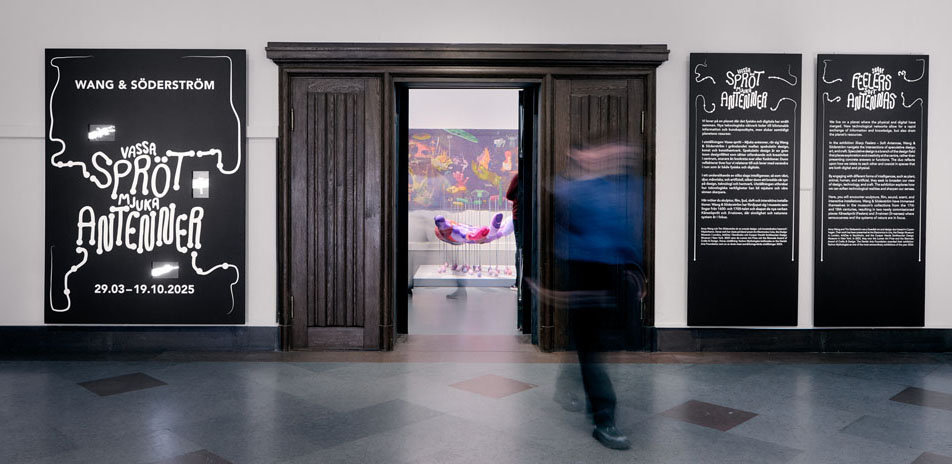
2025
The Liminal Eatery II
Interactive installation
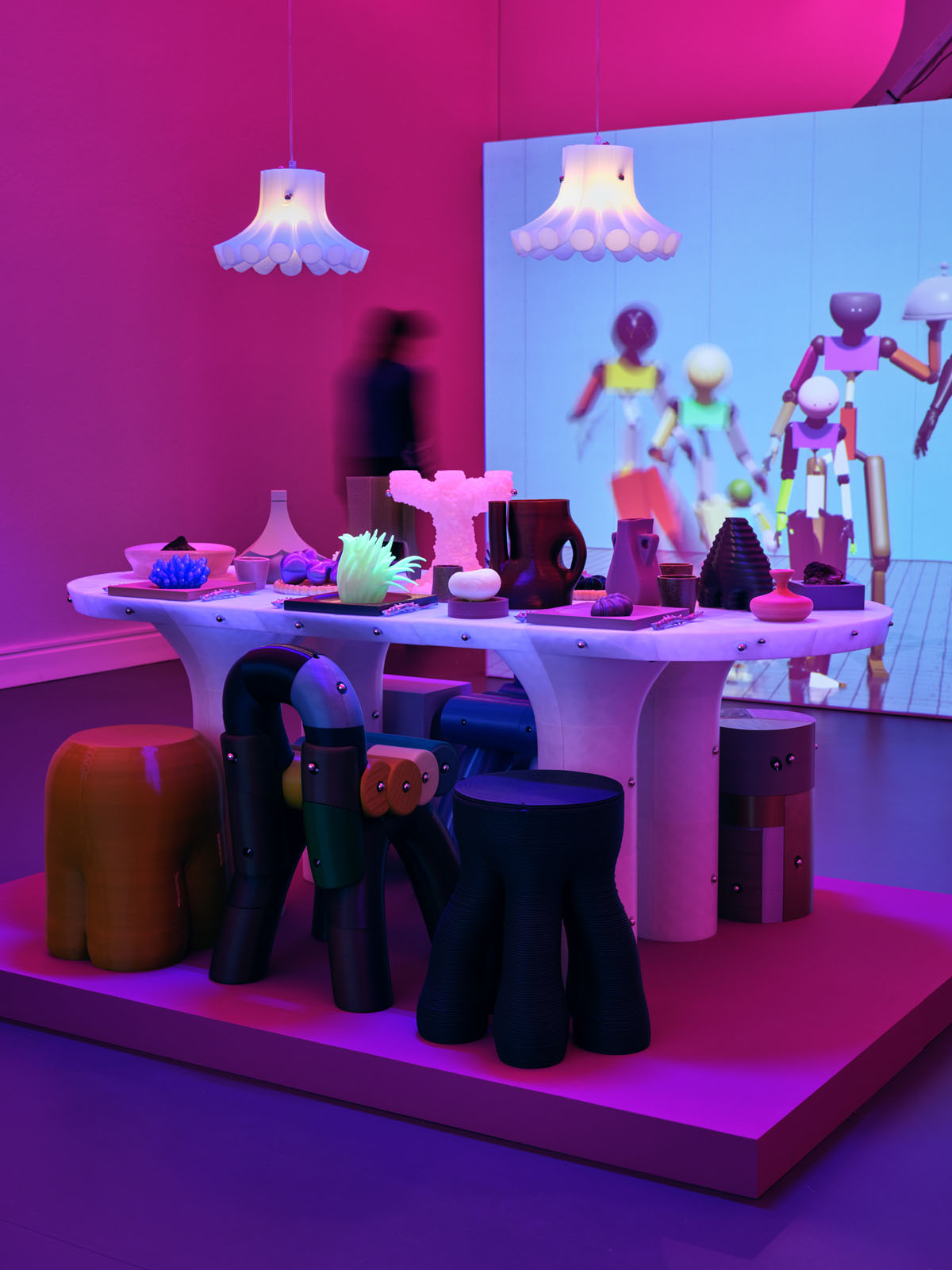
2025
Känselspröt (Feelers)
Tapestry

2025
5+sinnen (5+senses)
Folding Screen

2025
Sense Machine
Installation, Public Art
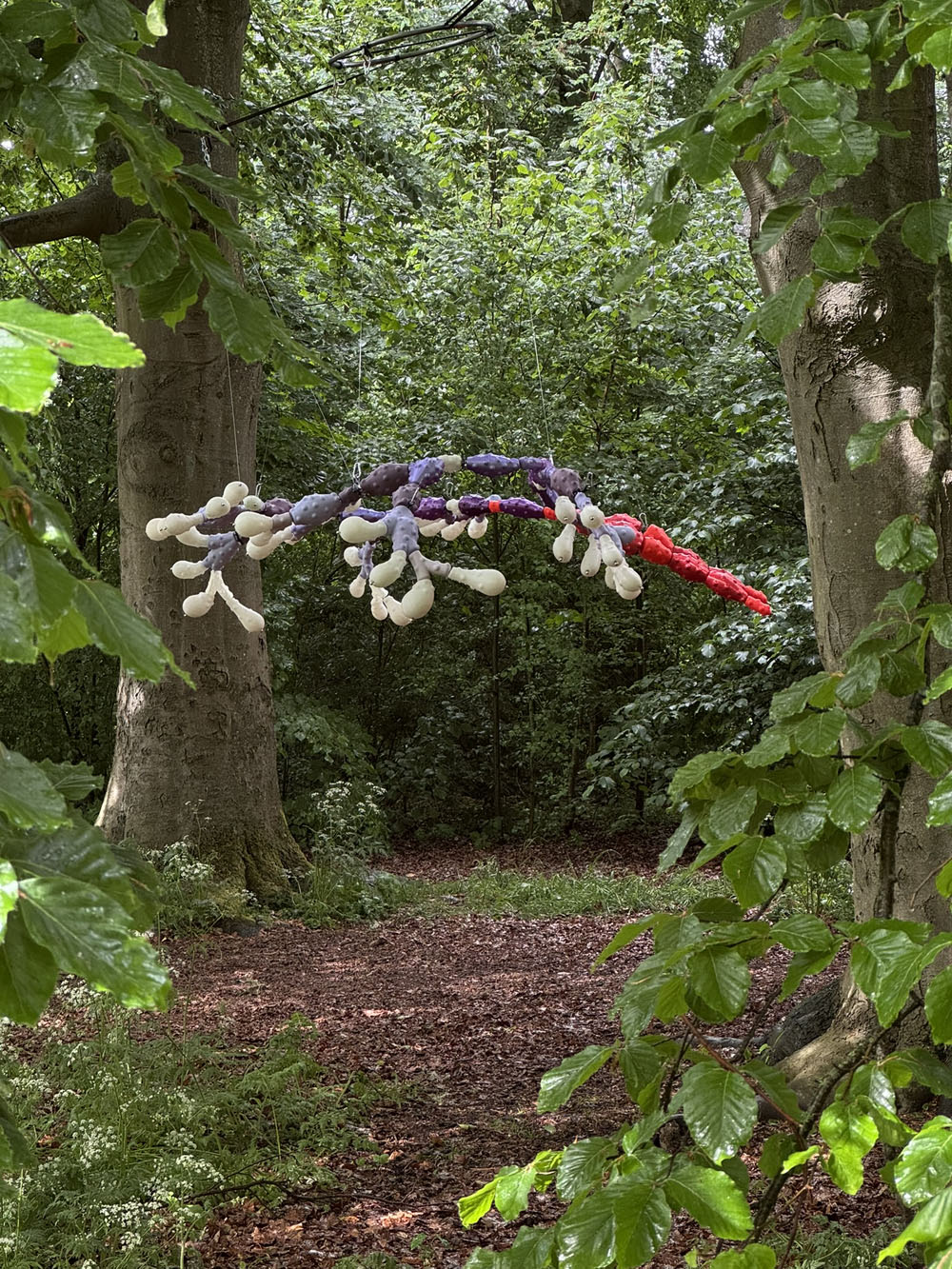
2025
Making Kin II
Sculpture
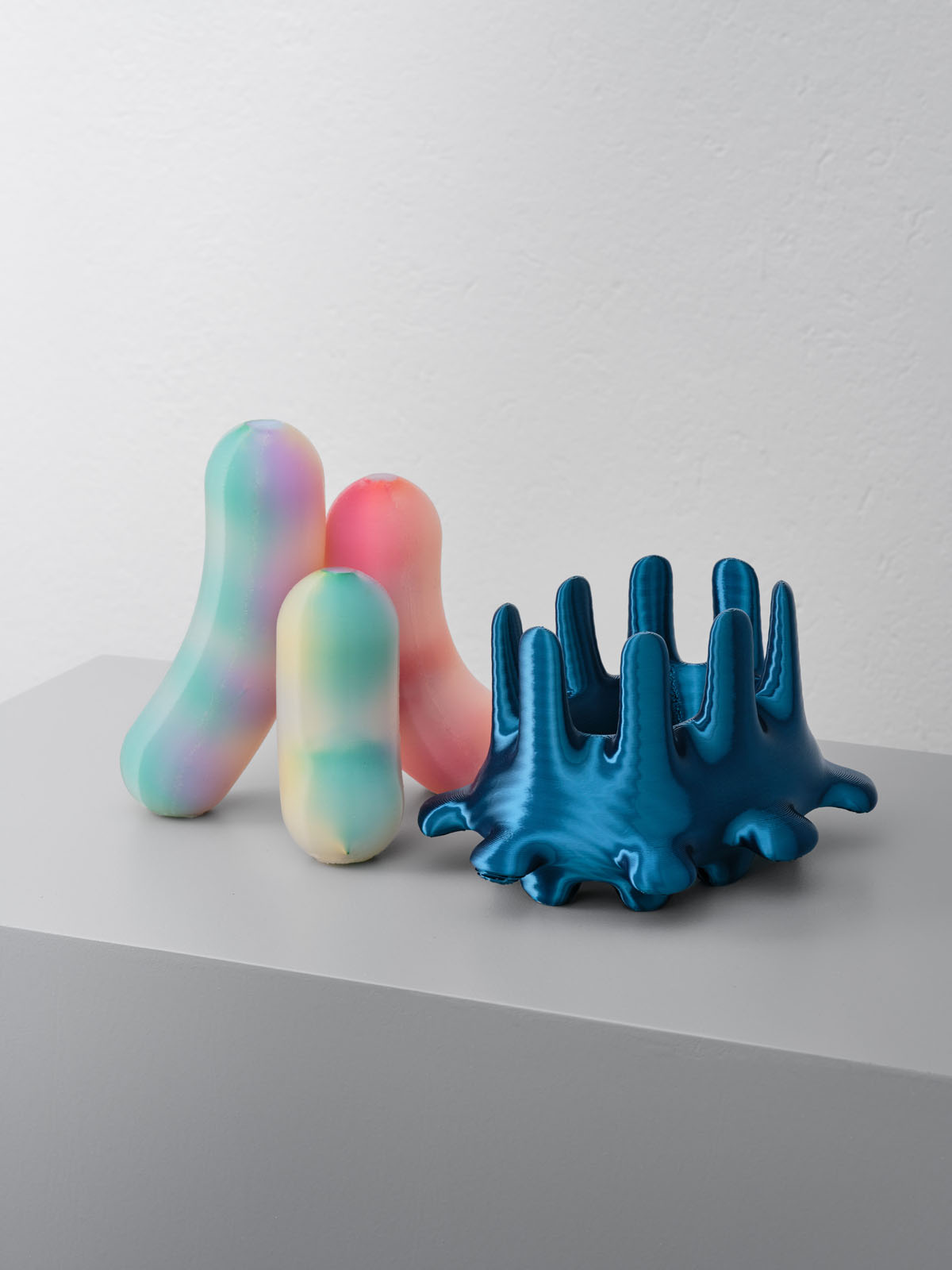
2024
Techno Mythologies
Solo Exhibition
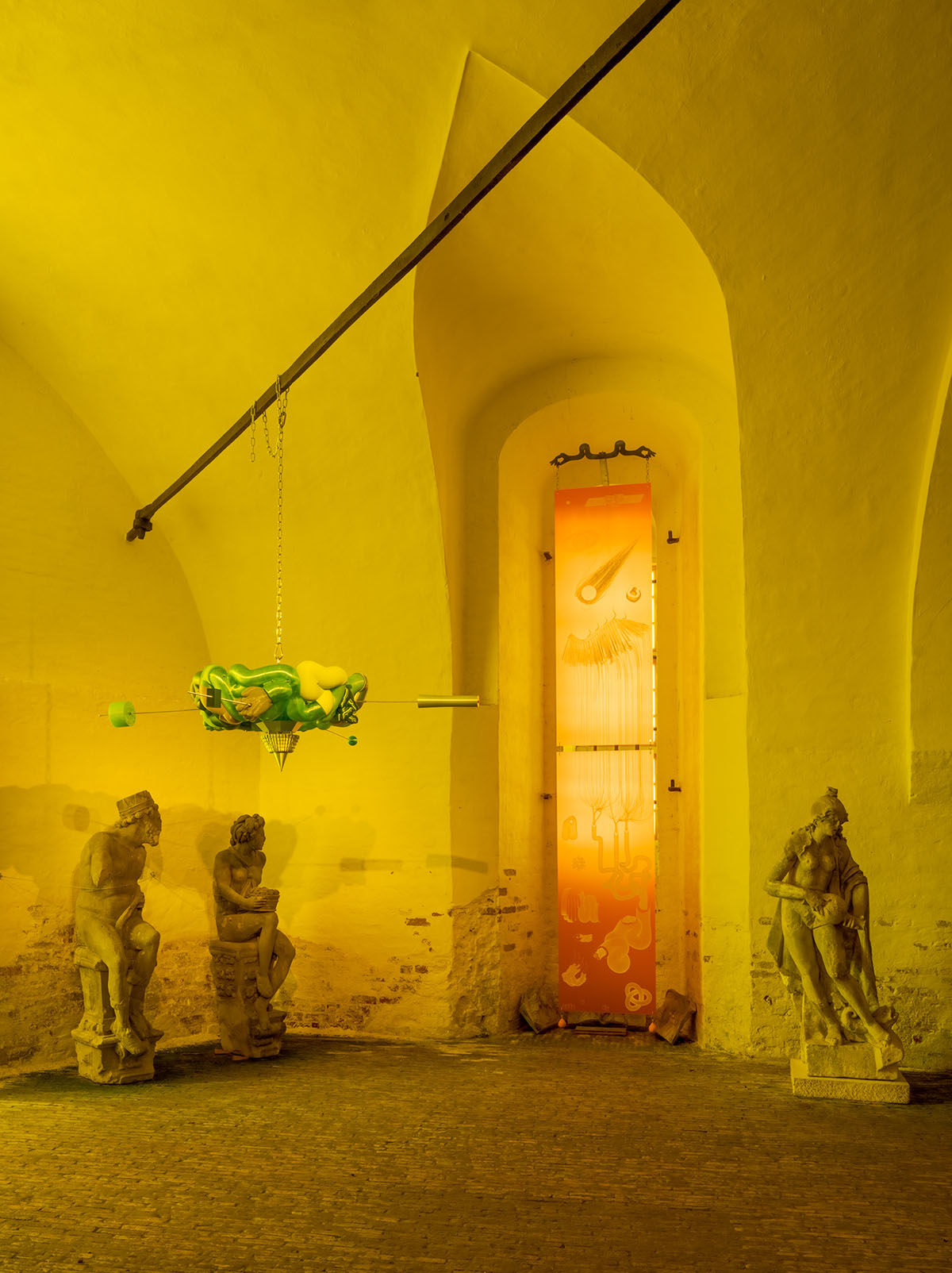
2024
Snake Oil
Sculpture

2024
VIKING
Sculpture

2024
Hand of the Many
Sculpture
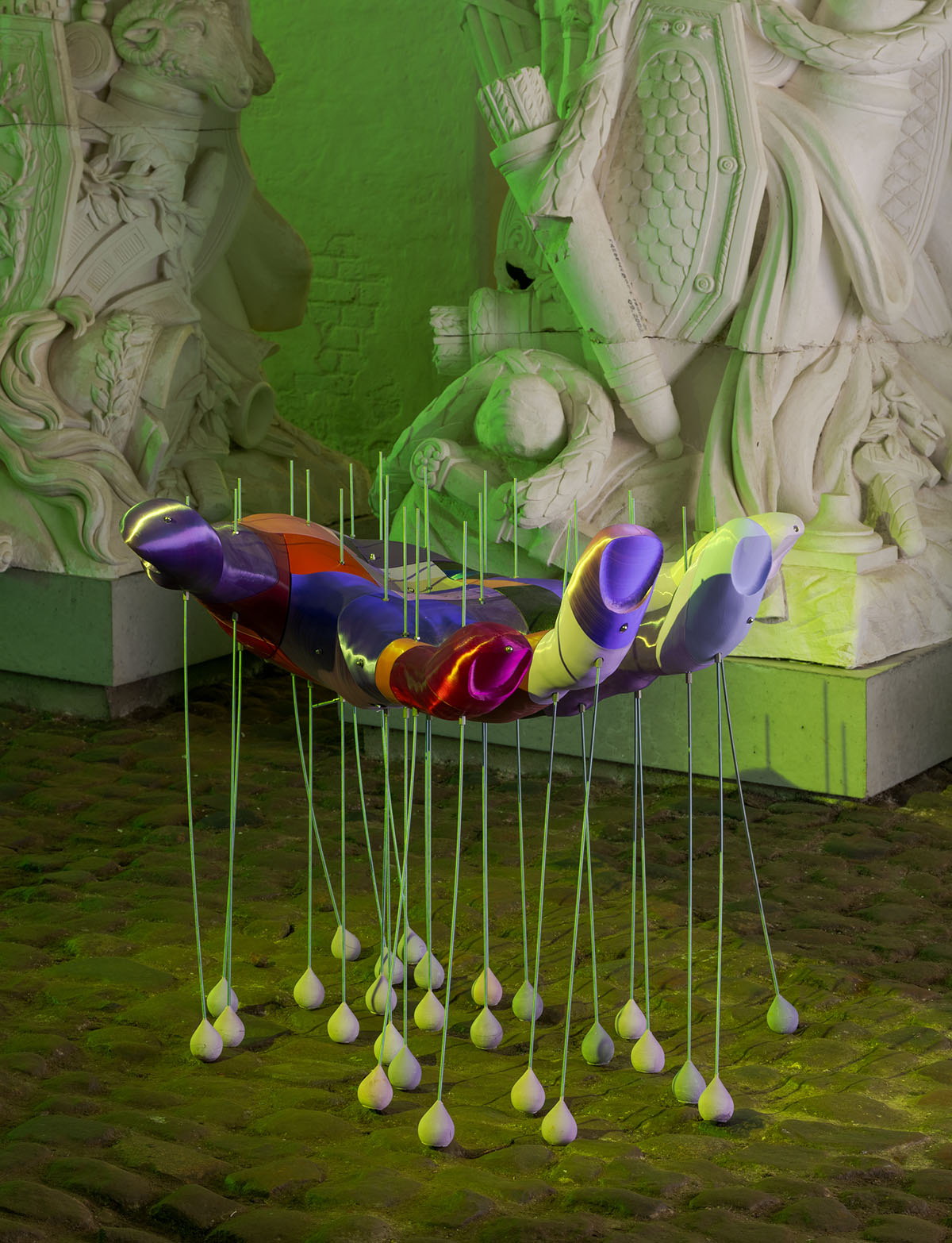
2024
Hand of Rebirth
Sculpture

2024
Trunks I-III
Sculpture
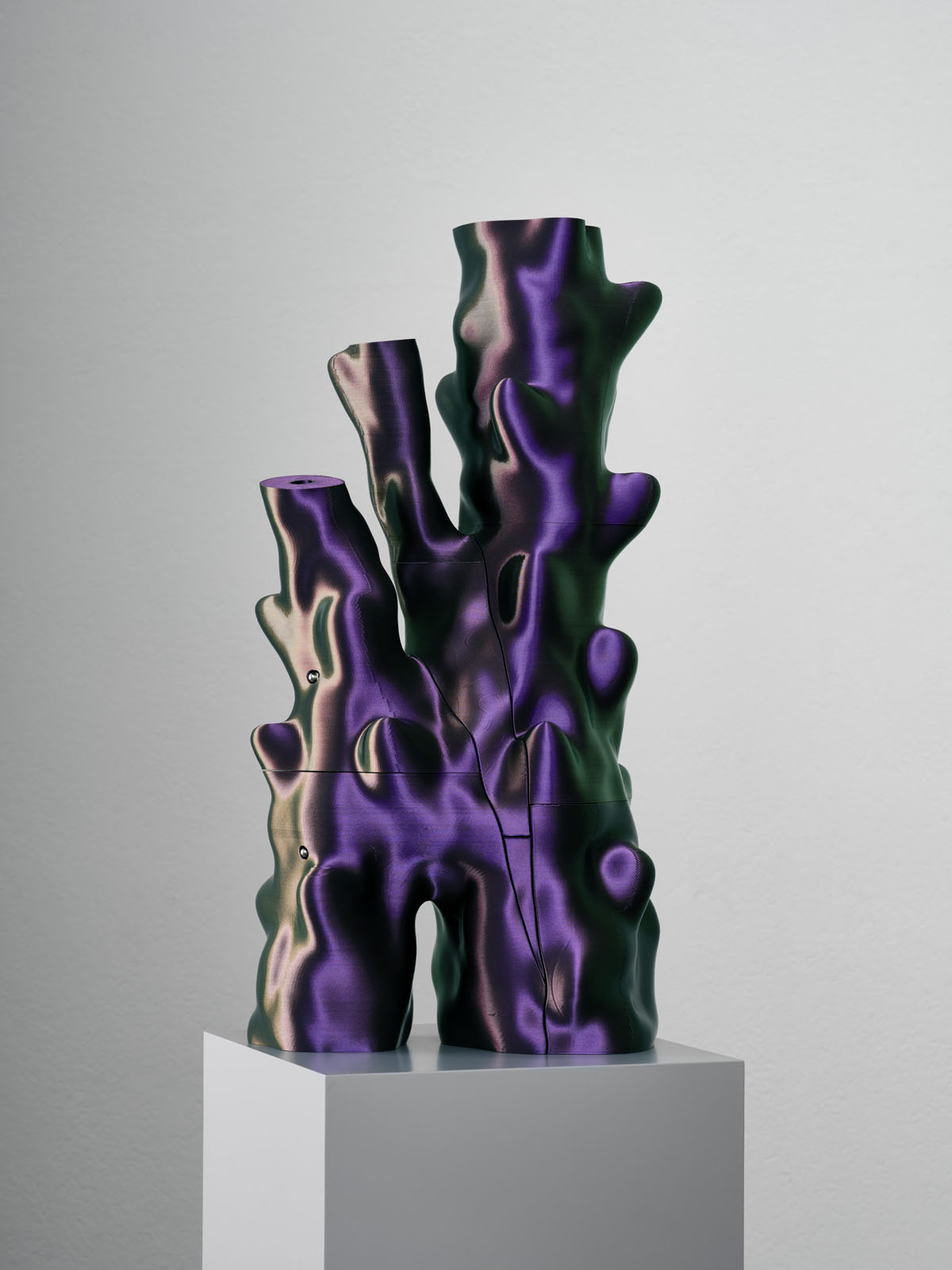
2024
Feeling Forward I
Relief
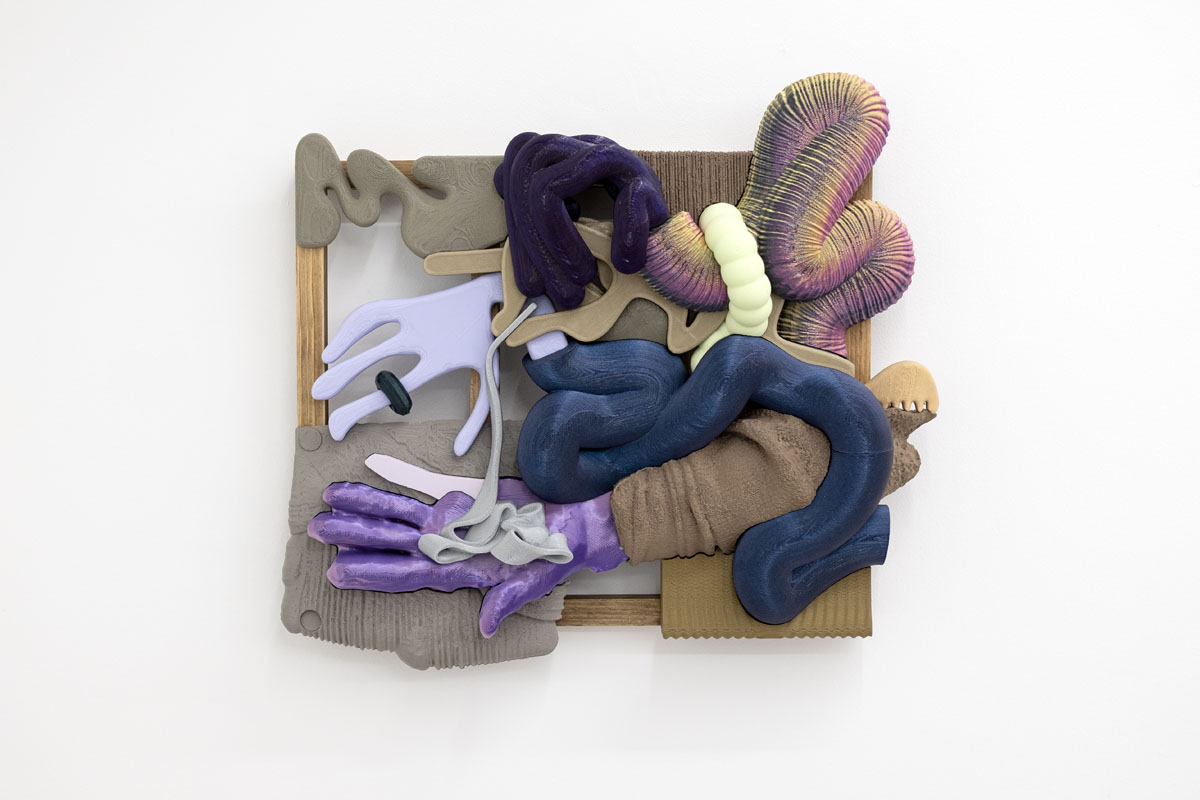
2024
Feeling Forward II
Glass Etch
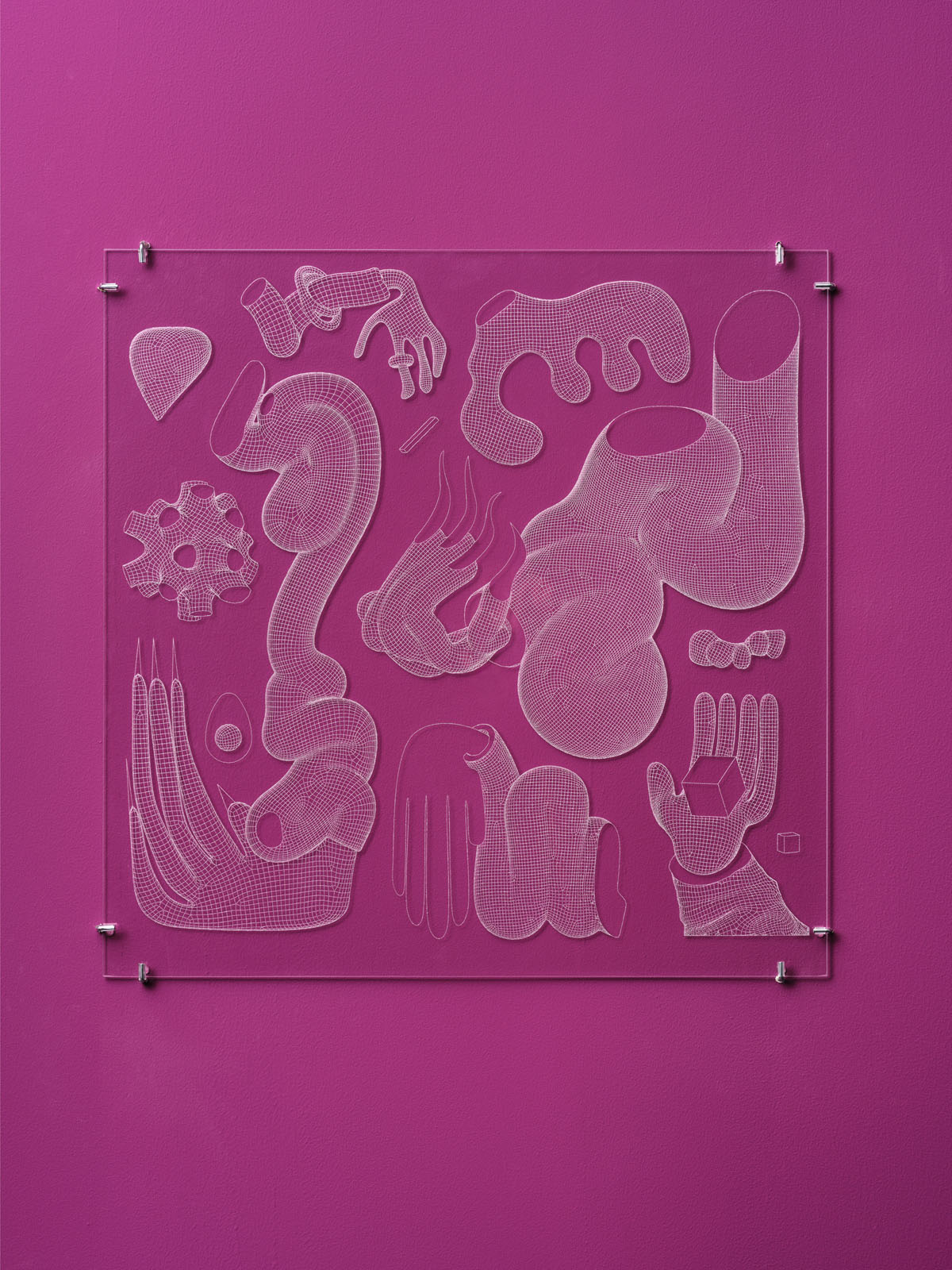
2024
Hand in Hand
Installation, Public Art
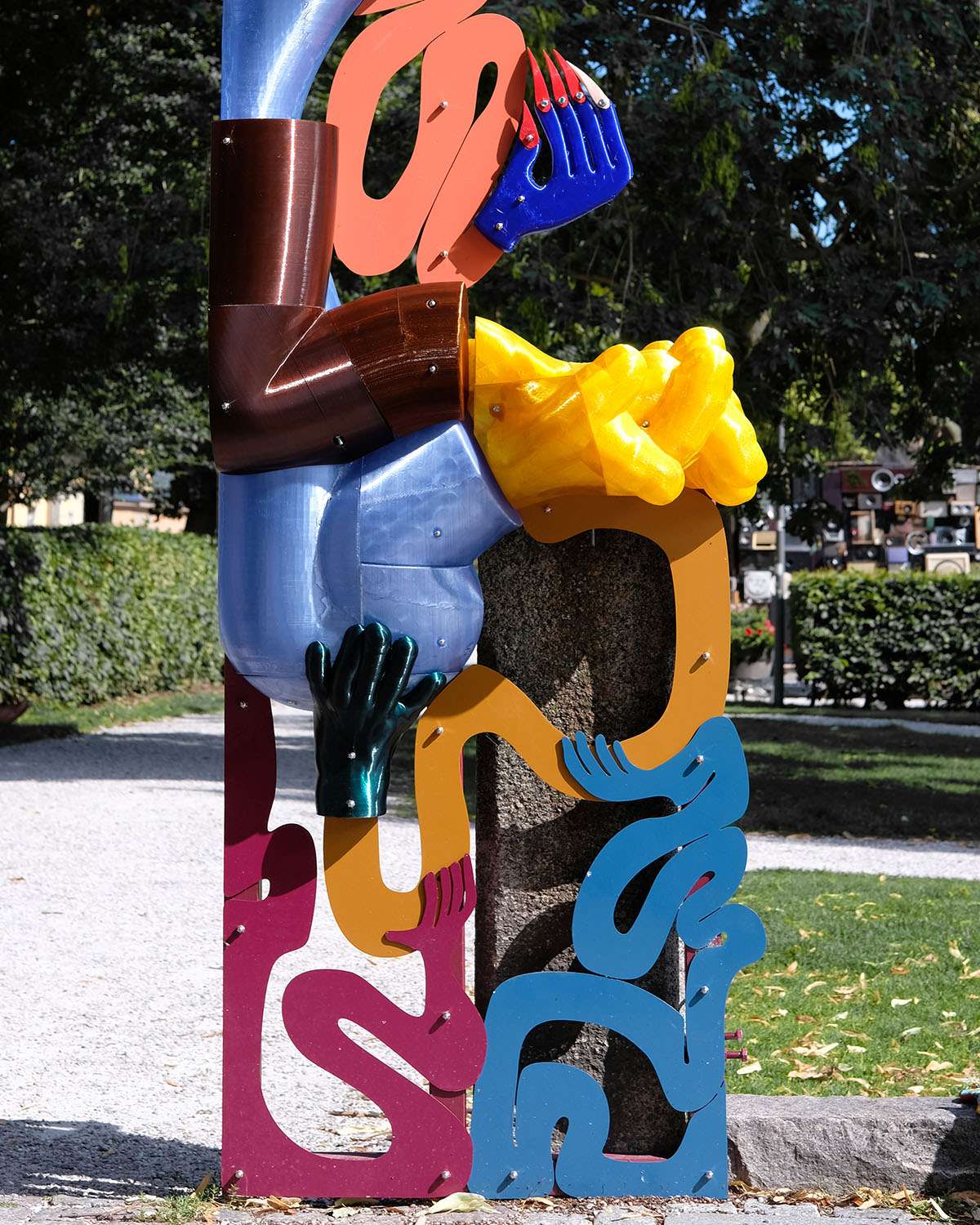
2023
The Liminal Eatery
Interactive Installation
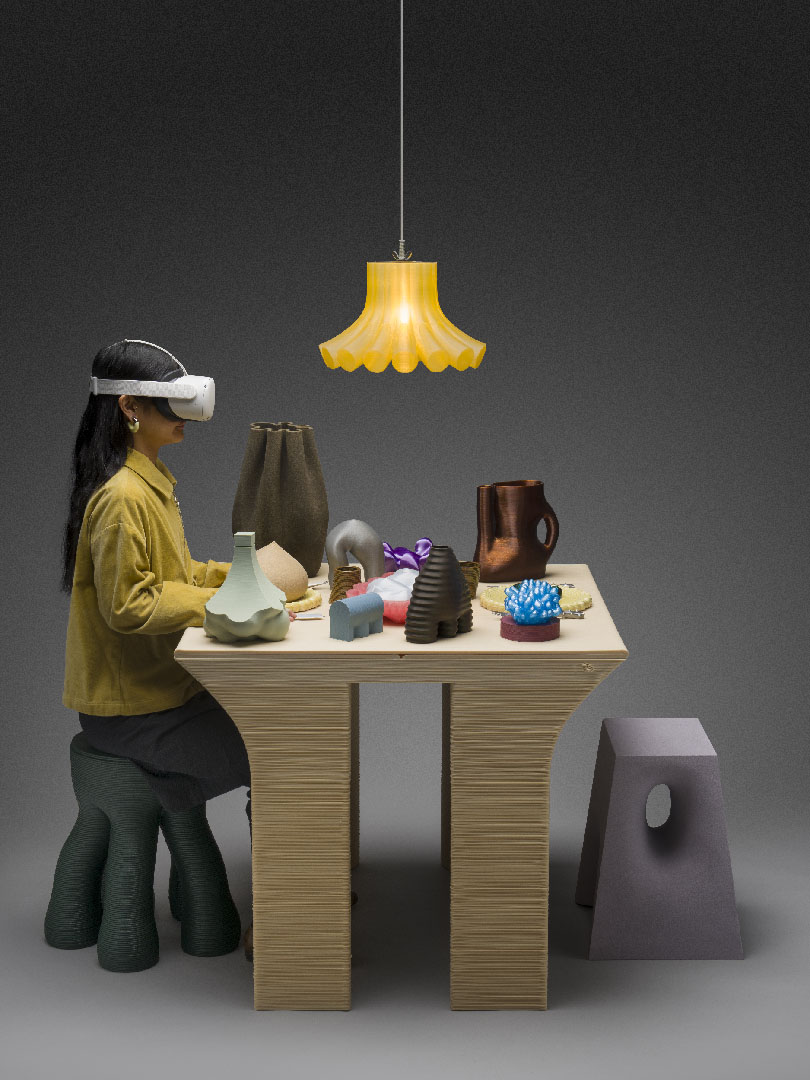
2023
Digital Indulgence
Sculpture
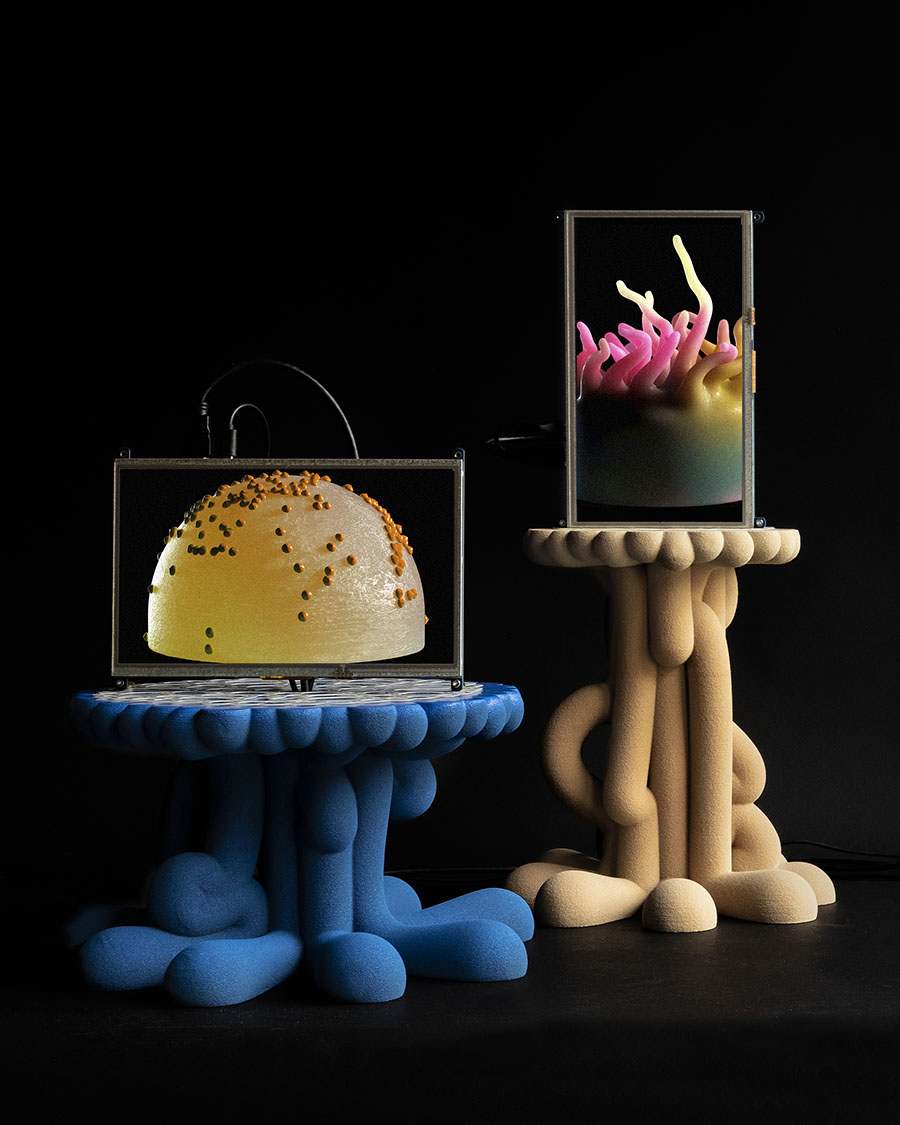
2023
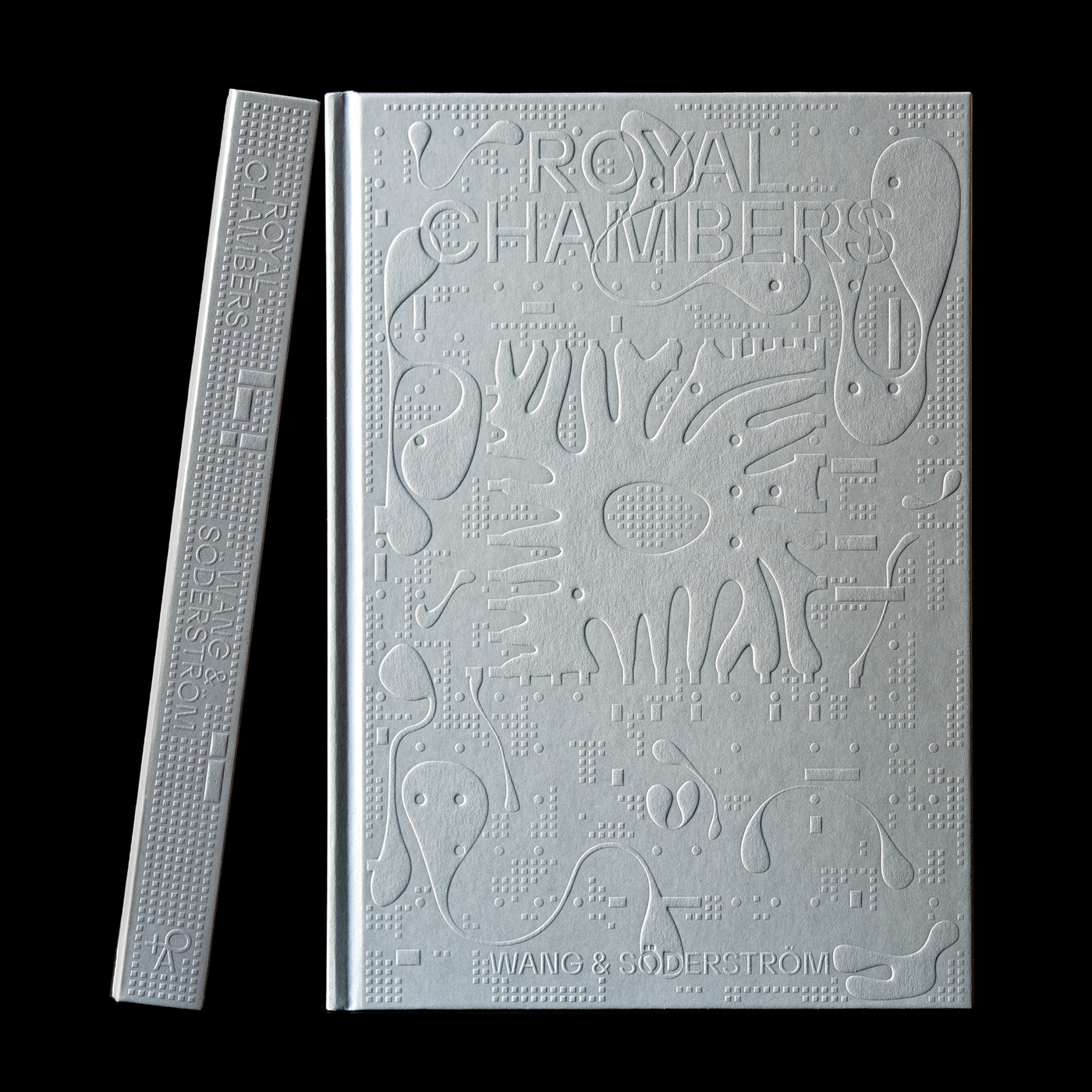
Royal Chambers - Book
Publication
2023
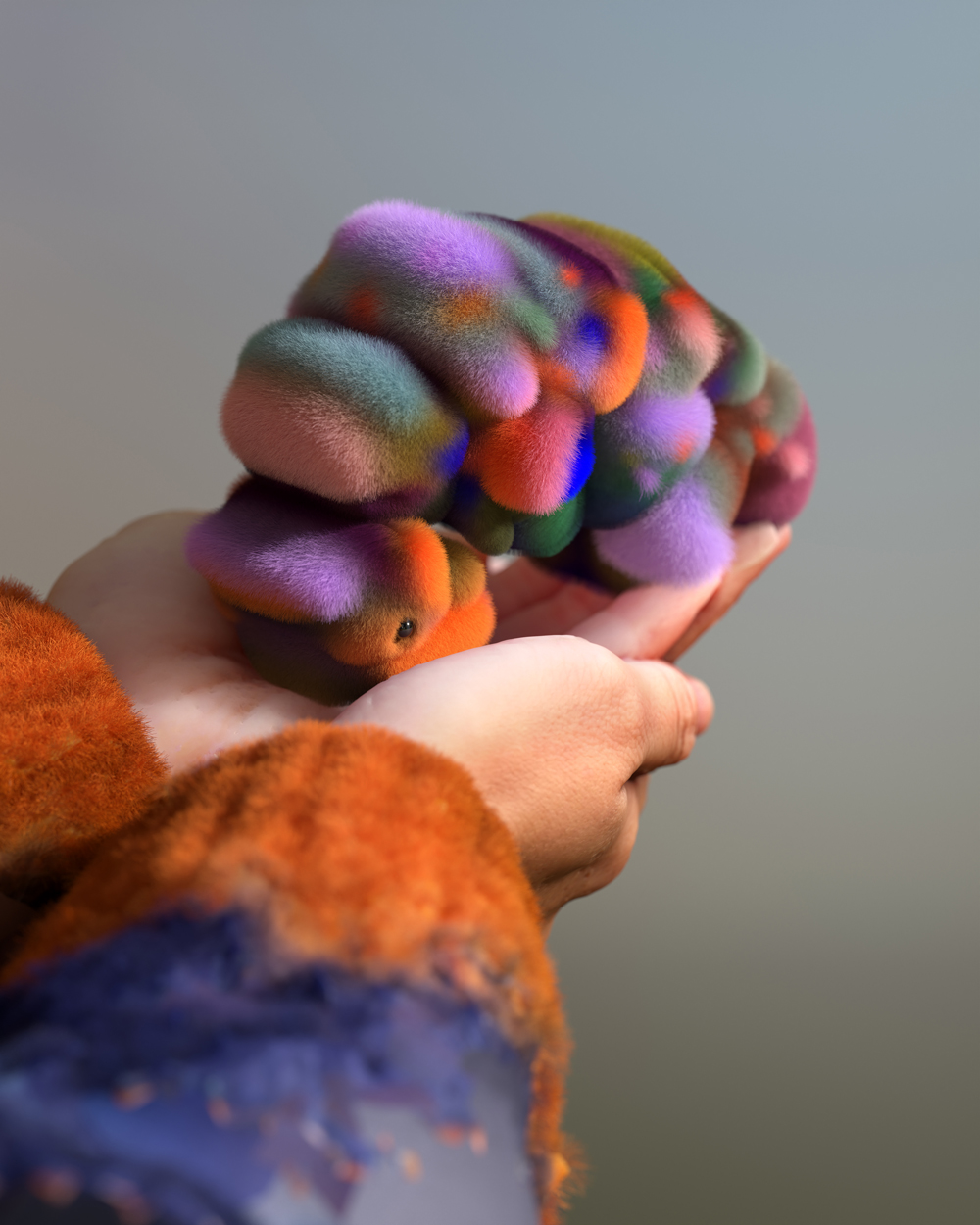
Handling
Digital Imagery
2023
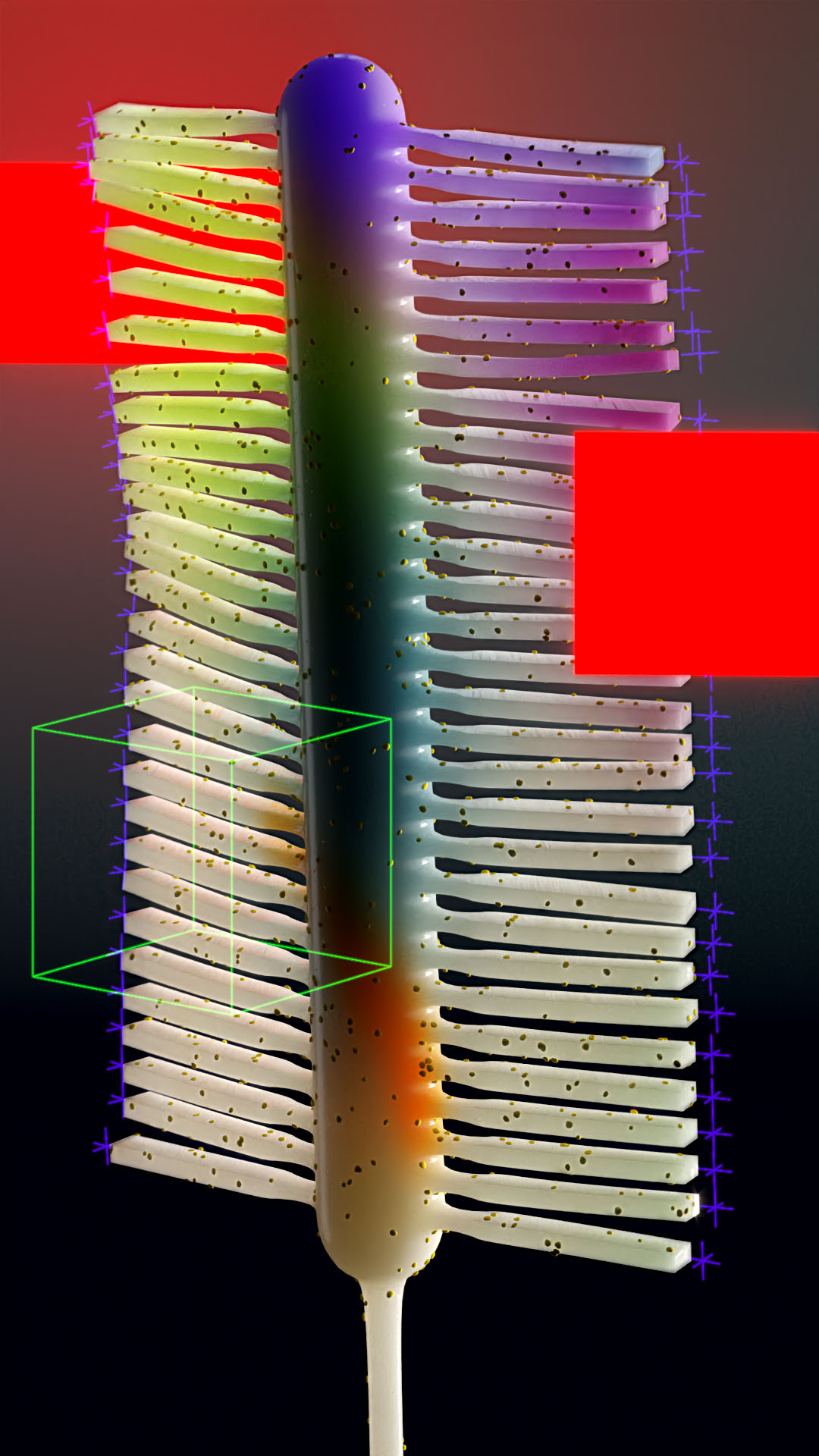
Synthetic Crops II
Digital Imagery
2022
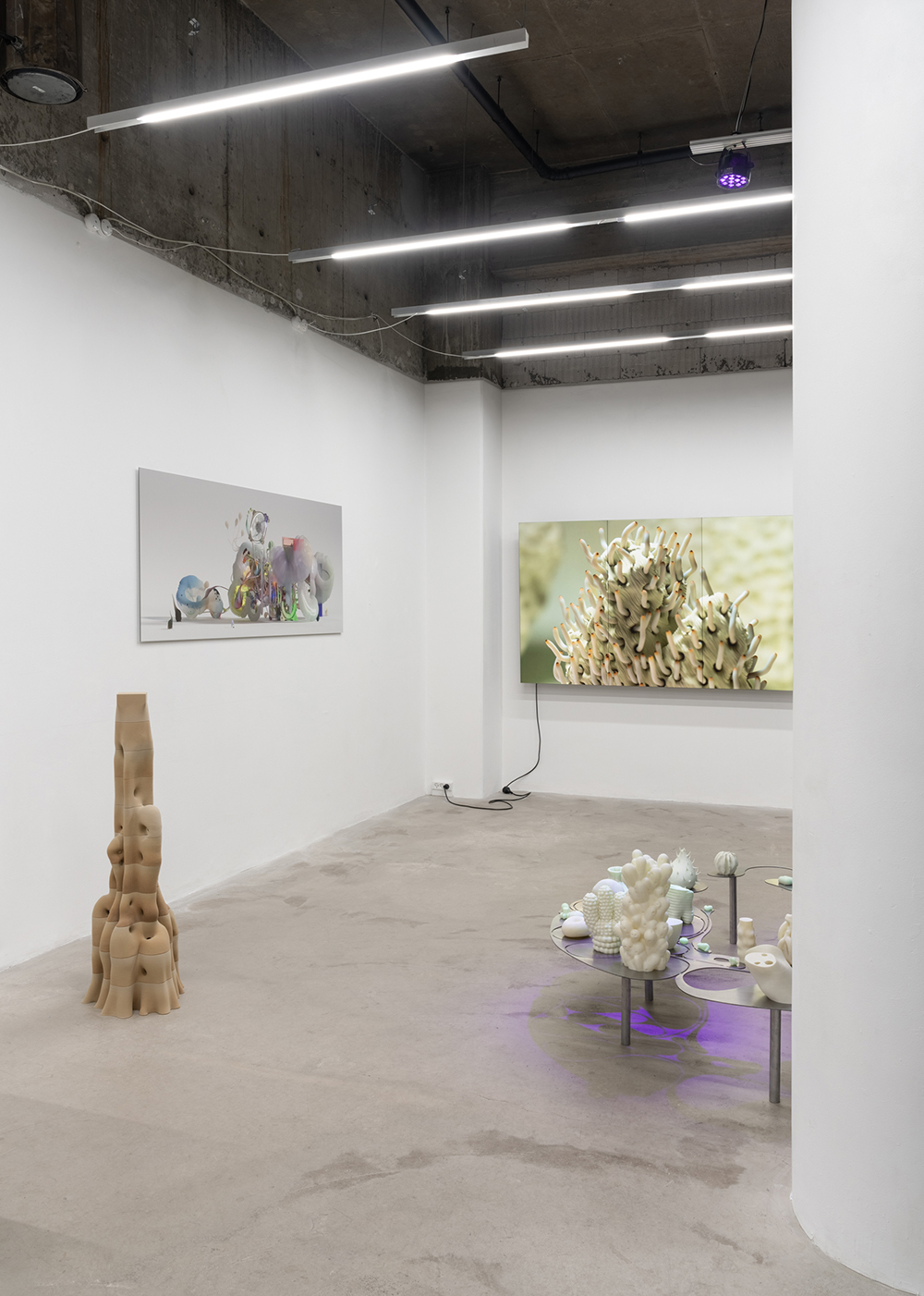
Royal Chambers
Solo Exhibition
2022
Wh331 0f 1!f3
Video Installation
2022
Rehousing Technosphere
Animation
2022
Between Earth and Cloud
Sculptural Installation
2022
Nest of You
Interactive Installation
2022
Abiogenesis
Digital Print
Show More ︎︎︎


© 2016 —
2026 Wang & Söderström

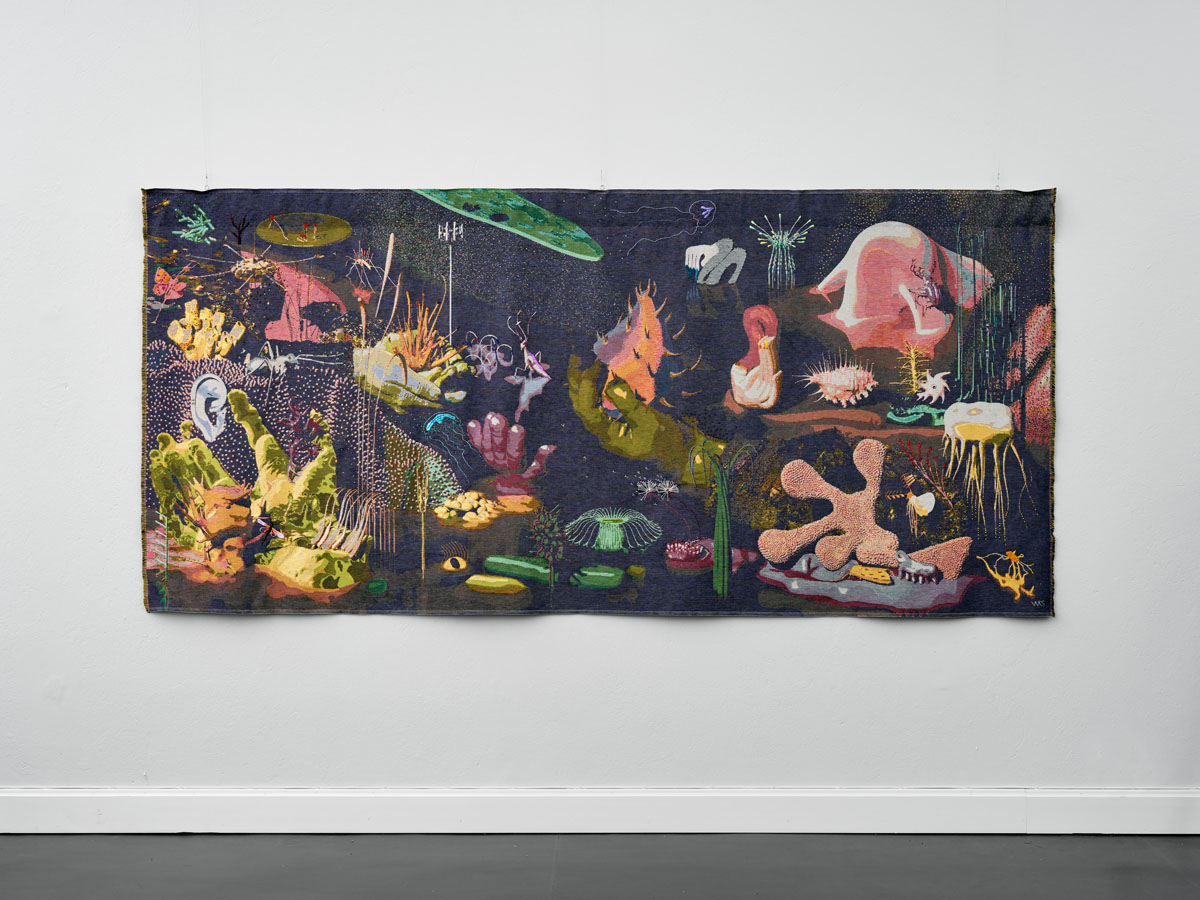
Känselspröt
Year: 2025
Jacquard Tapestry
Technique: Digital sculpting, photogrammetry, jacquard, hand embroidery
Material: Cotton
Photos by: Carl Ander + Wang & Söderström
Supported by The Danish Arts Foundation. Acquired to Röhsska Museums permanent collection.
Jacquard Tapestry
Technique: Digital sculpting, photogrammetry, jacquard, hand embroidery
Material: Cotton
Photos by: Carl Ander + Wang & Söderström
Supported by The Danish Arts Foundation. Acquired to Röhsska Museums permanent collection.
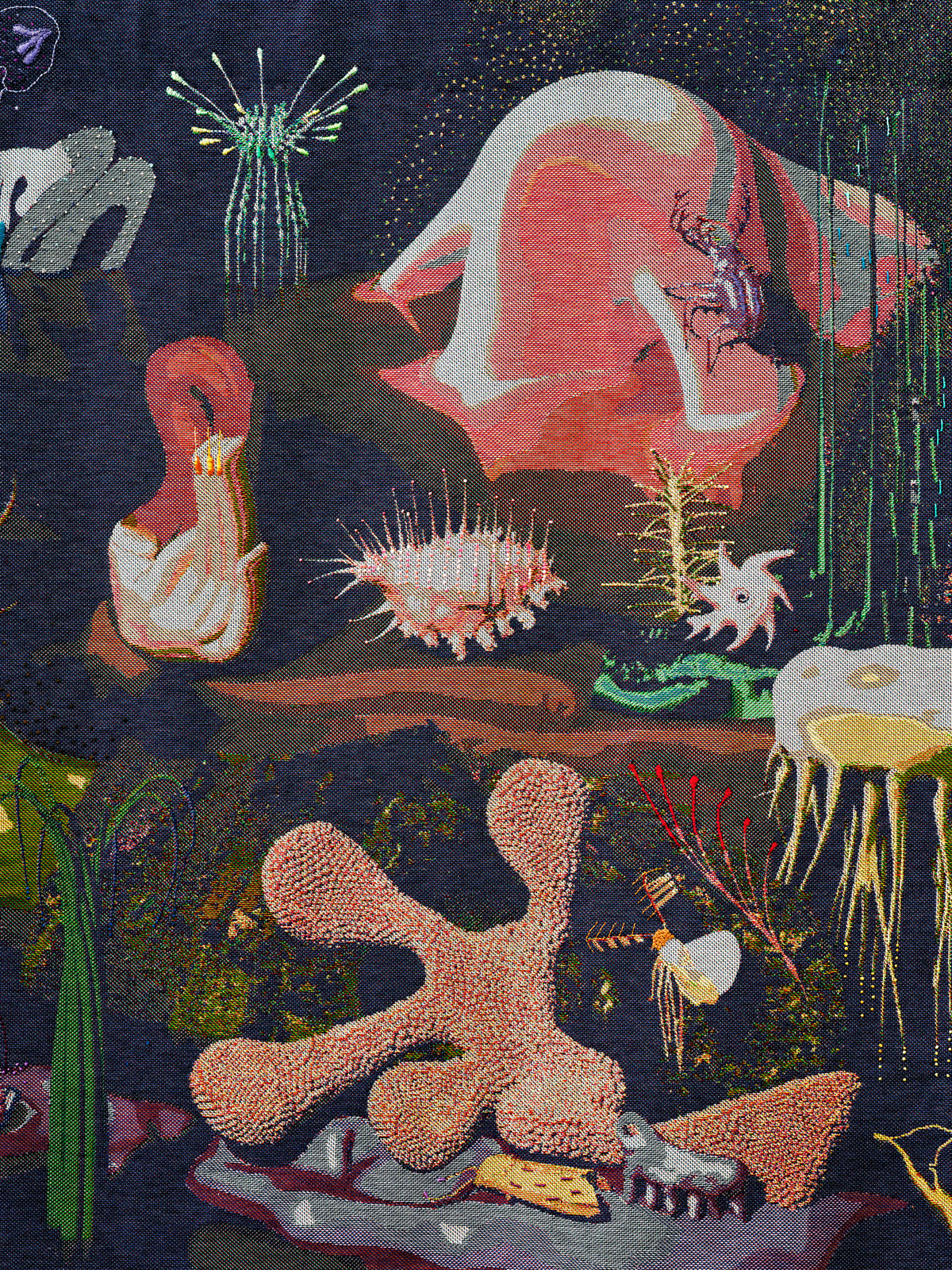
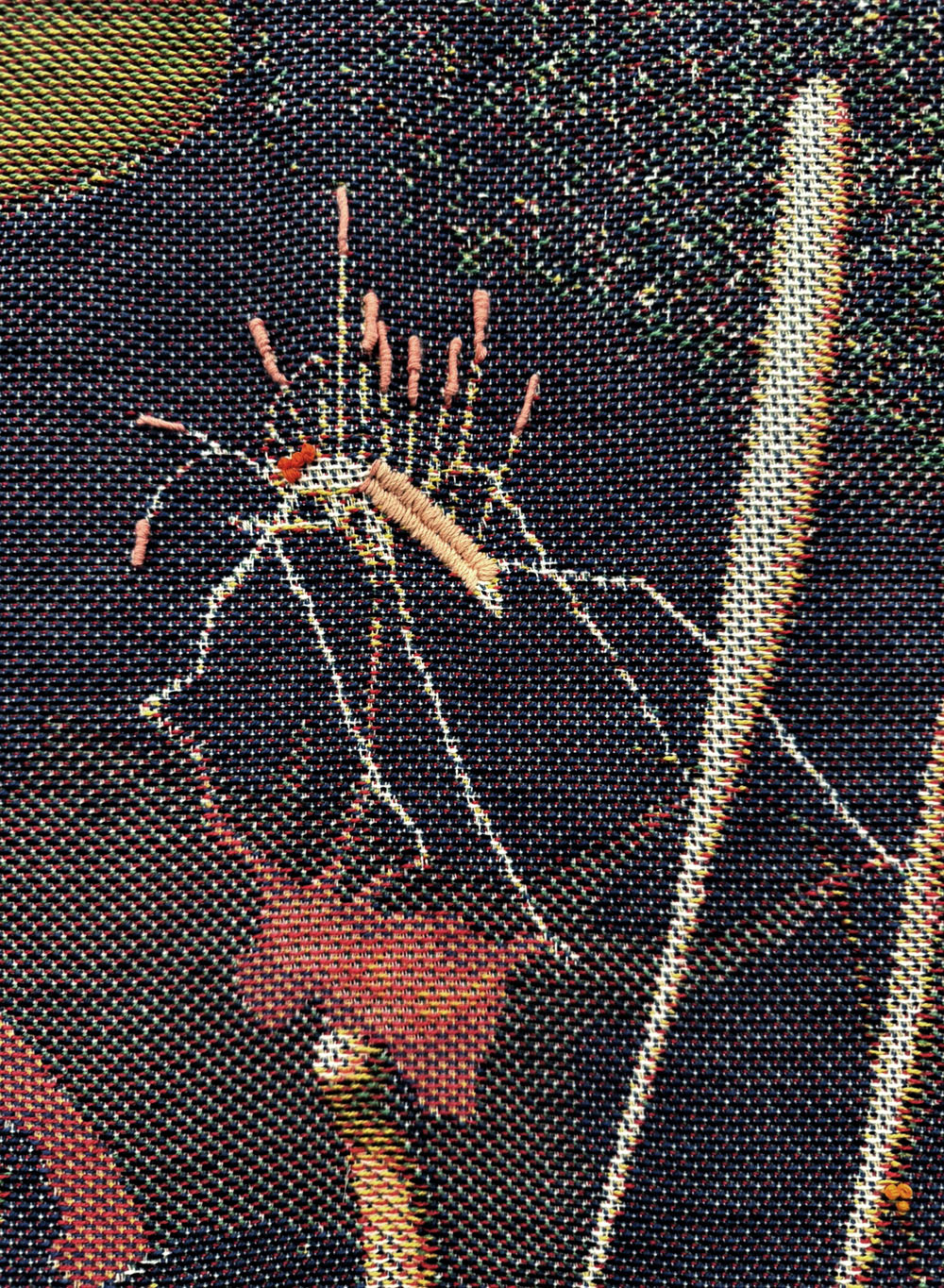
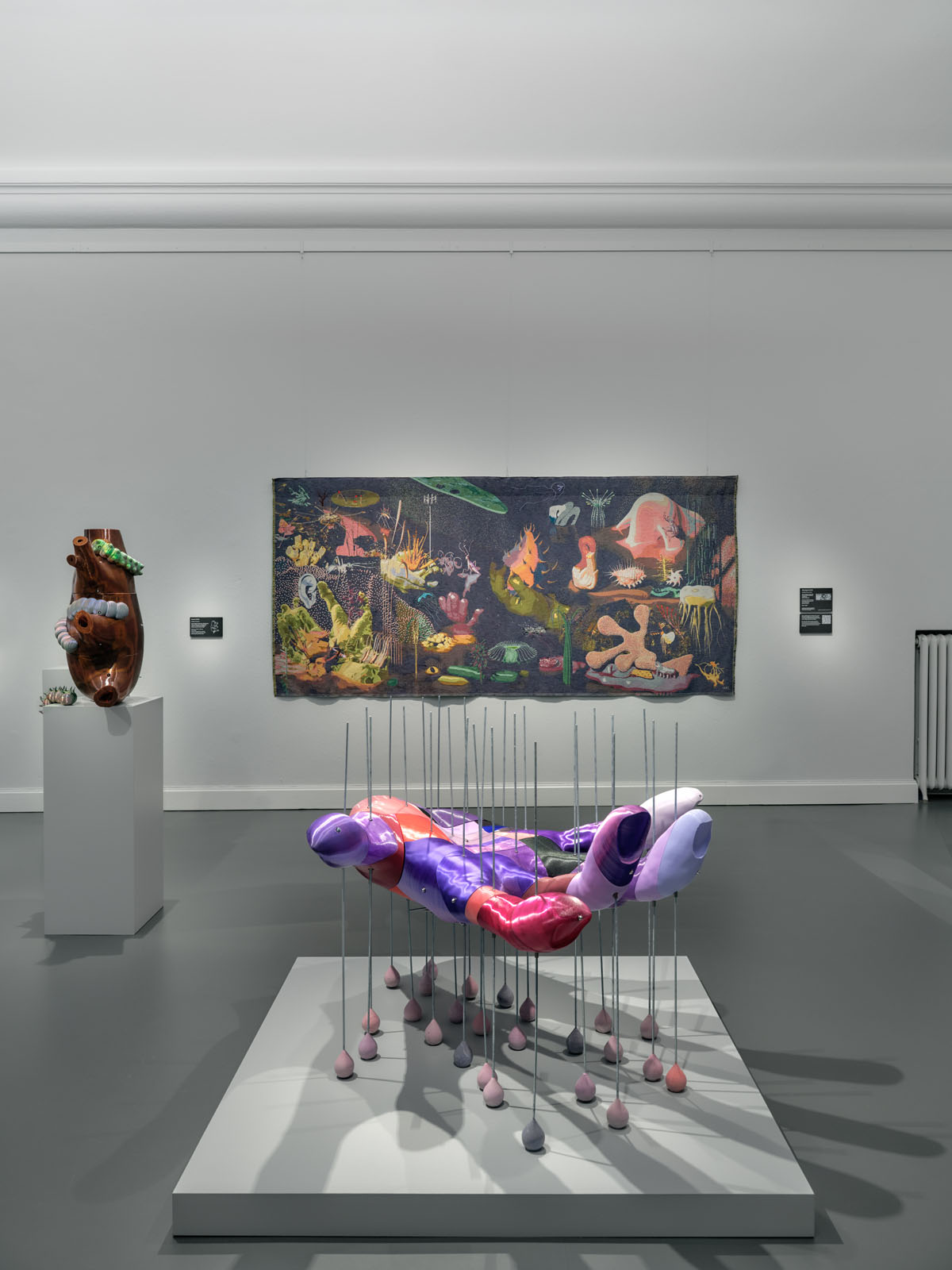
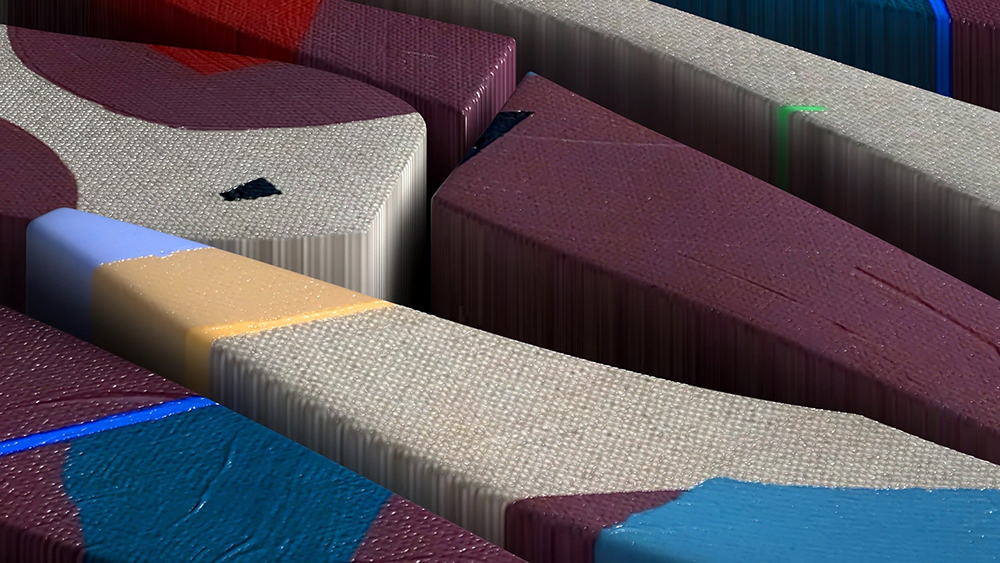
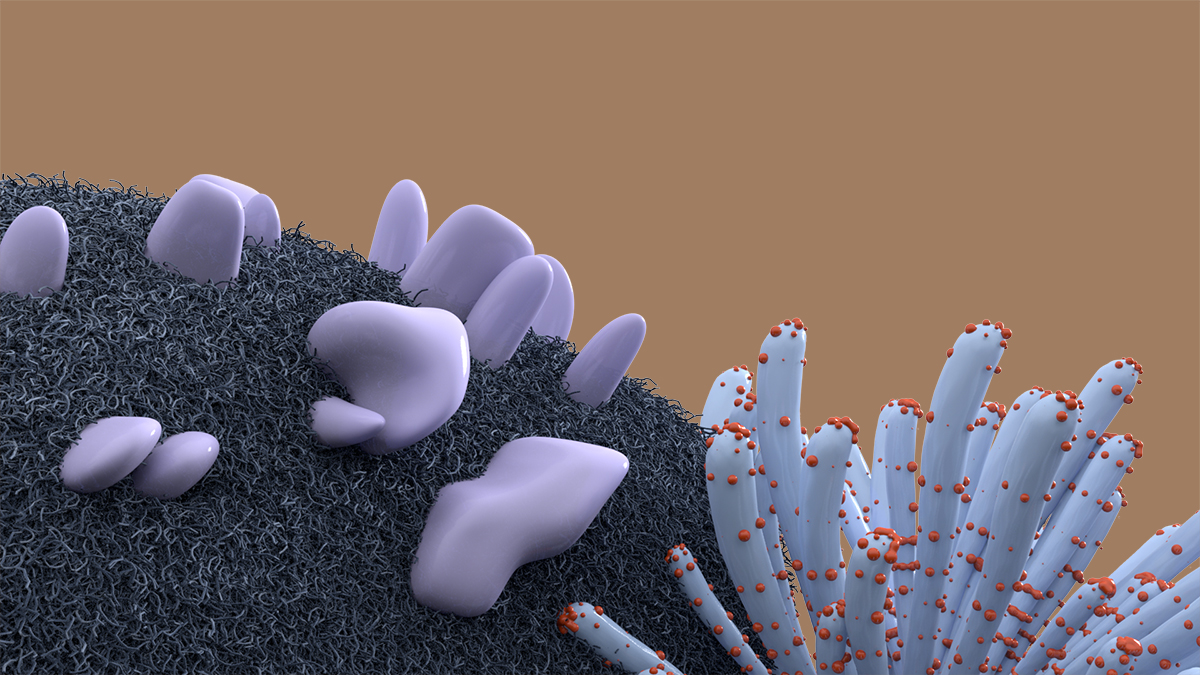
The Jacquard tapestry Känselspröt (Feelers) depicts an imaginary landscape filled with the sensory organs of various species, as well as satellite and radio antennas. The Jacquard loom was invented in 1805 and is a textile precursor to contemporary computers due to its use of punch cards. Inspired by the Baroque Chamber at the Röhsska Museum, Wang & Söderström have, for the first time produced a textile work with hand-embroidered details. The contrasting and romanticised landscapes of the Baroque era were the key inspiration for the tapestry’s dramatic motif. With lush greenery and mythological animals, the woven Verdure tapestry of the 17th century served as a model for Känselspröt. The fascination with the wonders of nature in the 17th century led to the great interest in botany in the 18th century. The naturalist Carl Linnaeus’ work “Systema Naturae” was published in 1735 and categorised nature into three kingdoms: minerals, animals and plants. Wang & Söderström challenge this system by designing a digital motif in which the boundaries between living beings and technology dissolve.