Wang & Söderström is an artist and design duo investigating the intersections between technology, ecology, and human perception in a changing world.
2025
27 Antennae
Installation, Public Art
2025
Superorganism
Installation, Public Art

2025
Sharp Feelers – Soft Antennas
Solo Exhibition
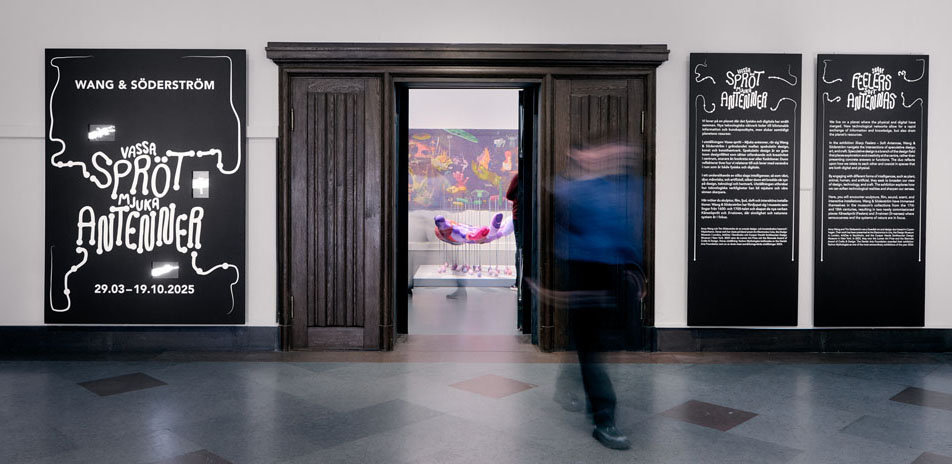
2025
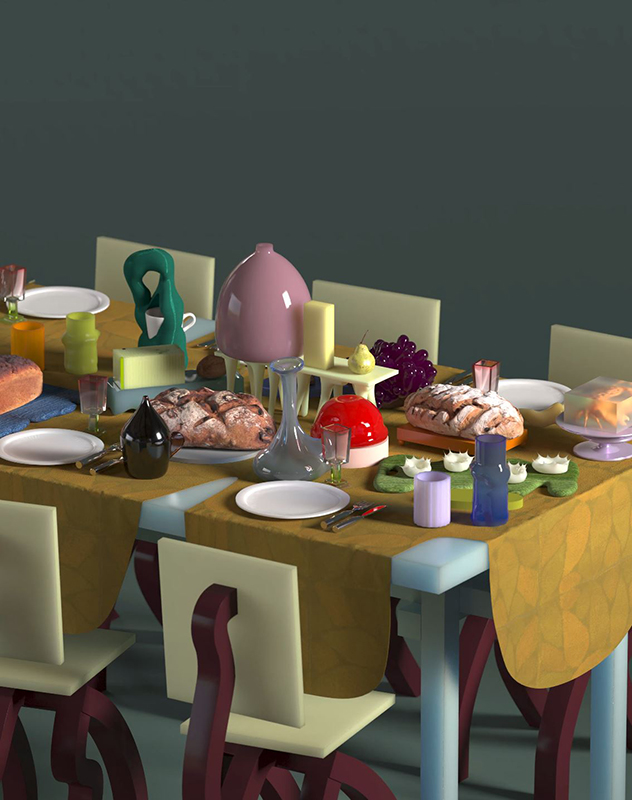
The Liminal Eatery II
Interactive installation
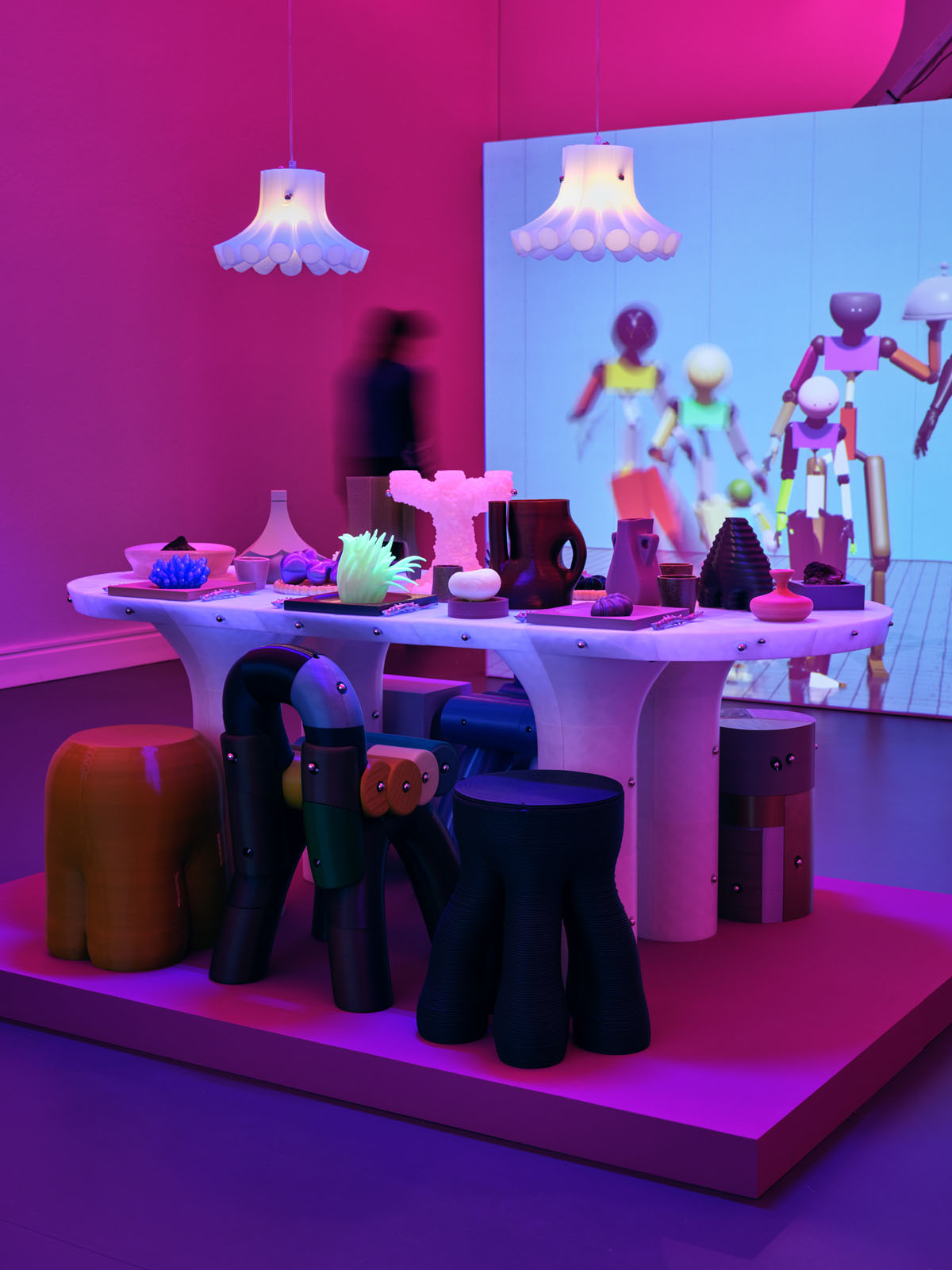
2025
Känselspröt (Feelers)
Tapestry

2025
5+sinnen (5+senses)
Folding Screen

2025
Sense Machine
Installation, Public Art
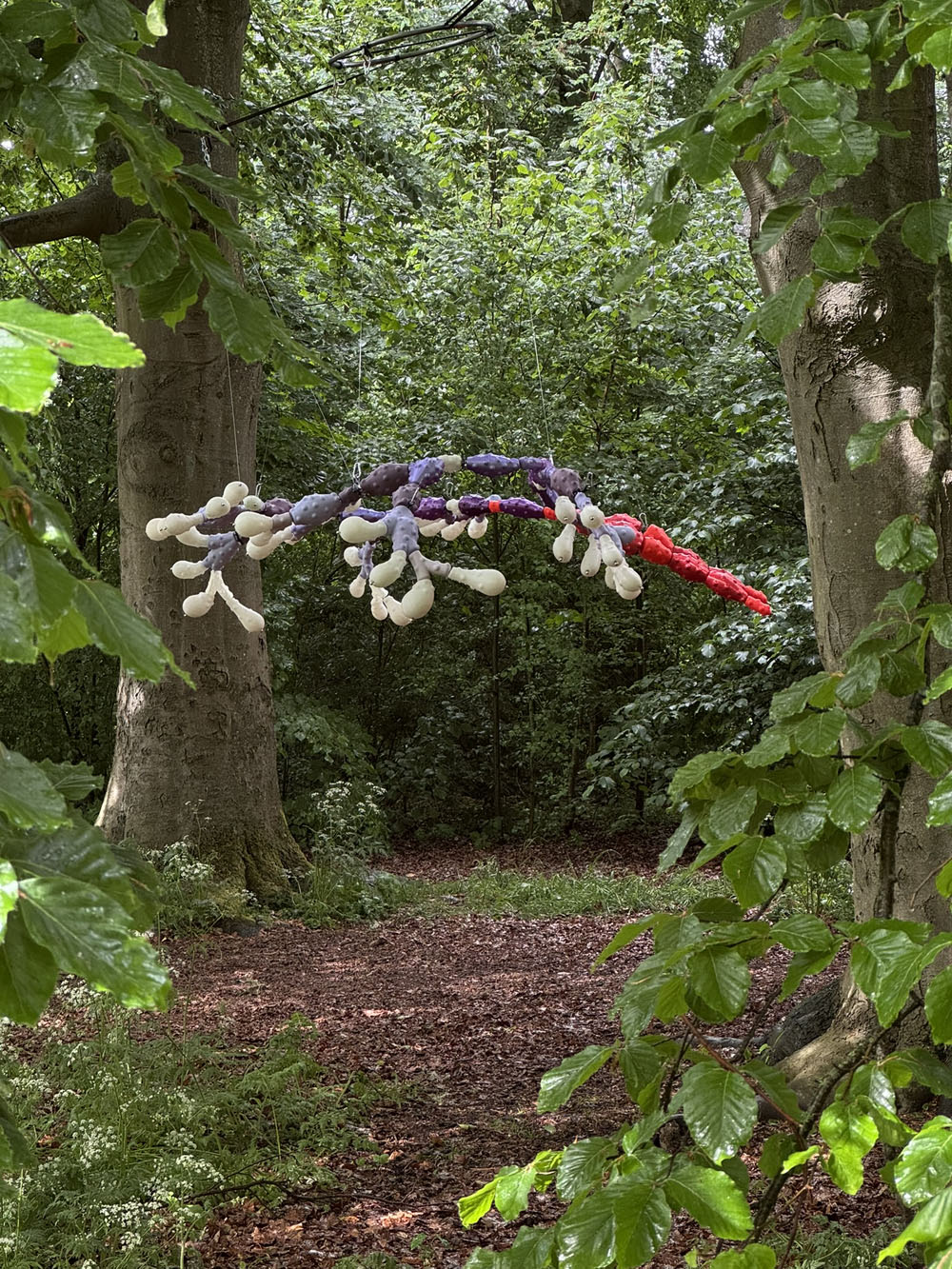
2025
Making Kin II
Sculpture
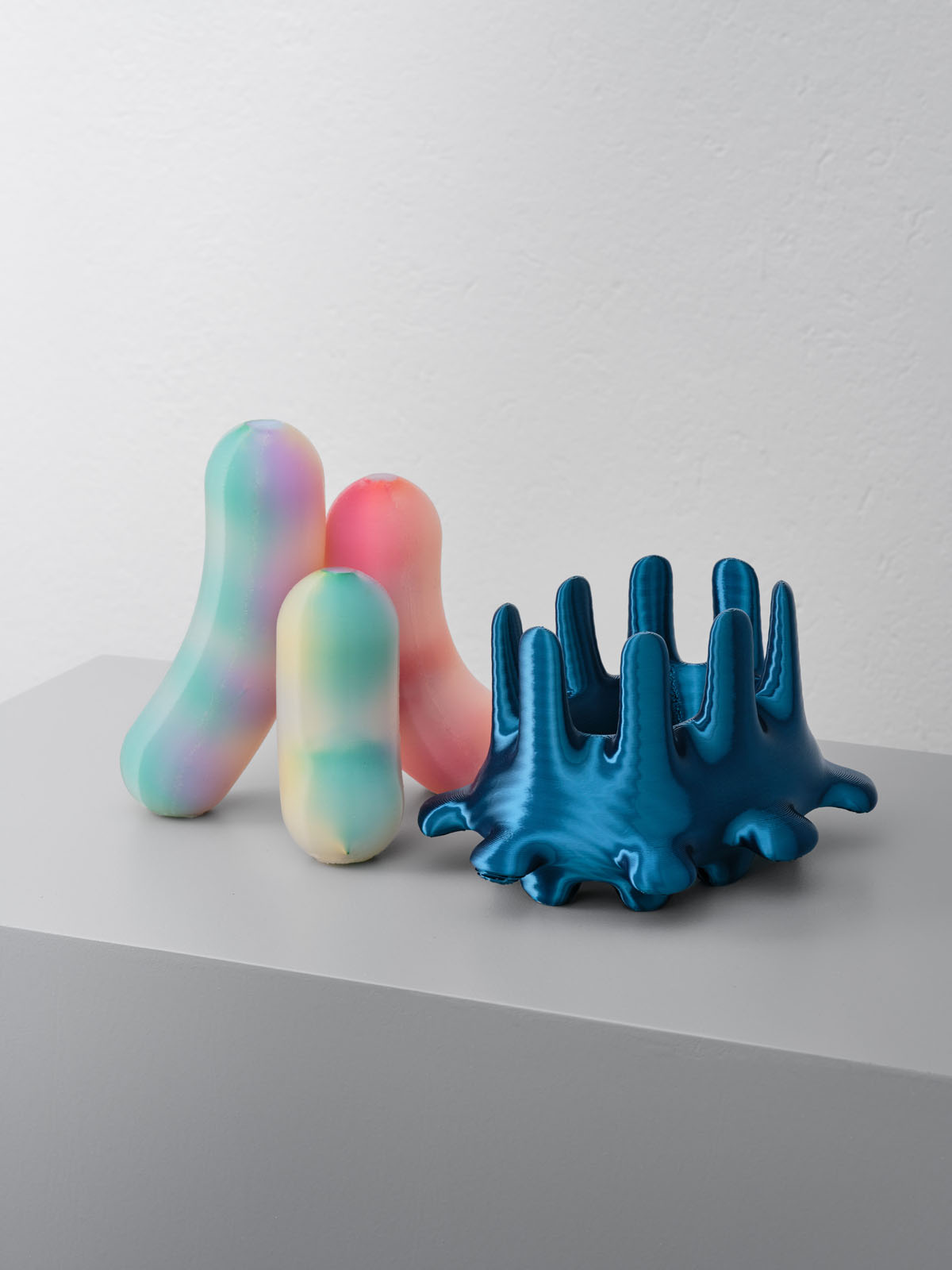
2024
Techno Mythologies
Solo Exhibition
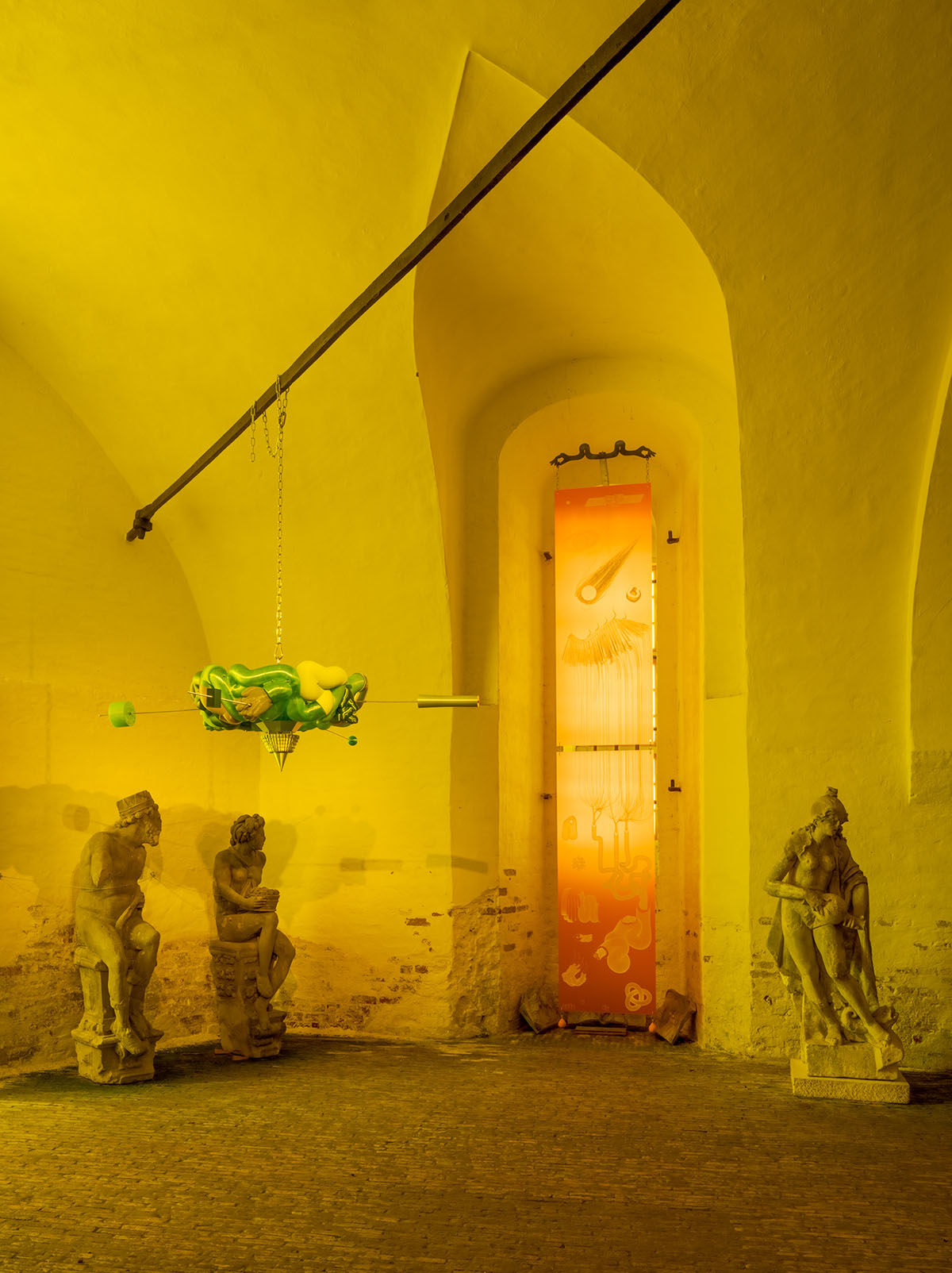
2024
Snake Oil
Sculpture

2024
VIKING
Sculpture

2024
Hand of the Many
Sculpture
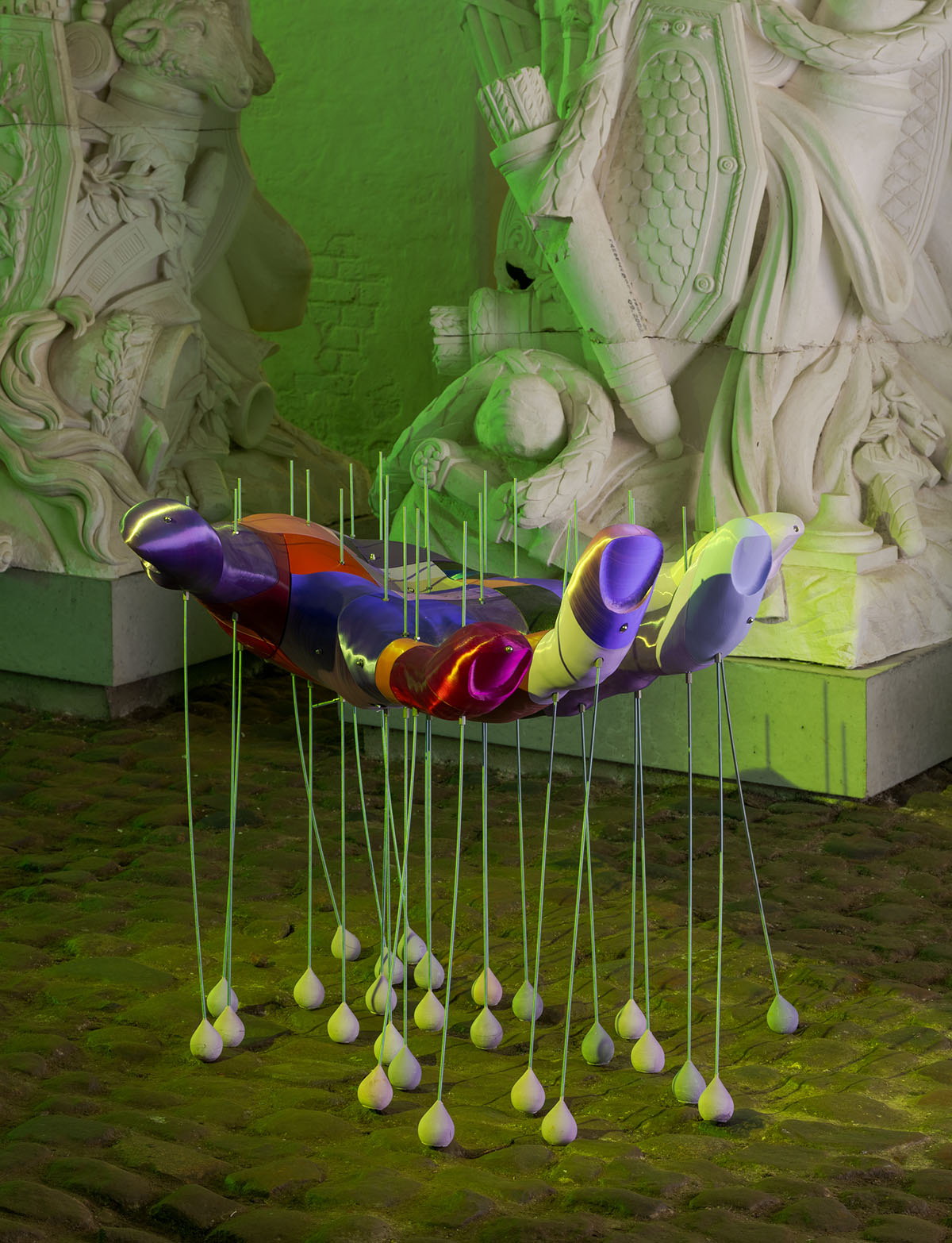
2024
Hand of Rebirth
Sculpture

2024
Trunks I-III
Sculpture
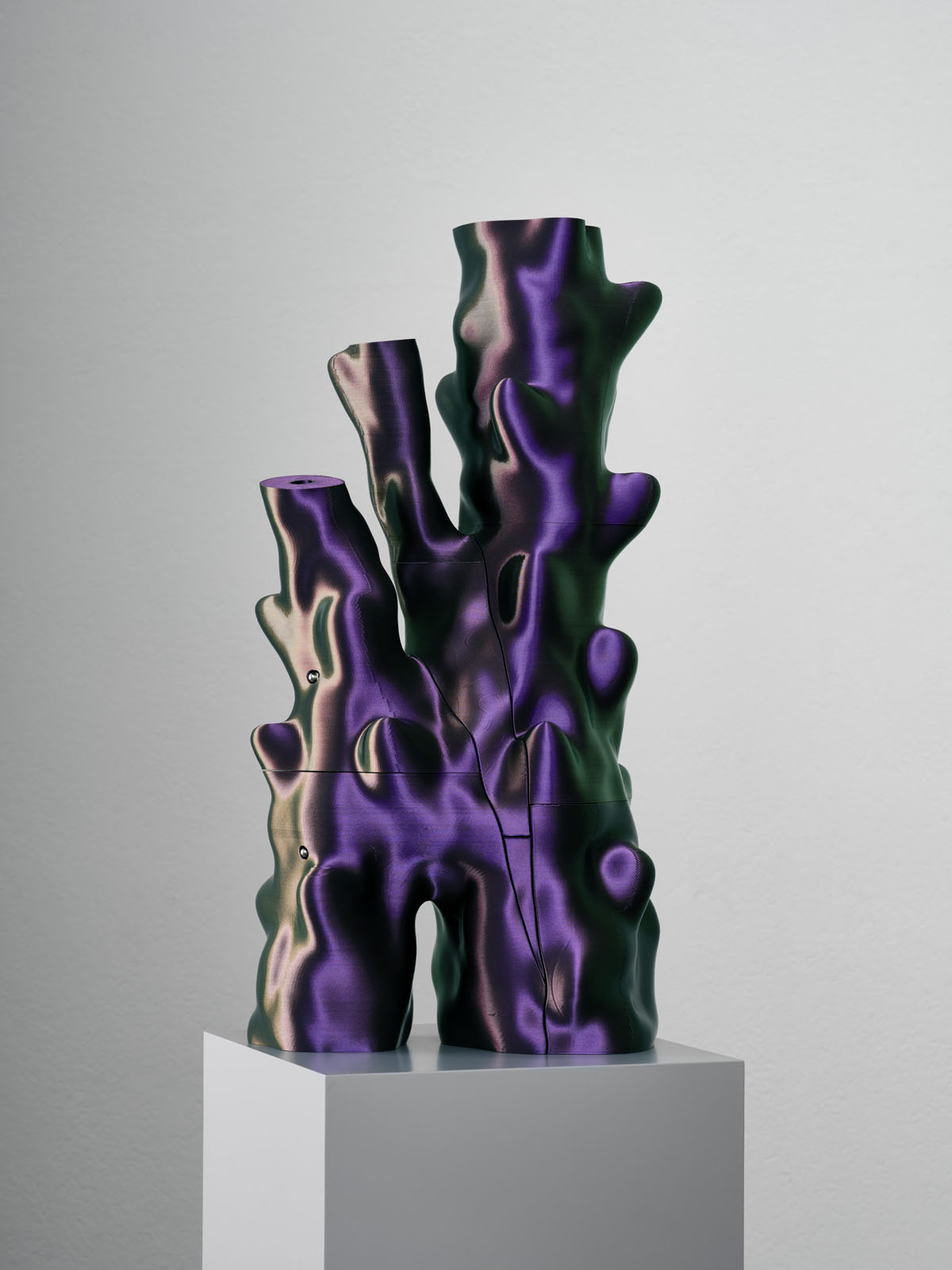
2024
Feeling Forward I
Relief
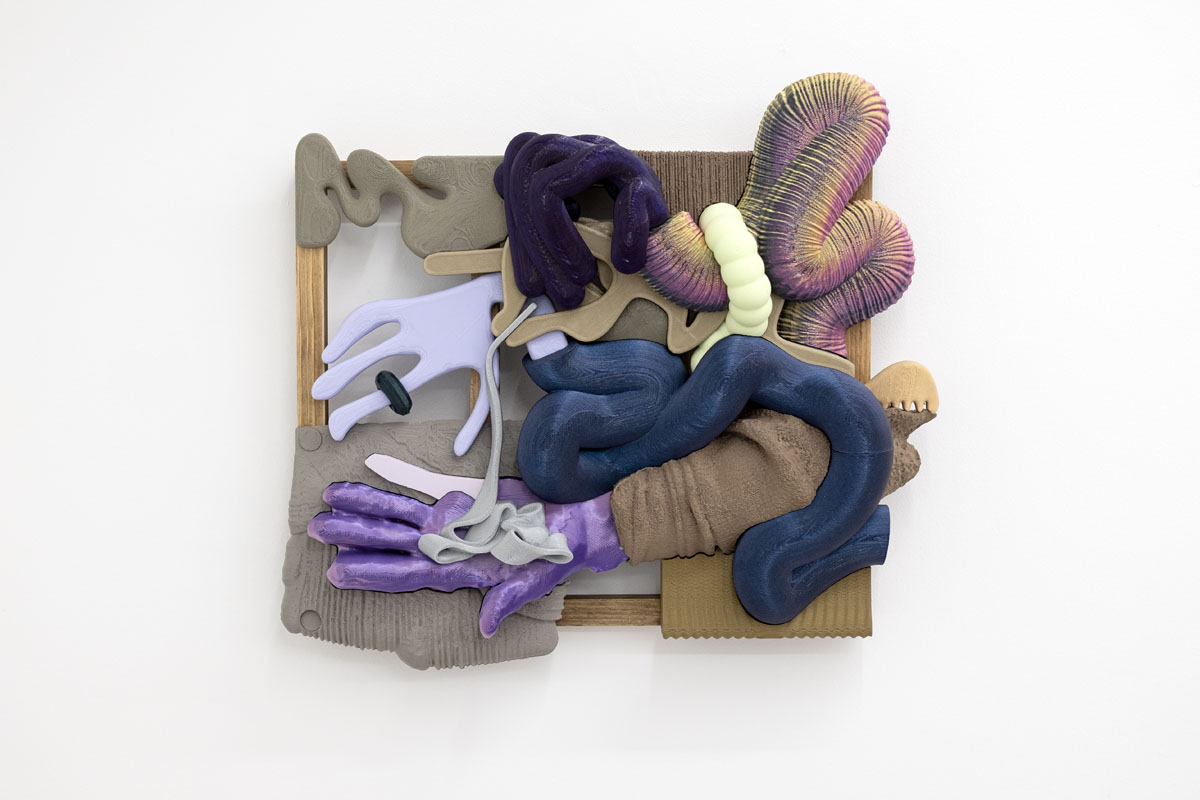
2024
Feeling Forward II
Glass Etch
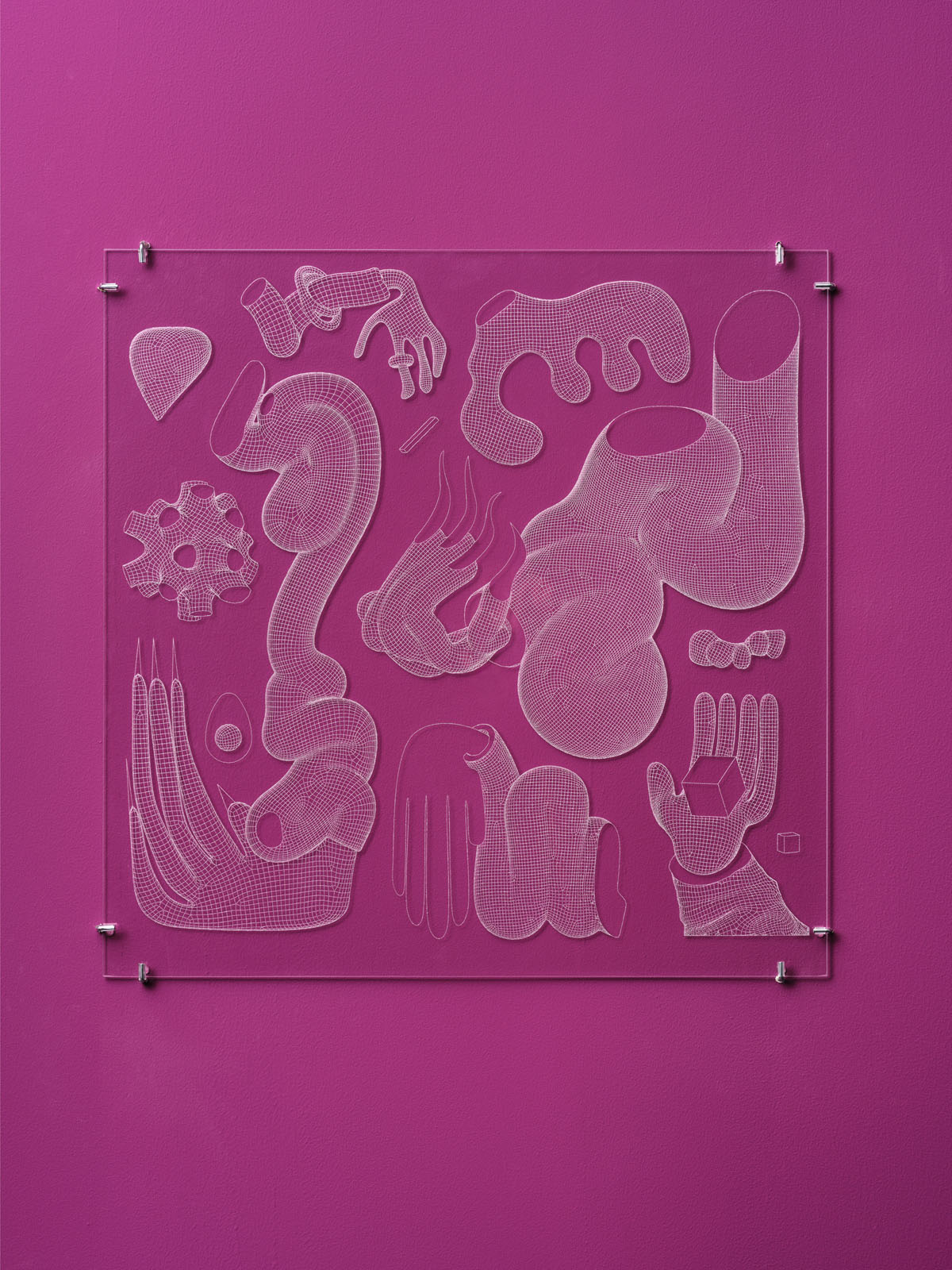
2024
Hand in Hand
Installation, Public Art
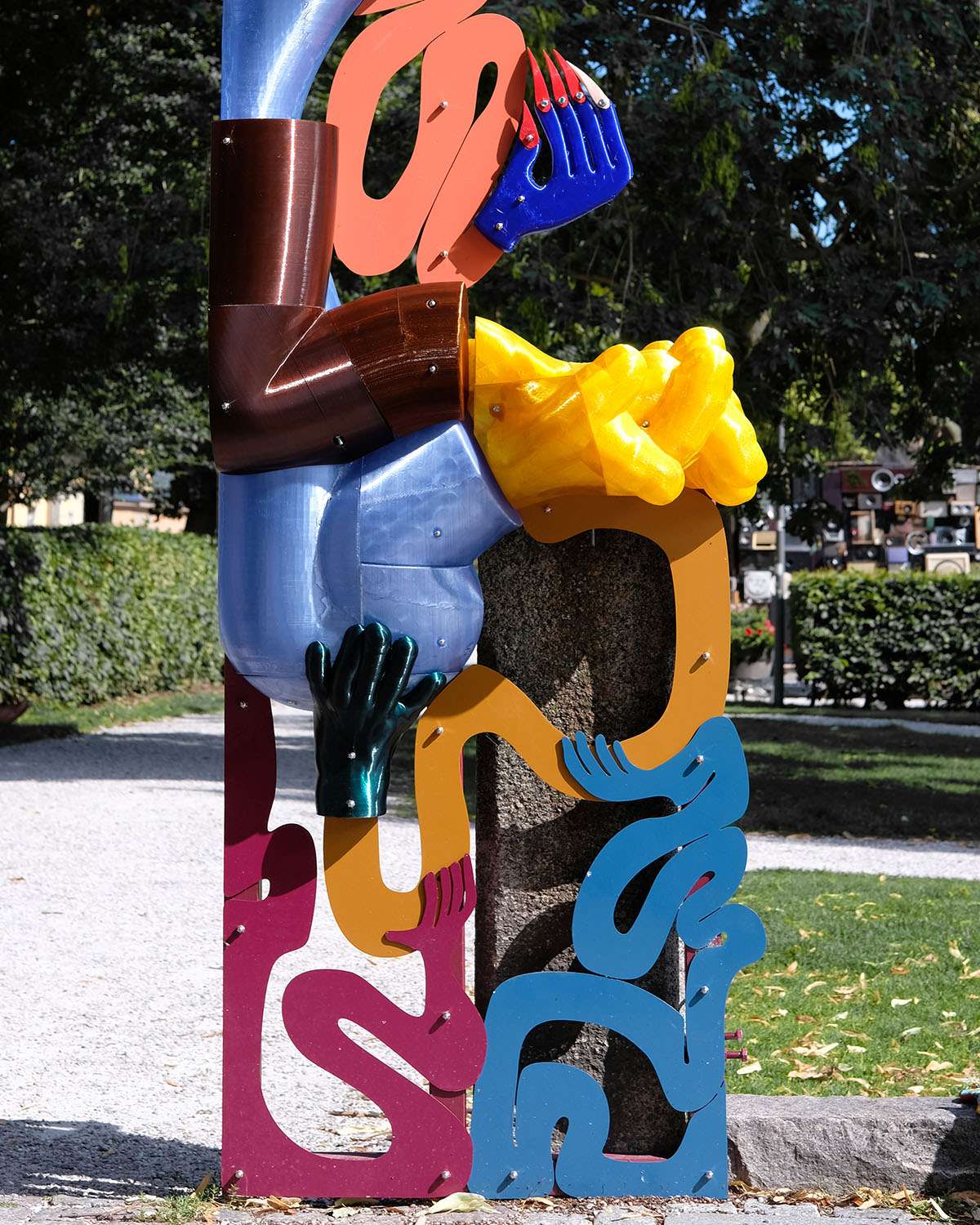
2023
The Liminal Eatery
Interactive Installation
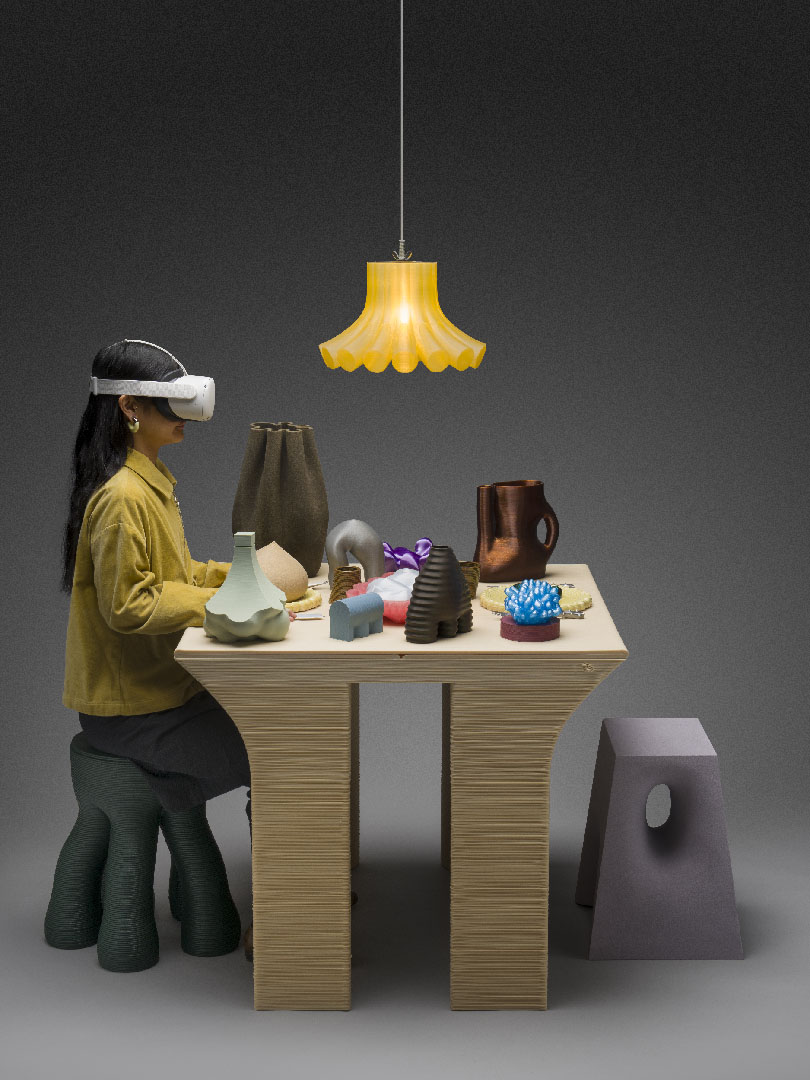
2023
Digital Indulgence
Sculpture
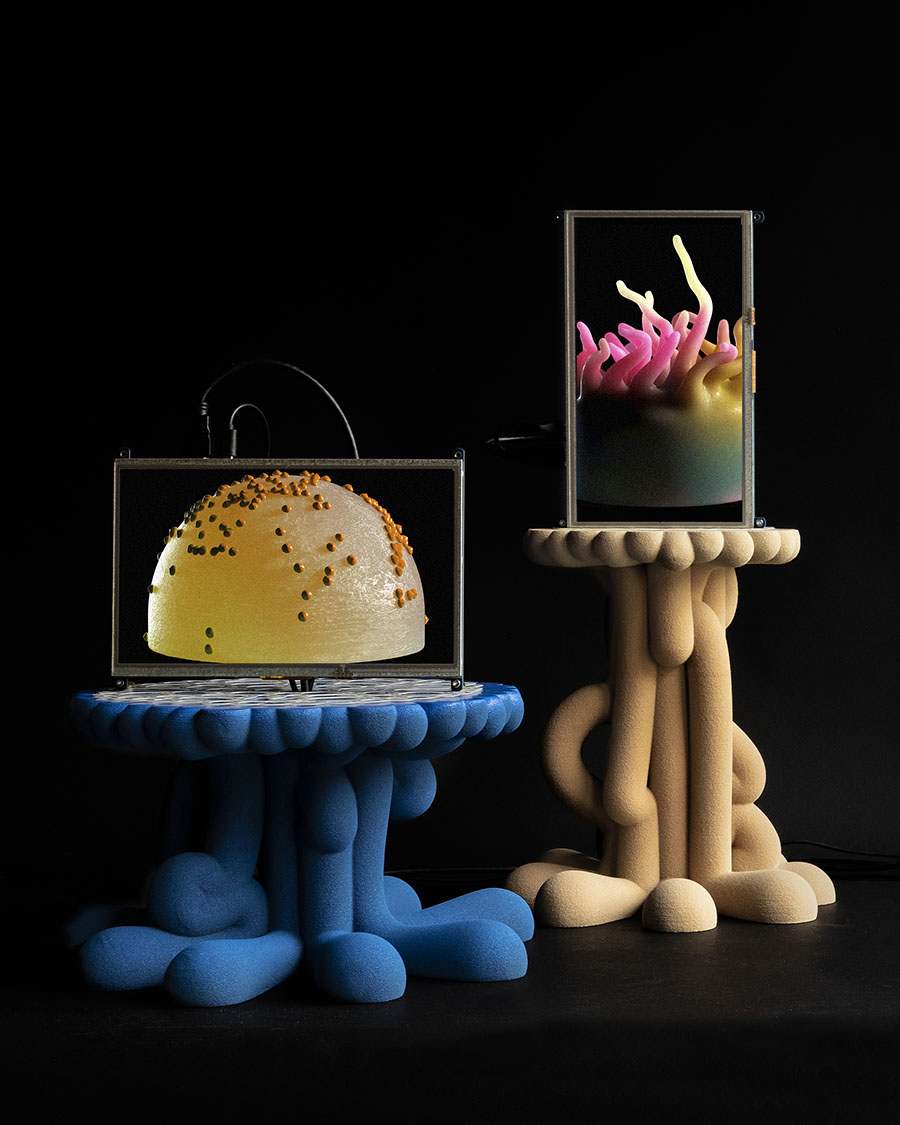
2023
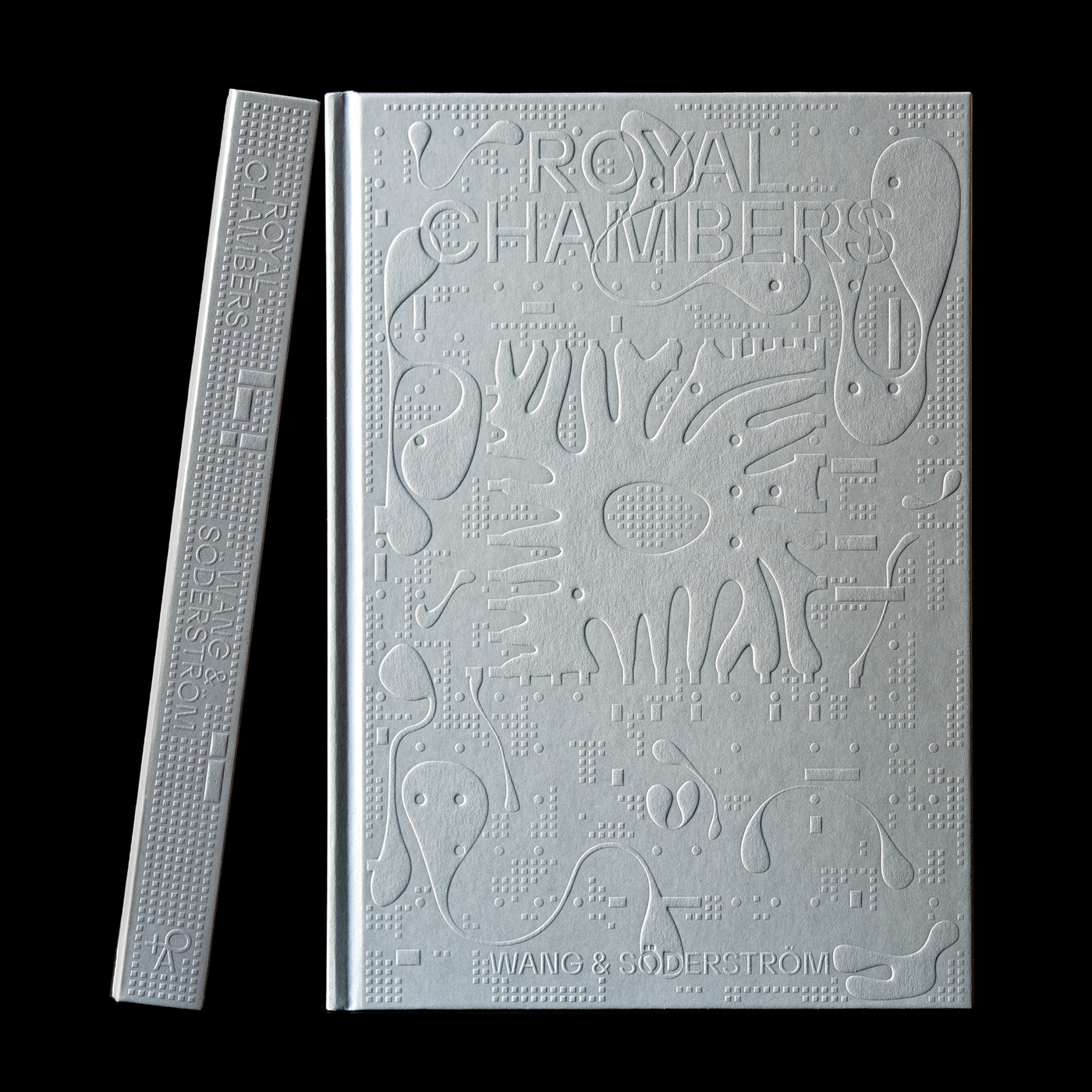
Royal Chambers - Book
Publication
2023
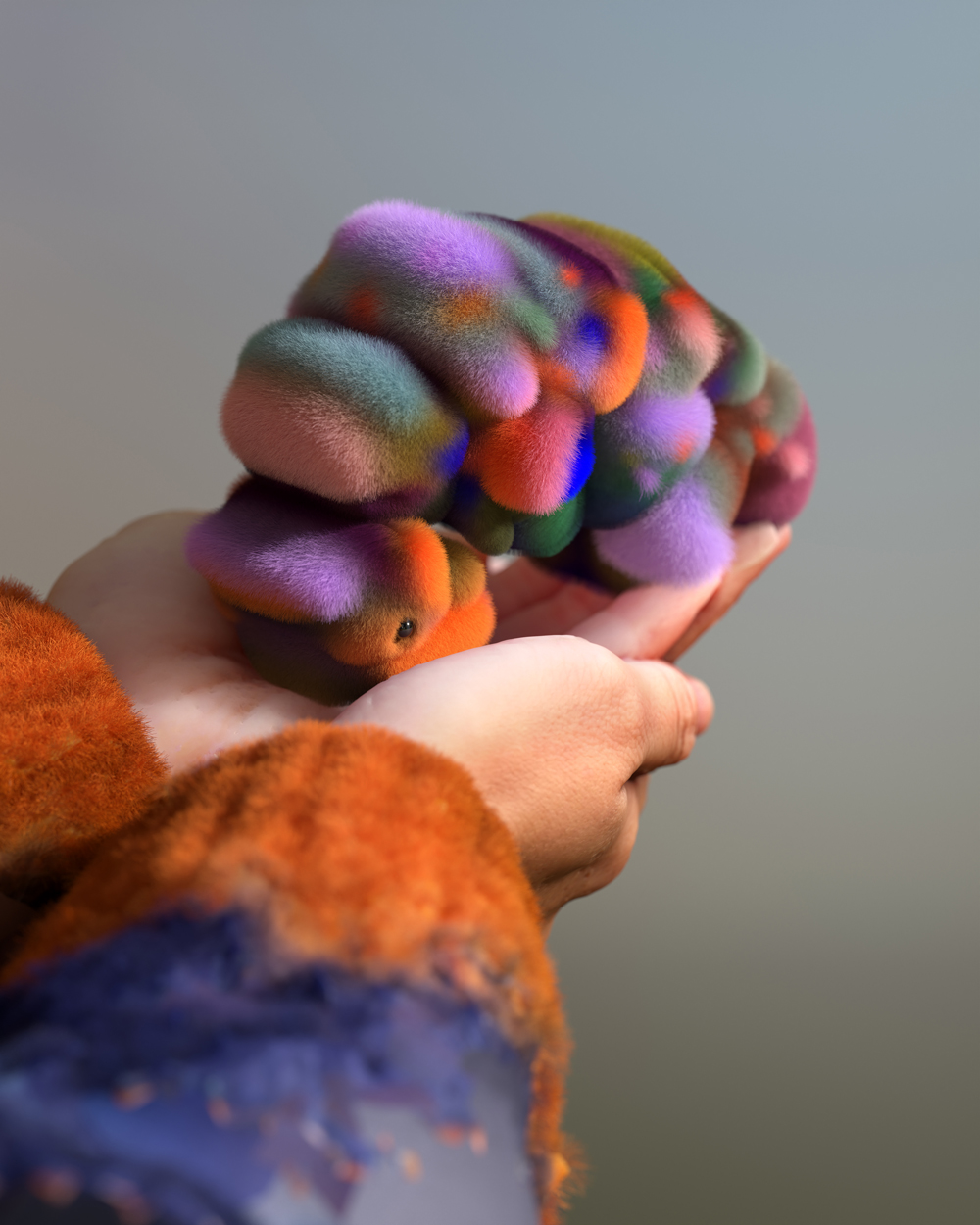
Handling
Digital Imagery
2023
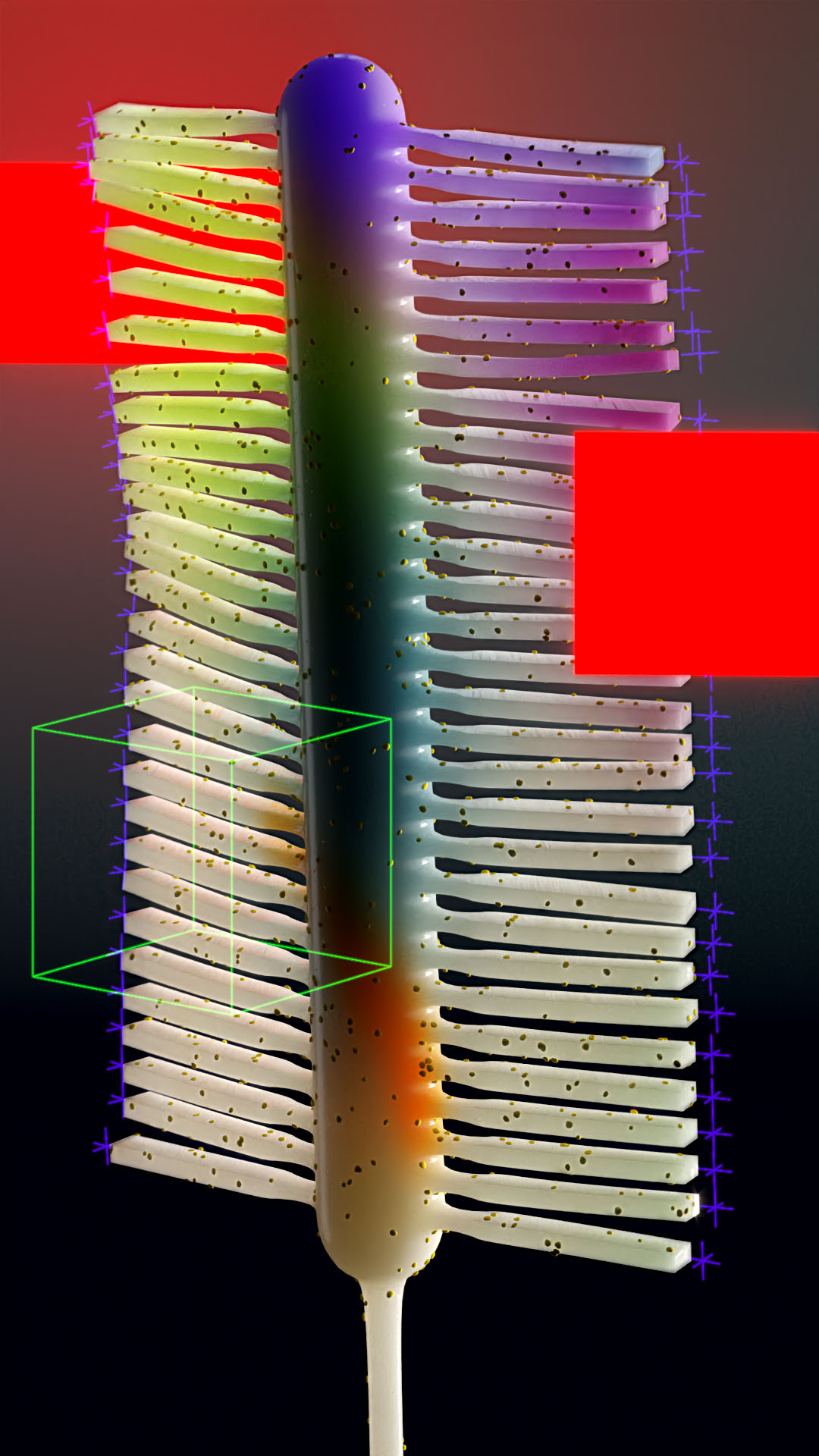
Synthetic Crops II
Digital Imagery
2022
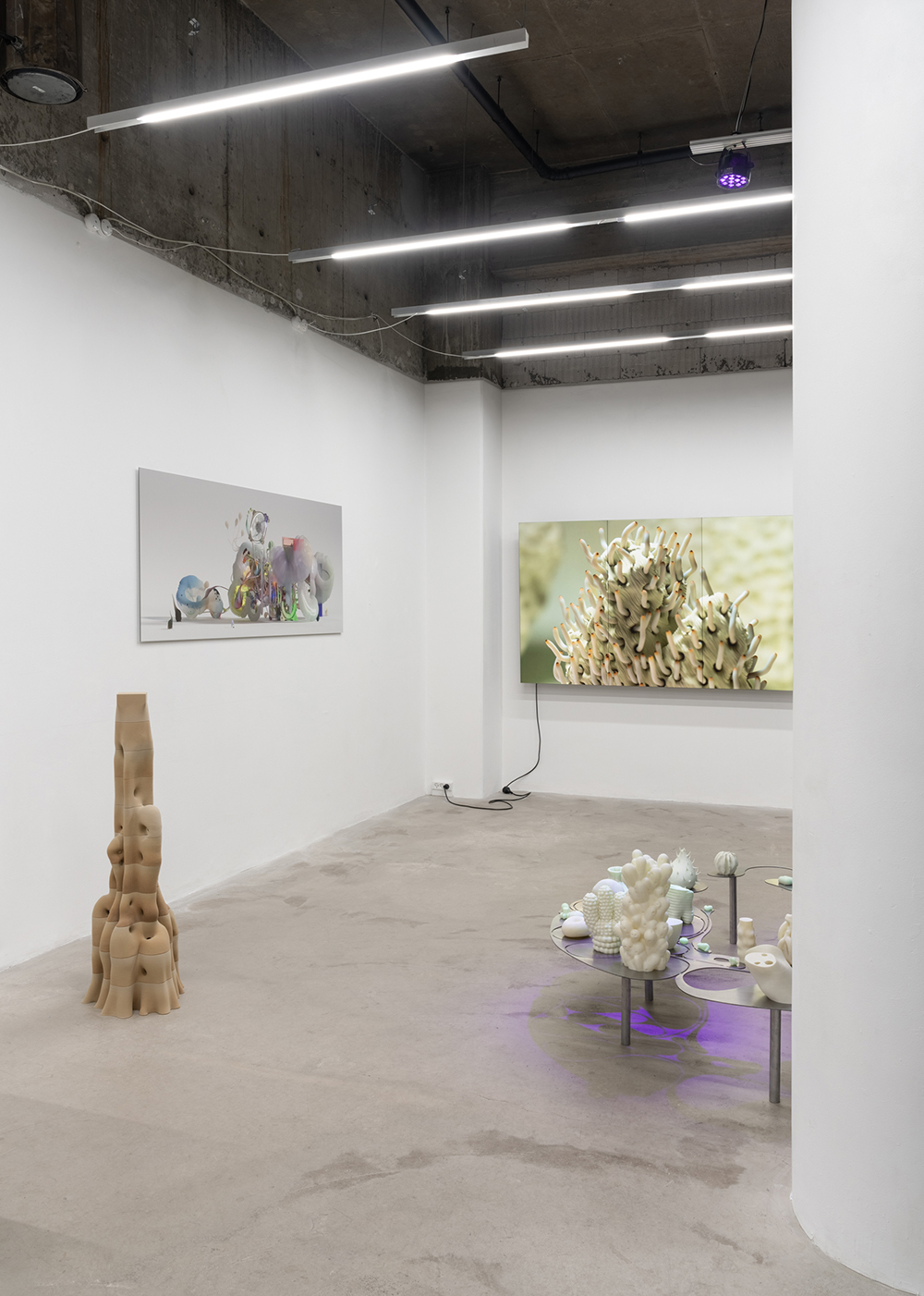
Royal Chambers
Solo Exhibition
2022
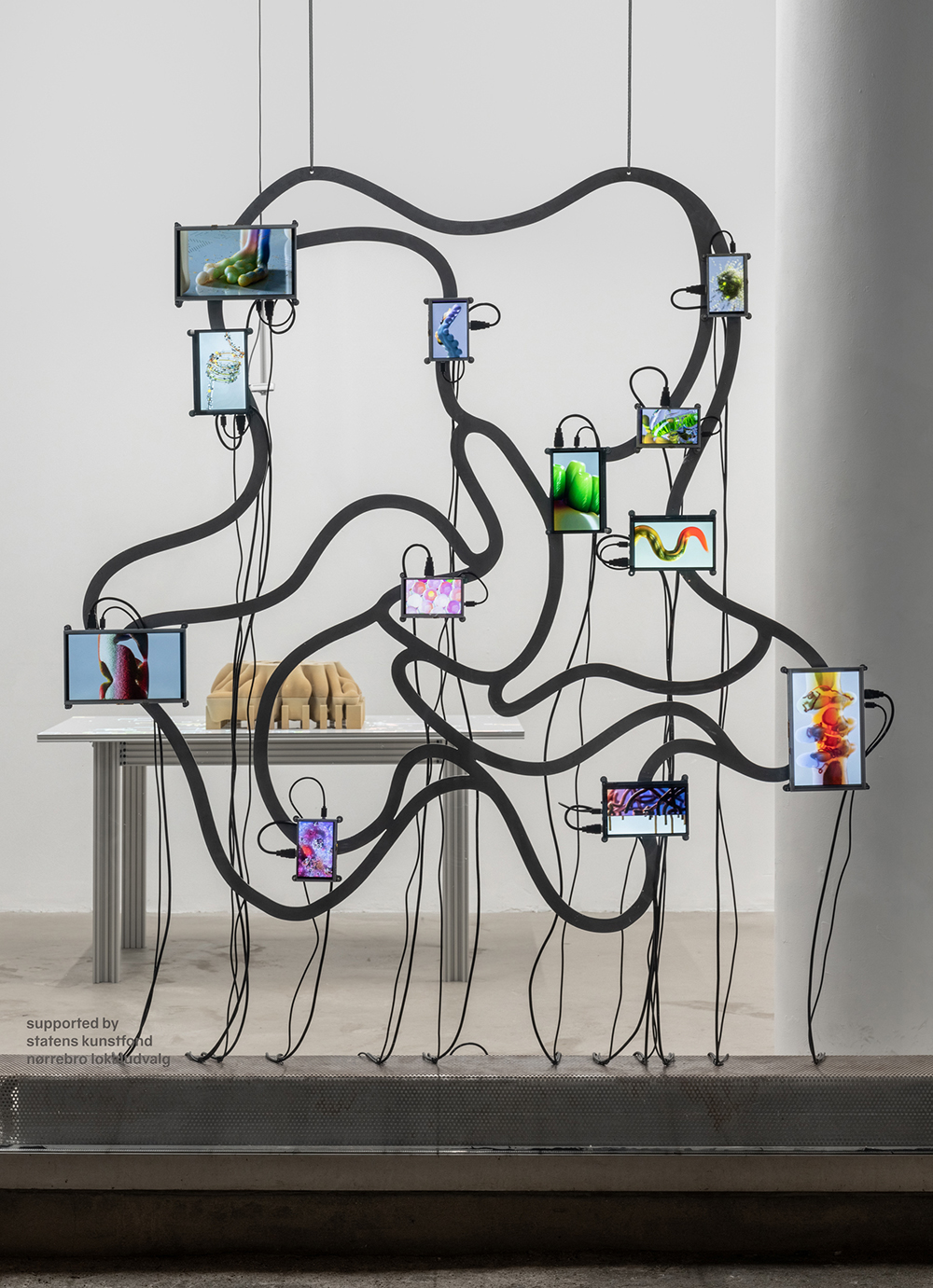
Wh331 0f 1!f3
Video Installation
2022
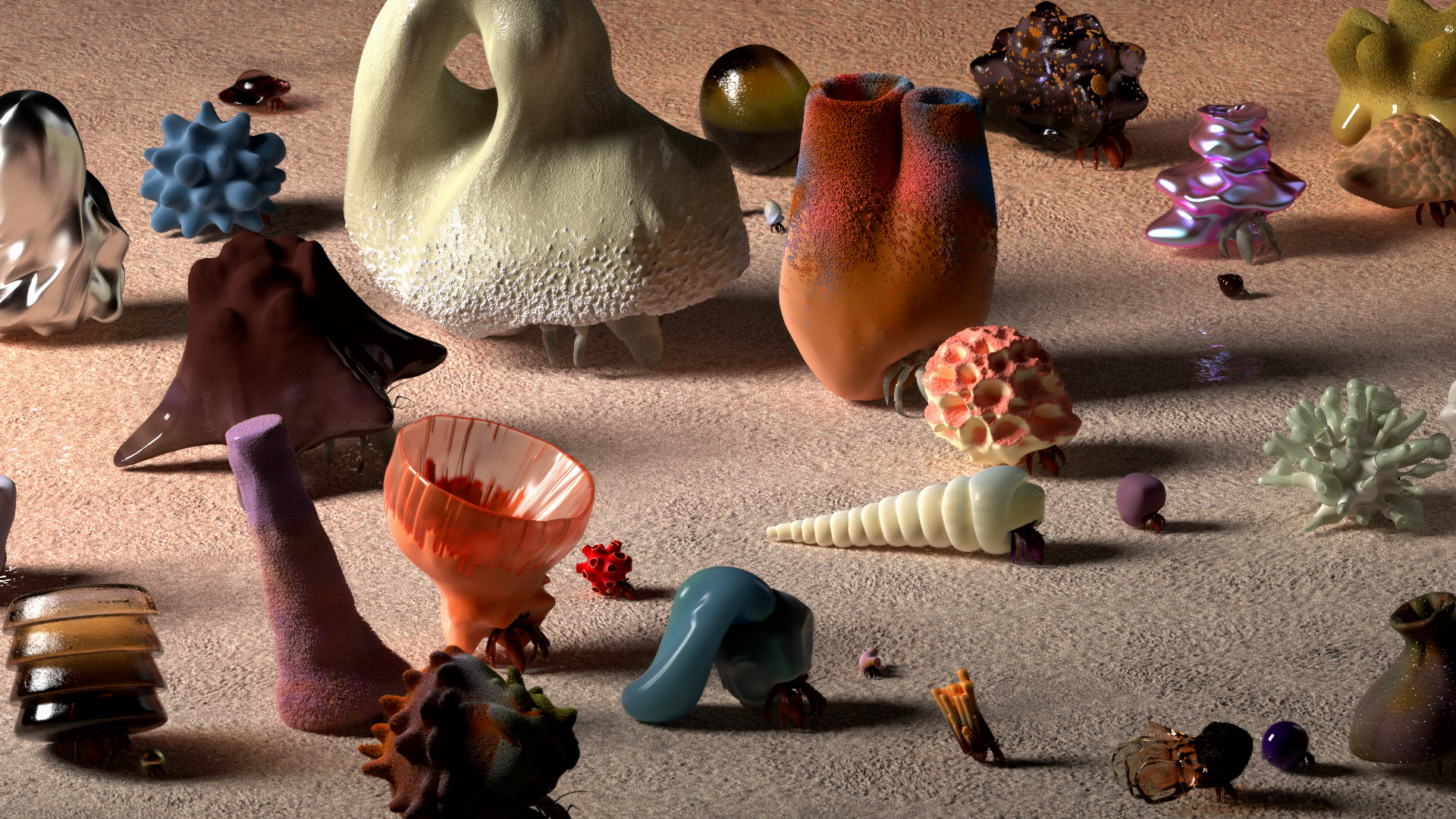
Rehousing Technosphere
Animation
2022
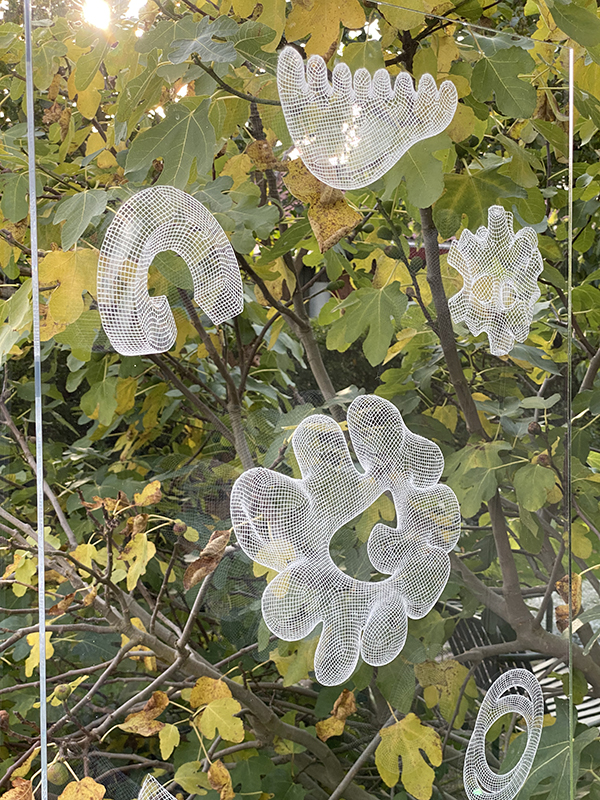
Between Earth and Cloud
Sculptural Installation
2022
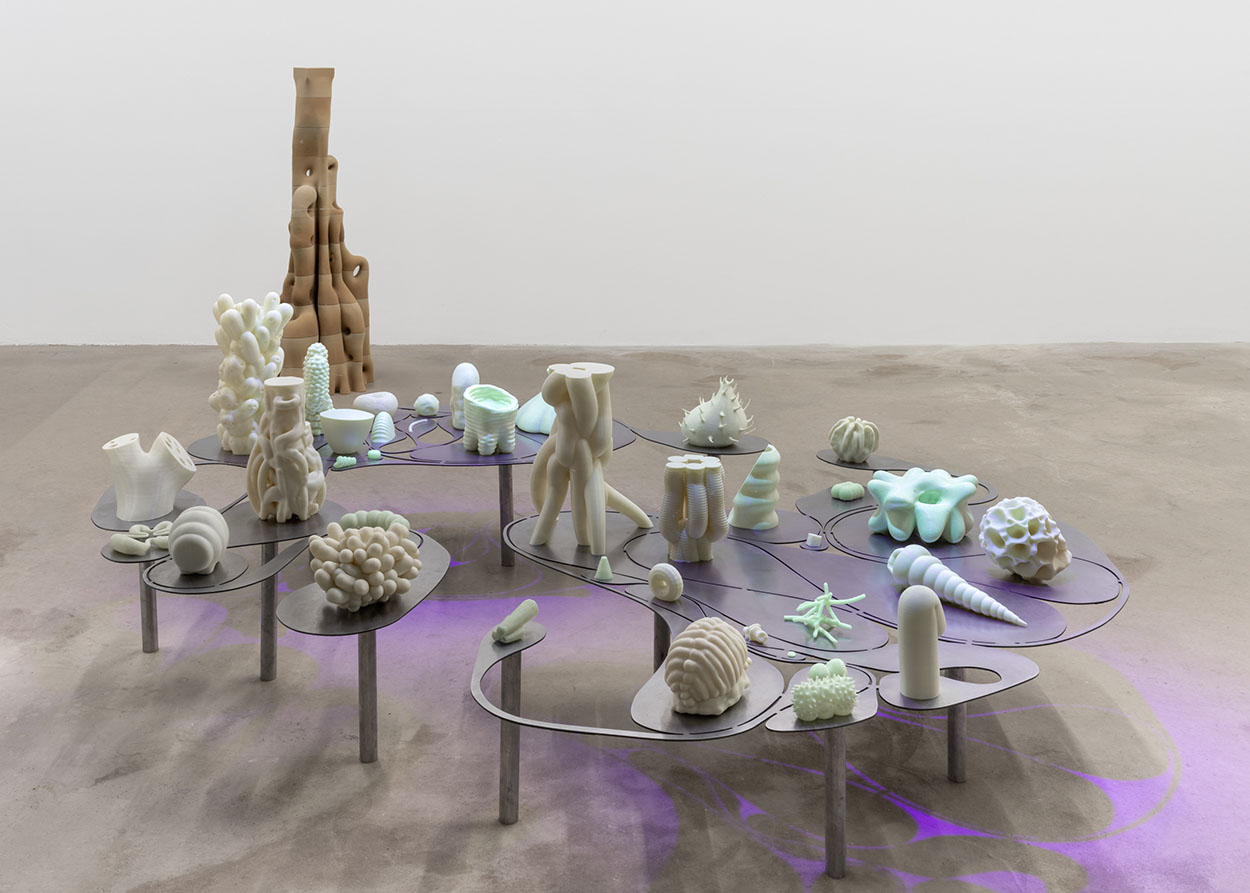
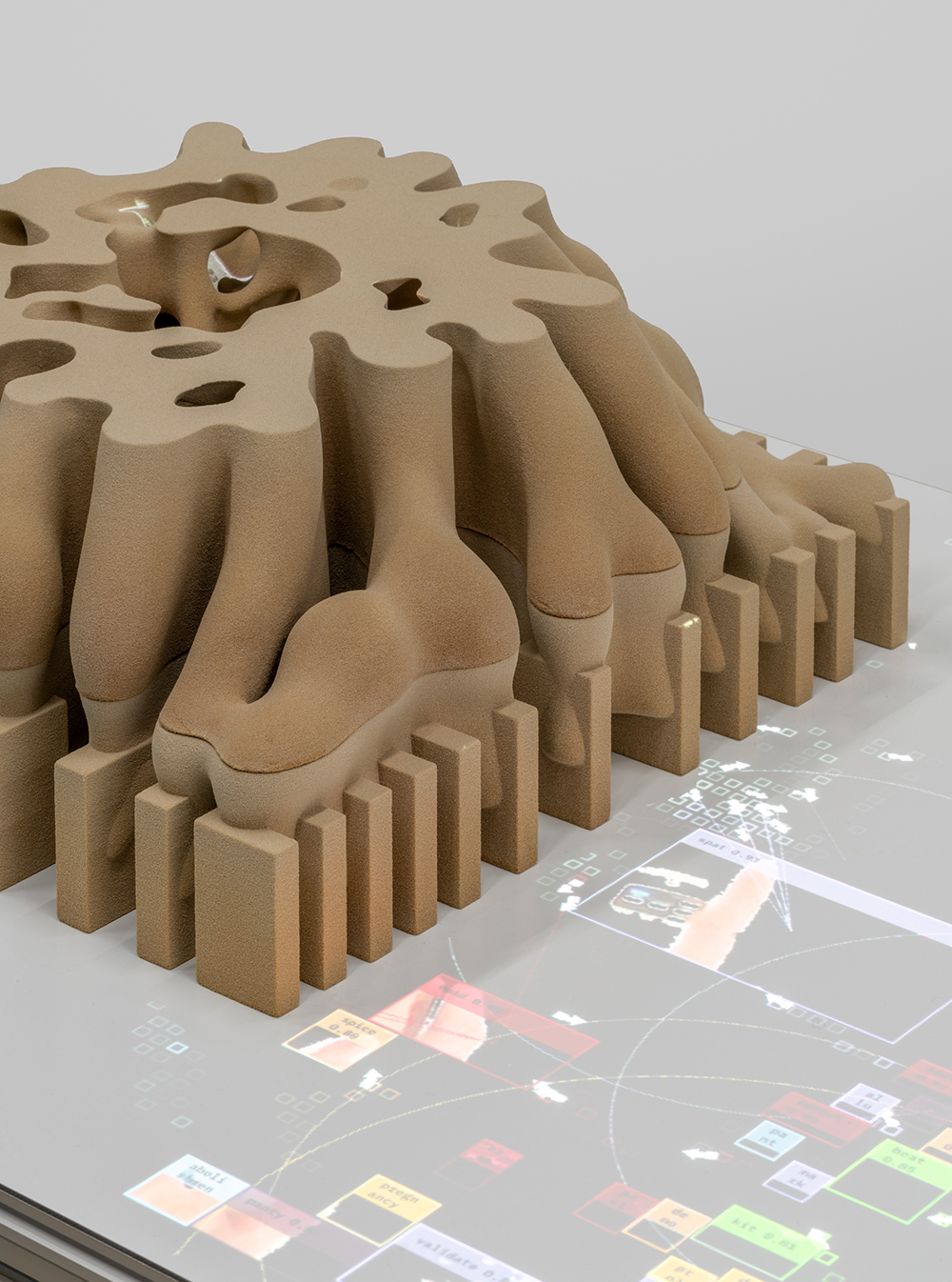
Nest of You
Interactive Installation
2022
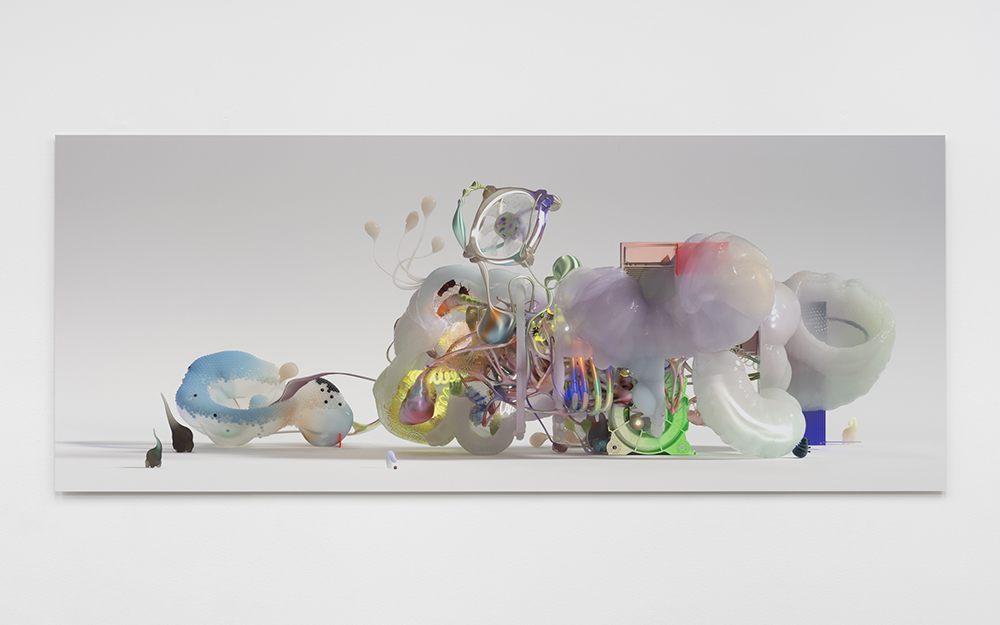
Abiogenesis
Digital Print
Show More ︎︎︎

© 2016 —
2025 Wang & Söderström

Superorganism
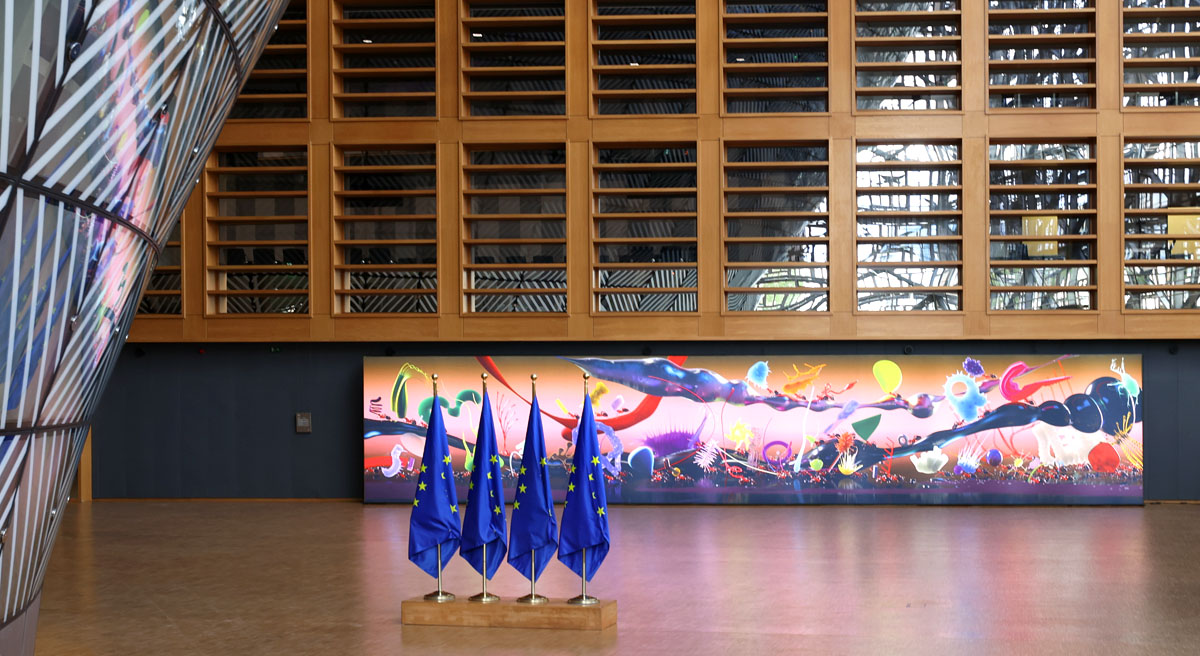
Year: 2025
Commissioned Public Art / Installation
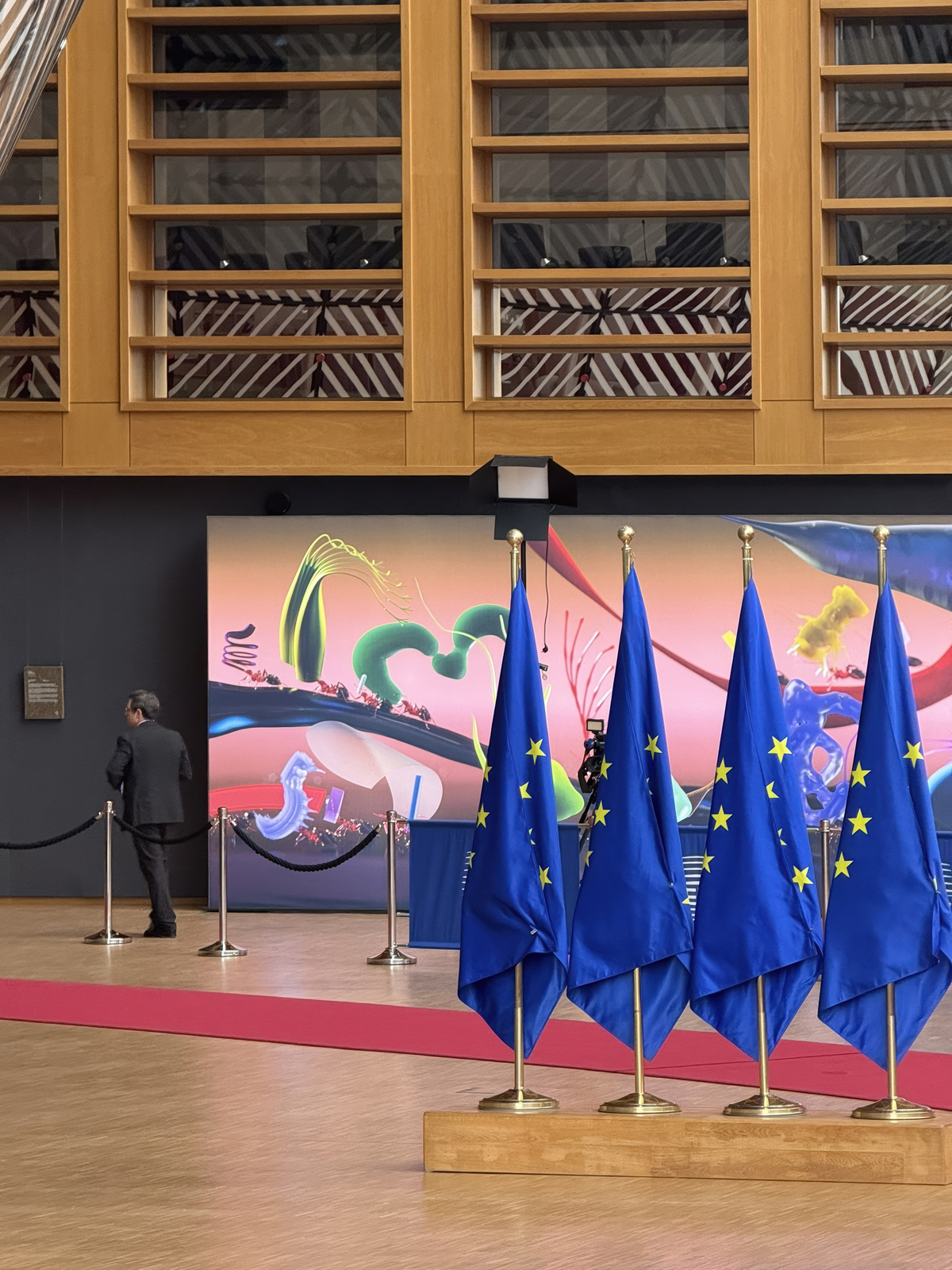
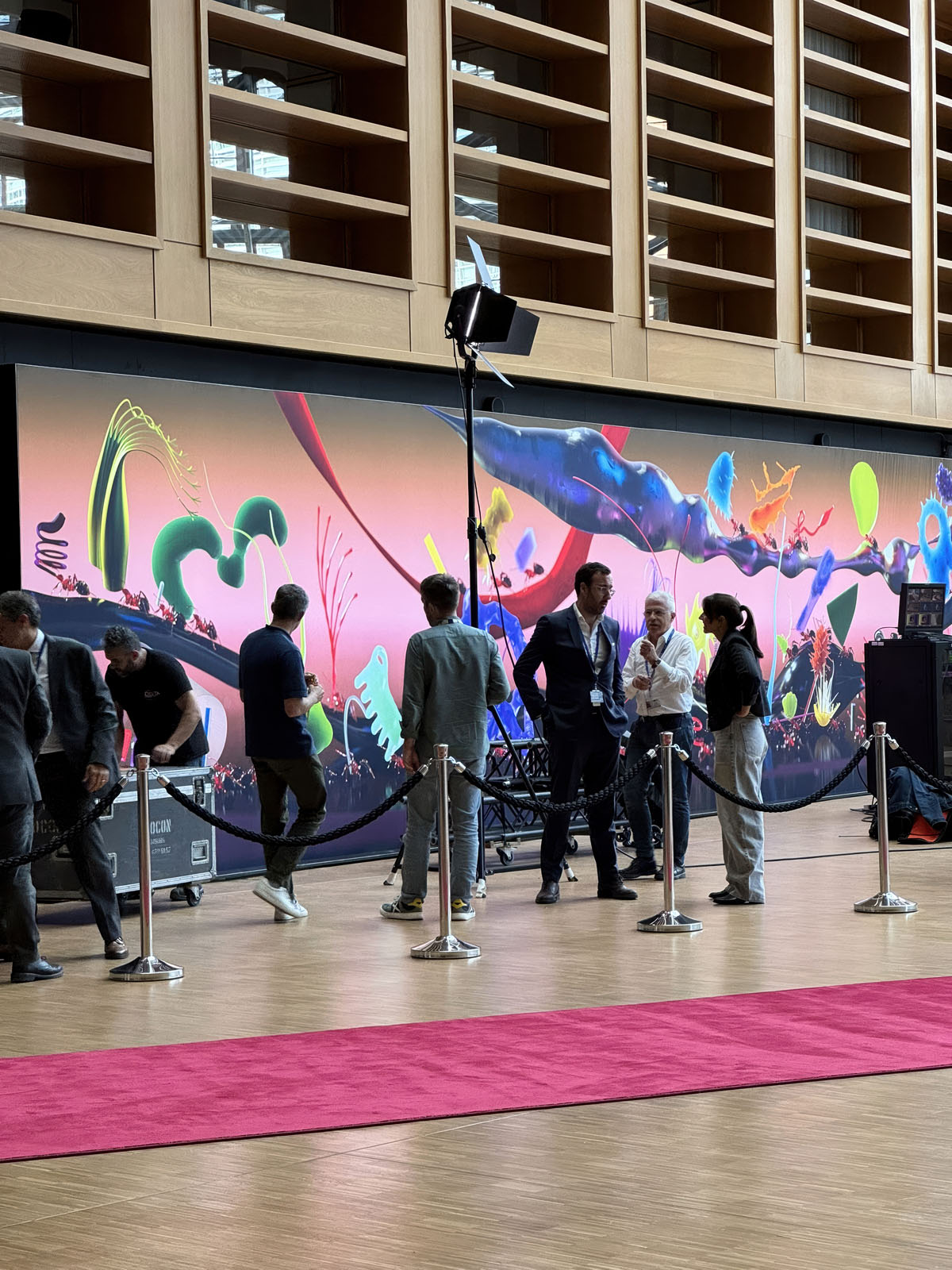
EU Council, Europa Building, Brussels
Exhibition period: July 16 — Dec 31. 2025
Technique: Digital sculpting, Digital print
Material: Print on fabric, LED lightbox
Dimensions: 16 x 3 m
Photos by: EU Council + Wang & Söderström
Commissioned Public Art / Installation
EU Council, Europa Building, Brussels
Exhibition period: July 16 — Dec 31. 2025
Technique: Digital sculpting, Digital print
Material: Print on fabric, LED lightbox
Dimensions: 16 x 3 m
Photos by: EU Council + Wang & Söderström
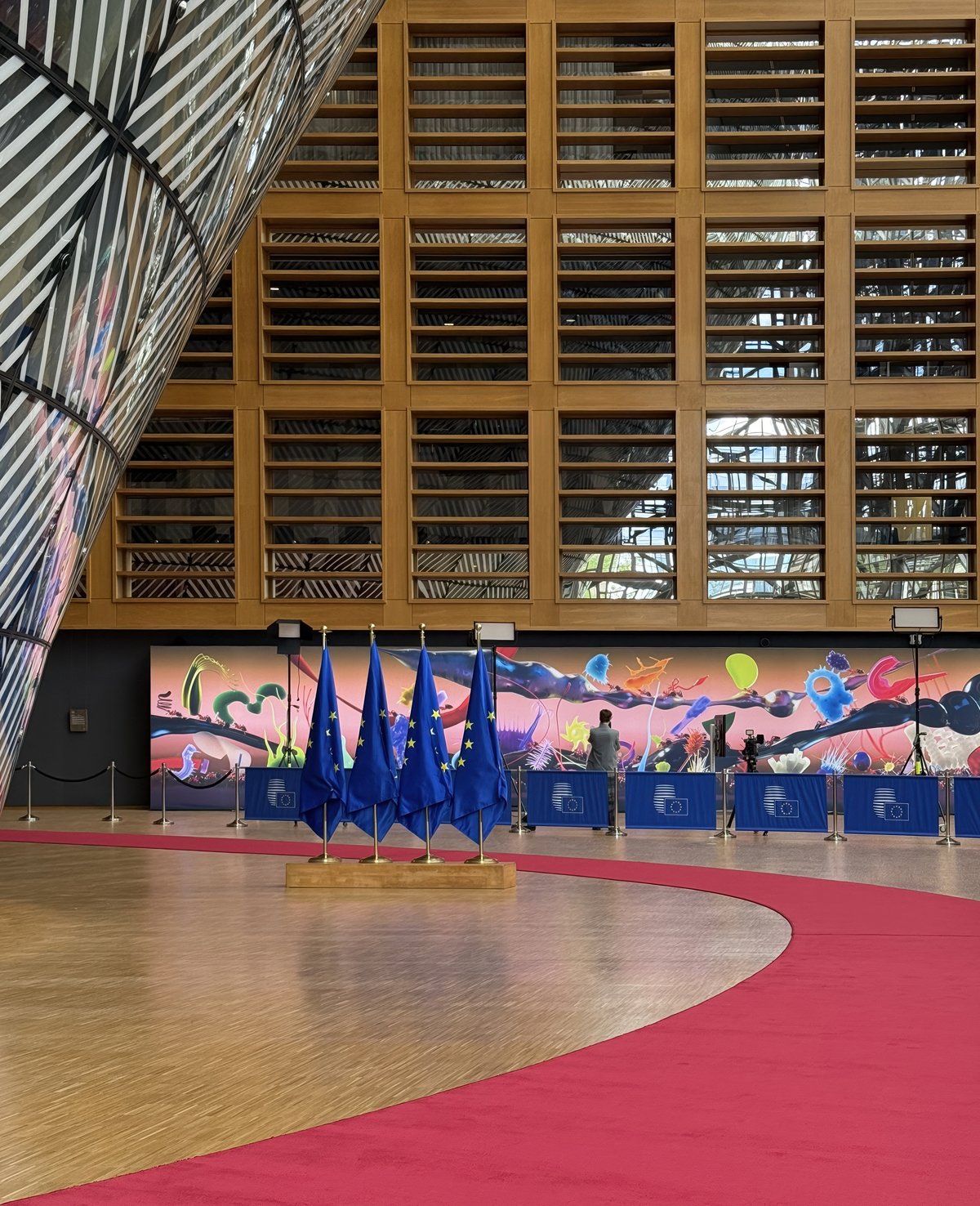
Artistic decoration commissioned by the Ministry of Foreign Affairs of Denmark for EU Council Building during the Danish Presidency of the EU Council.
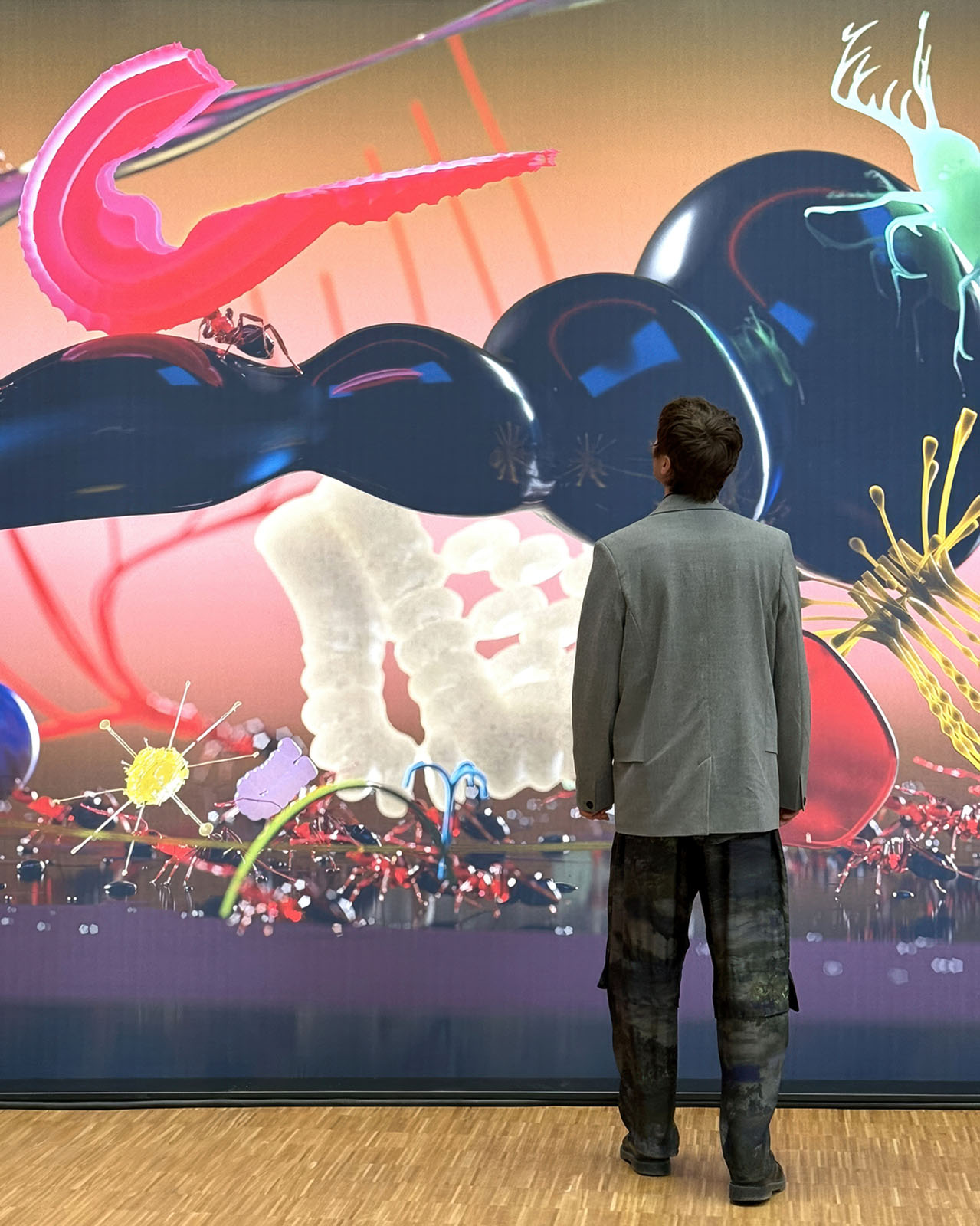
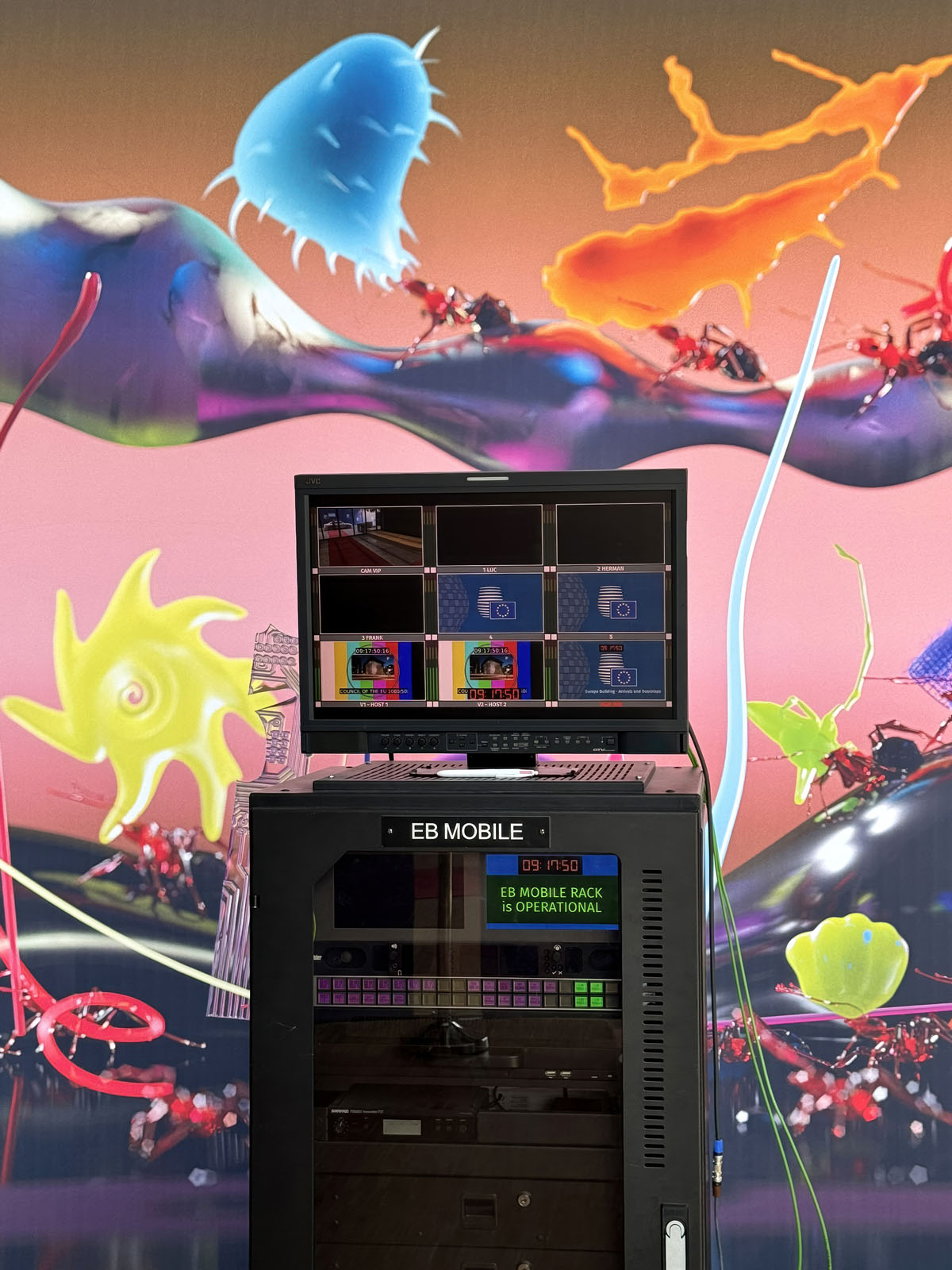
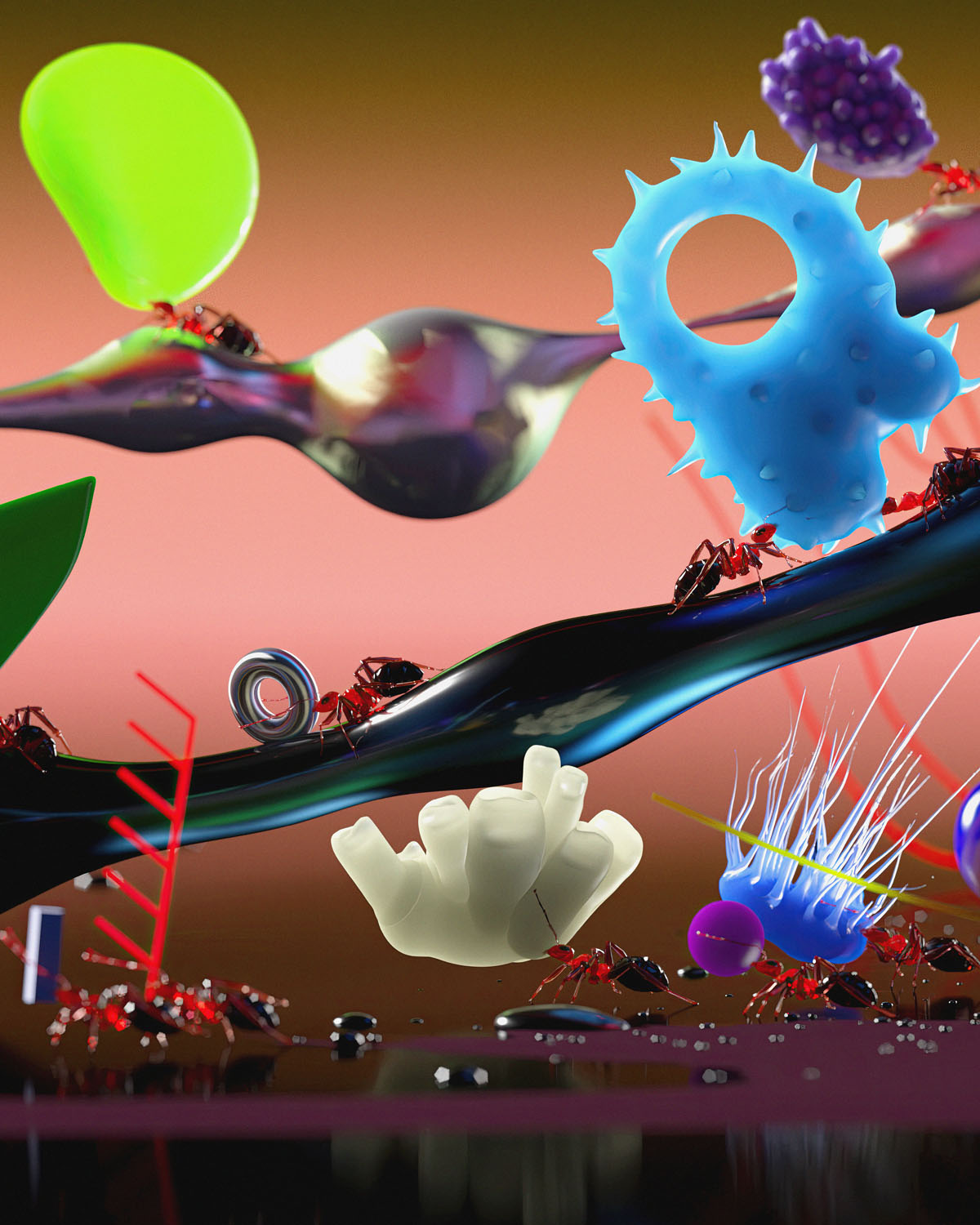
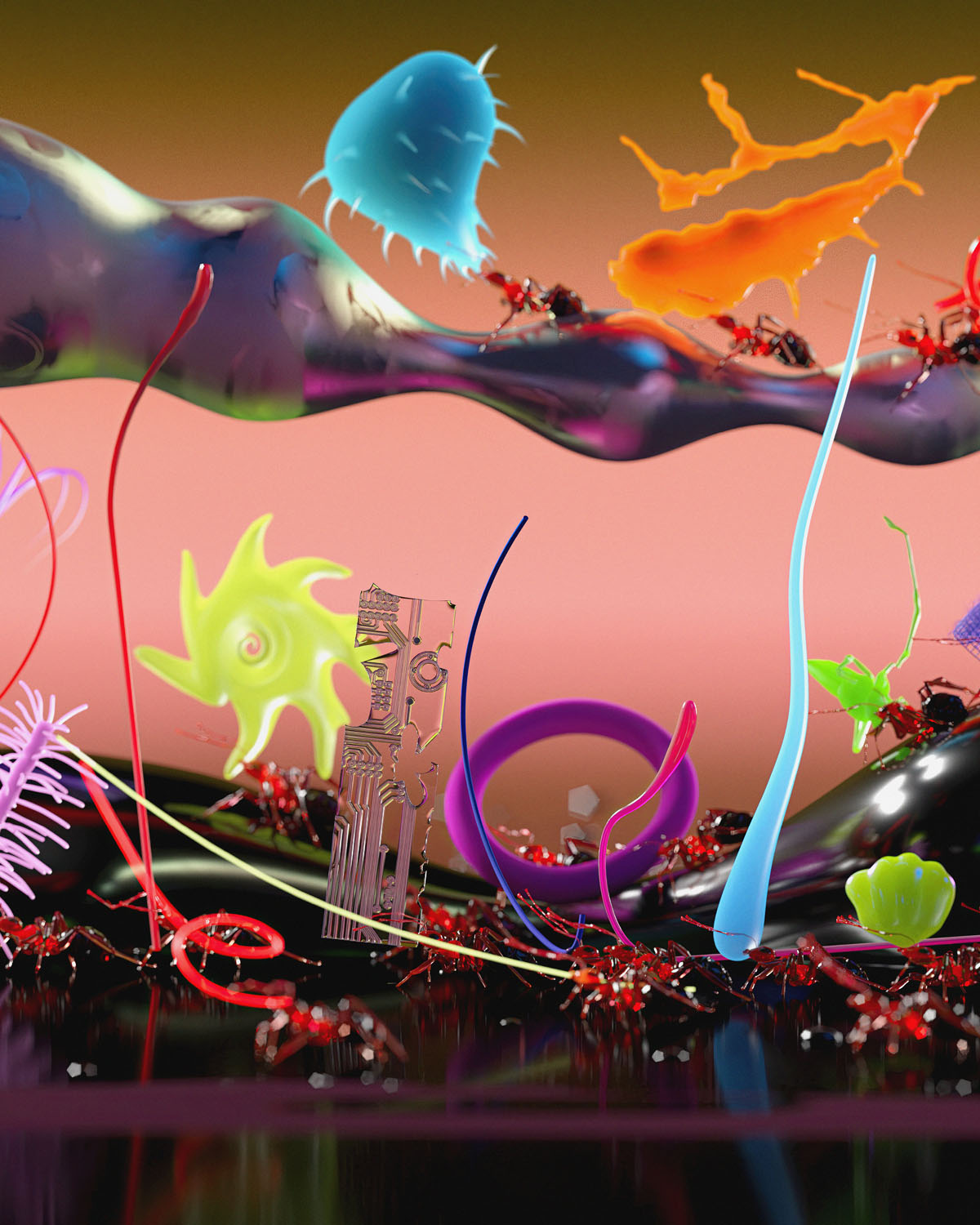
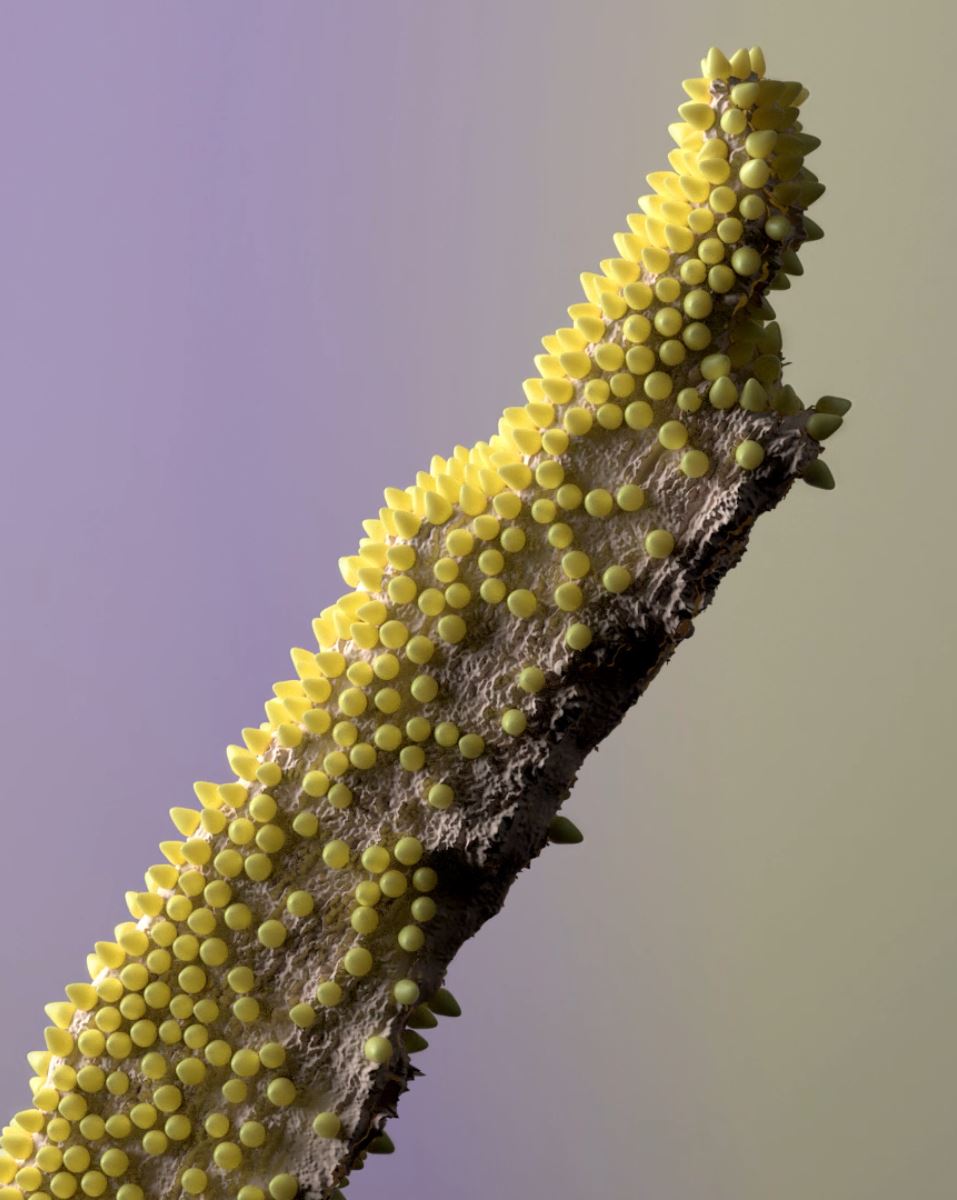
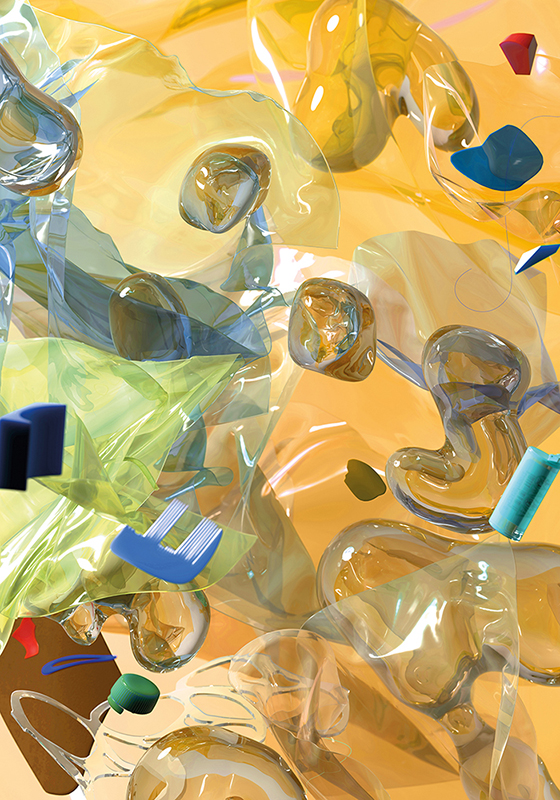
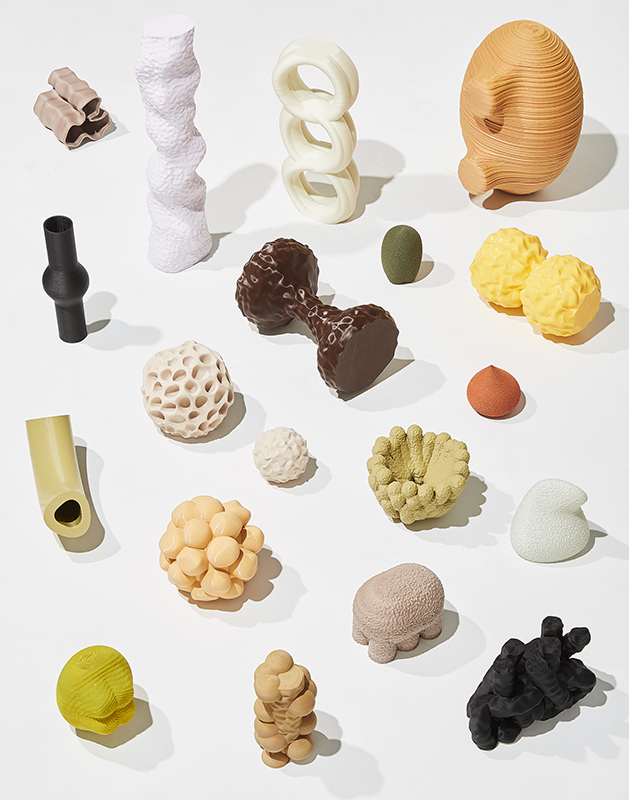
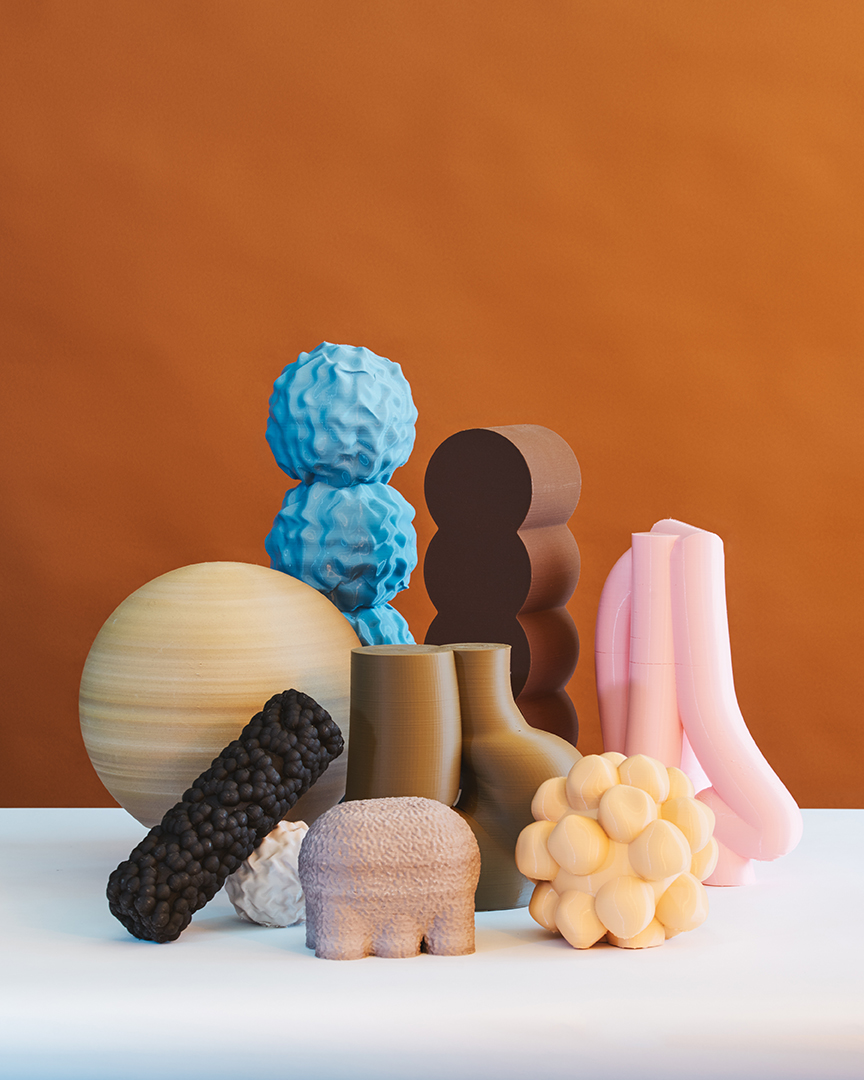
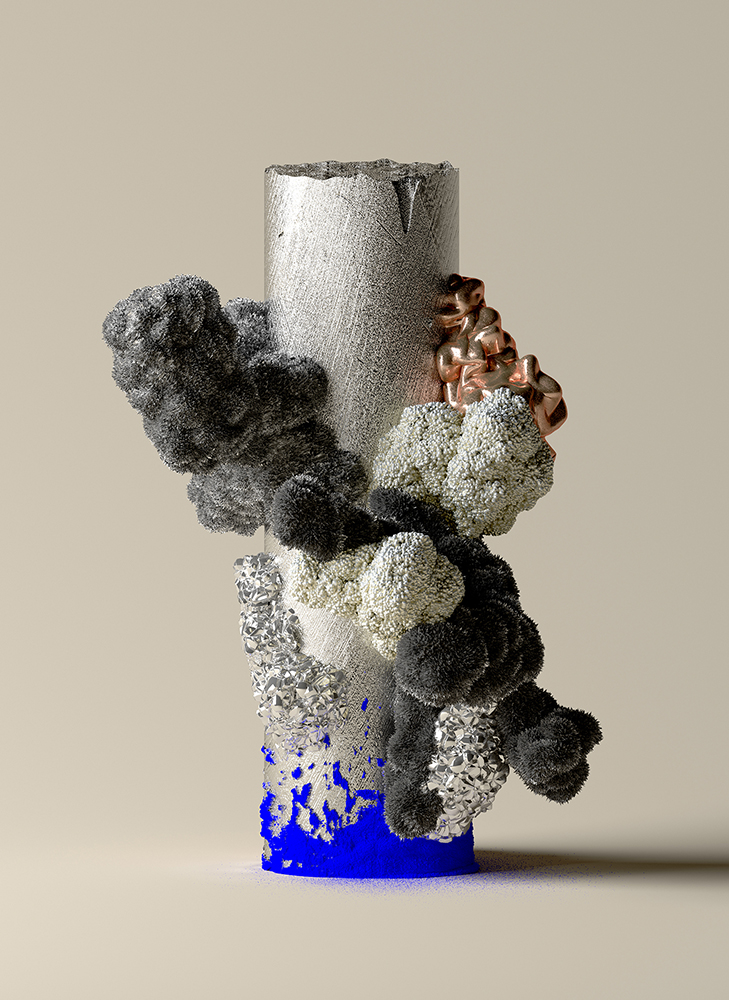
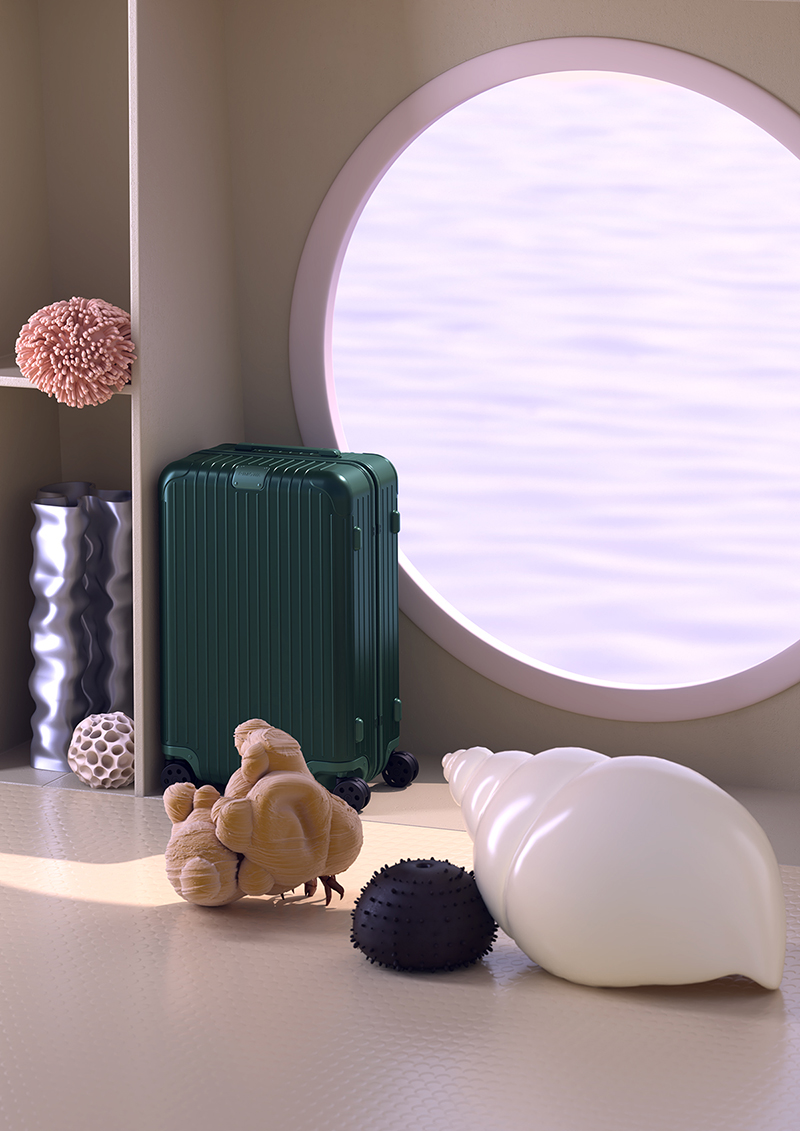
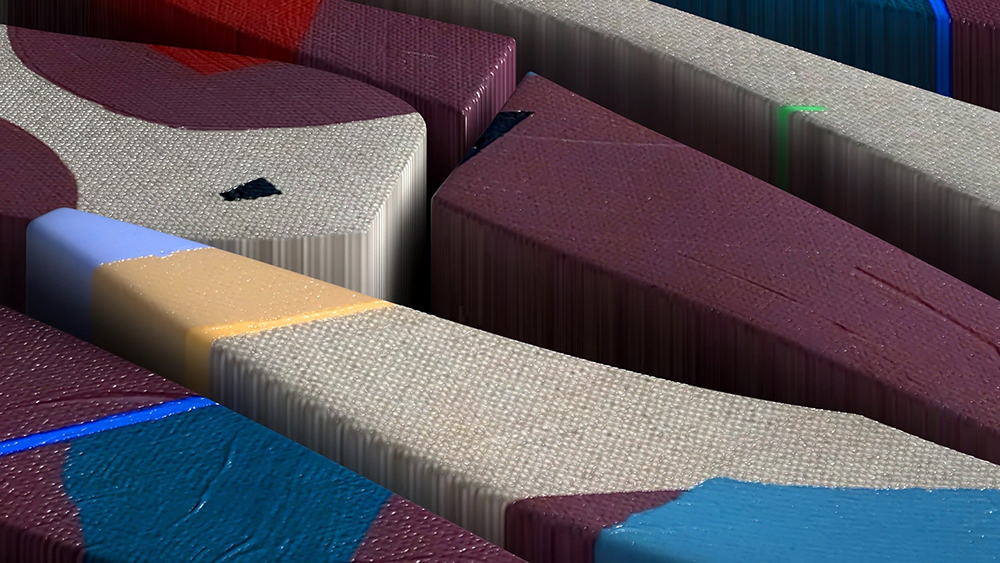
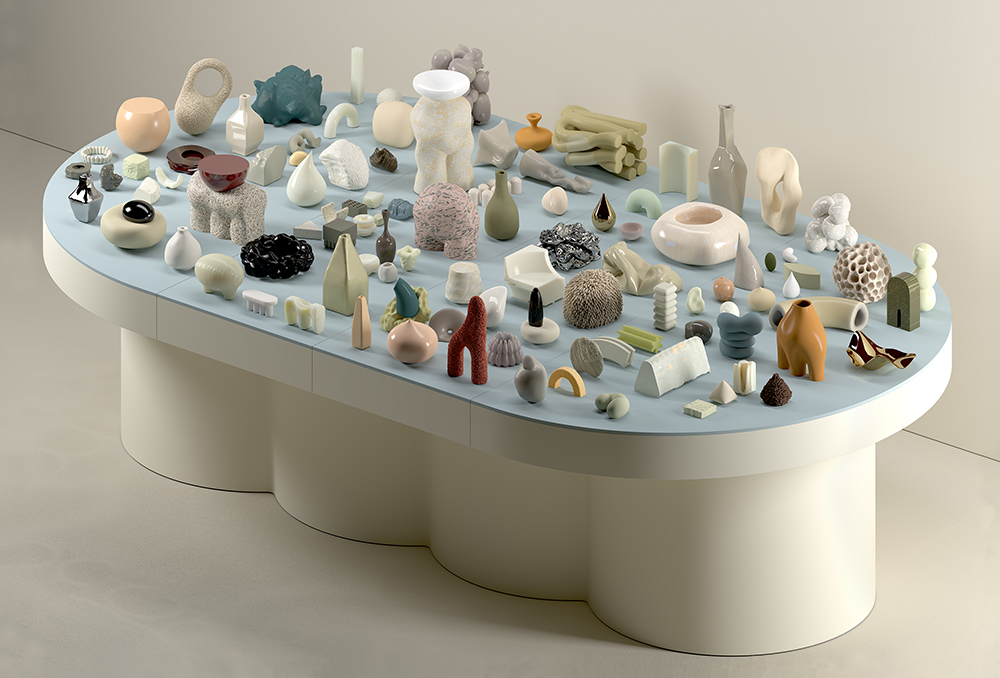
In a speculative landscape, a trail of ants is carrying various findings from the technosphere. The work explores themes of collective intelligence, emergent behaviour, network systems where coordination arises through local interaction rather than hierarchy.
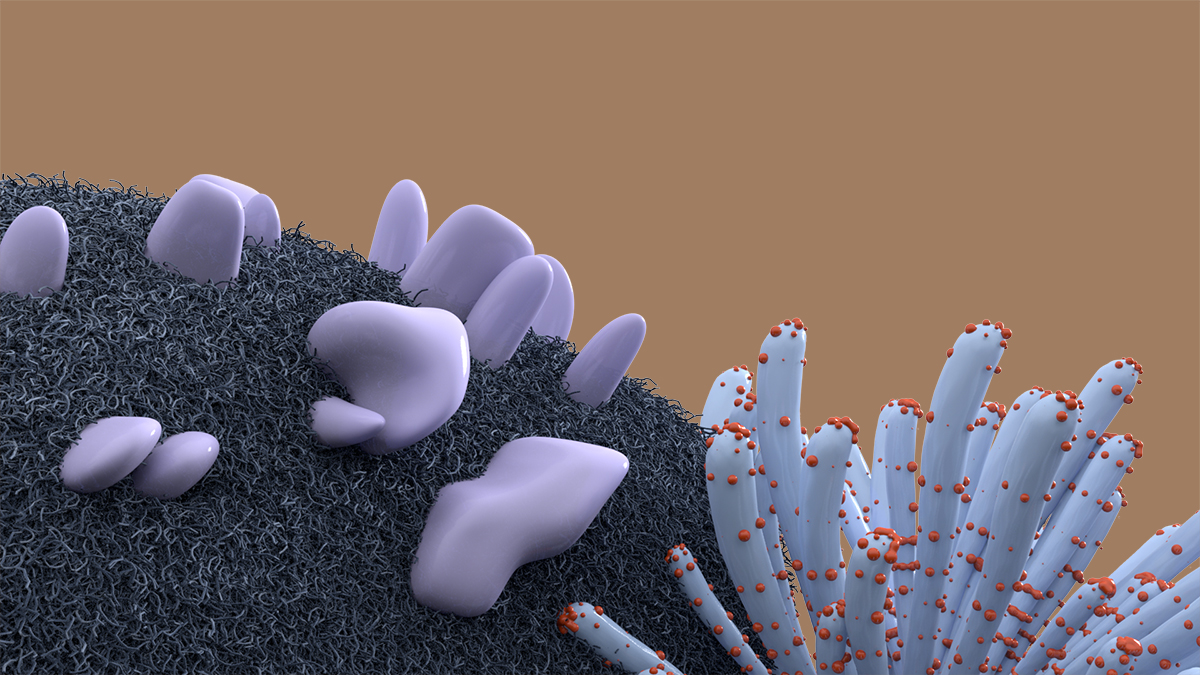
In ant colonies, no central figure directs the group. The queen sustains, but does not lead. A single ant can be seen as simple, they are dependent on their antennae to communicate and navigate on a local scale. Together the ants generate complex structures and behaviours—systems that evolve without a central control, a superorganism.
Just one ant needs to stray from the trail to discover new food—otherwise, the colony would return to the same spot and risk starvation. A single local shift can redirect the entire network. Through their sensitive antennae, ants build community one interaction at a time.
Positioned within a space of power, this work is both a mirror and a prompt. Can we rethink the systems we’ve built—and those we have yet to imagine? It is through empathy, not control, that we might begin to sense what comes next.
In a speculative landscape, a trail of ants is carrying various findings from the technosphere. The work explores themes of collective intelligence, emergent behaviour, network systems where coordination arises through local interaction rather than hierarchy.
In ant colonies, no central figure directs the group. The queen sustains, but does not lead. A single ant can be seen as simple, they are dependent on their antennae to communicate and navigate on a local scale. Together the ants generate complex structures and behaviours—systems that evolve without a central control, a superorganism.
Just one ant needs to stray from the trail to discover new food—otherwise, the colony would return to the same spot and risk starvation. A single local shift can redirect the entire network. Through their sensitive antennae, ants build community one interaction at a time.
Positioned within a space of power, this work is both a mirror and a prompt. Can we rethink the systems we’ve built—and those we have yet to imagine? It is through empathy, not control, that we might begin to sense what comes next.