Wang & Söderström is an artist and design duo investigating the intersections between technology, ecology, and human perception in a changing world.
2025
27 Antennae
Installation, Public Art
2025
Superorganism
Installation, Public Art

2025
Sharp Feelers – Soft Antennas
Solo Exhibition
2025
The Liminal Eatery II
Interactive installation
2025
Känselspröt (Feelers)
Tapestry

2025
5+sinnen (5+senses)
Folding Screen

2025
Sense Machine
Installation, Public Art
2025
Making Kin II
Sculpture
2024
Techno Mythologies
Solo Exhibition
2024
Snake Oil
Sculpture

2024
VIKING
Sculpture

2024
Hand of the Many
Sculpture
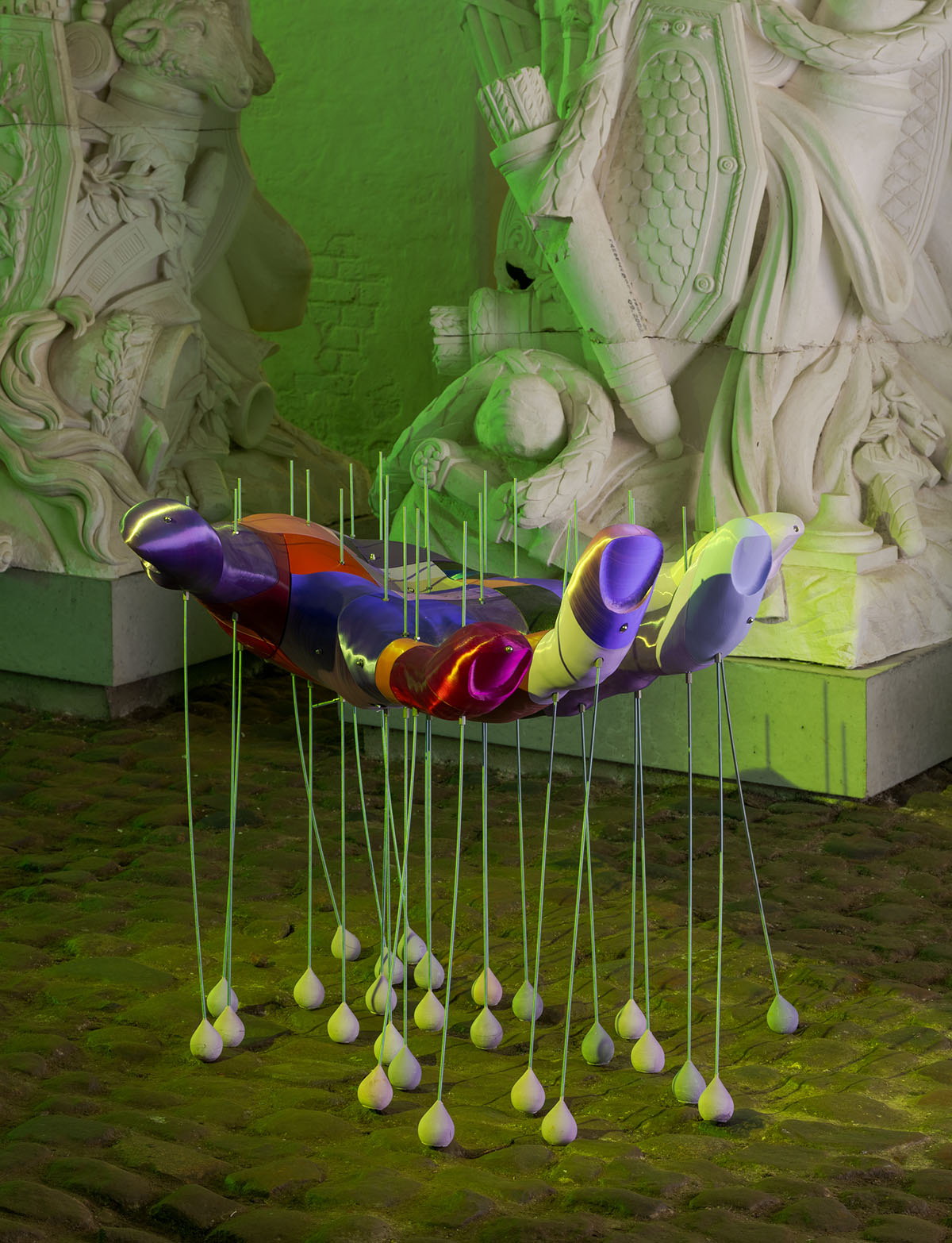
2024
Hand of Rebirth
Sculpture

2024
Trunks I-III
Sculpture
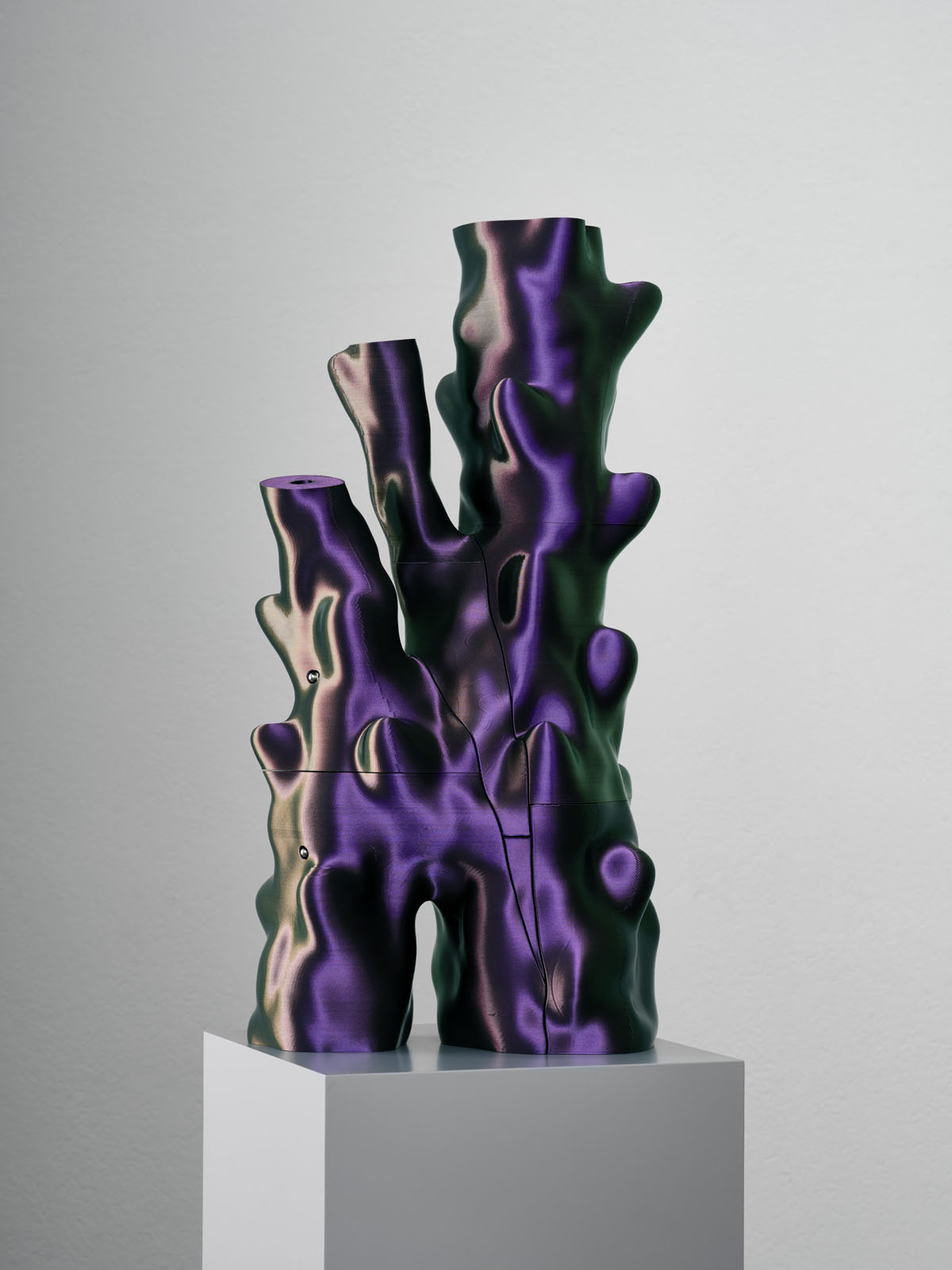
2024
Feeling Forward I
Relief
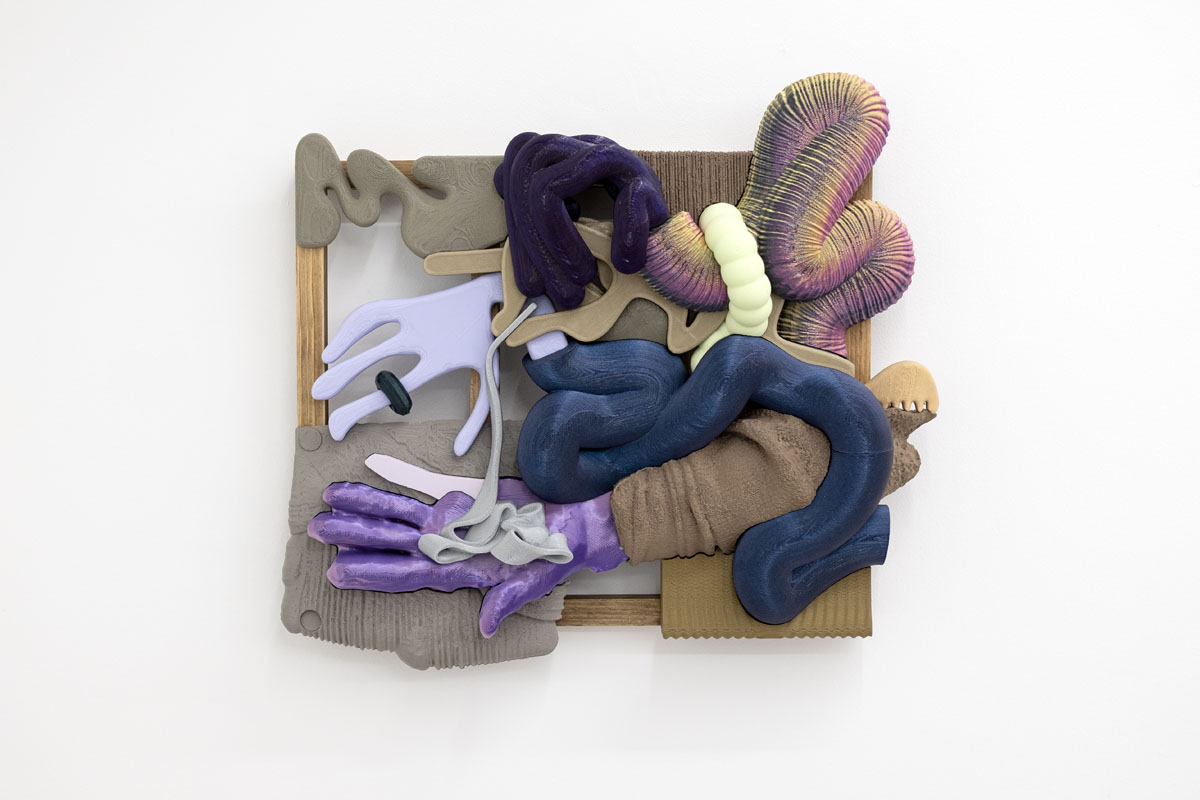
2024
Feeling Forward II
Glass Etch
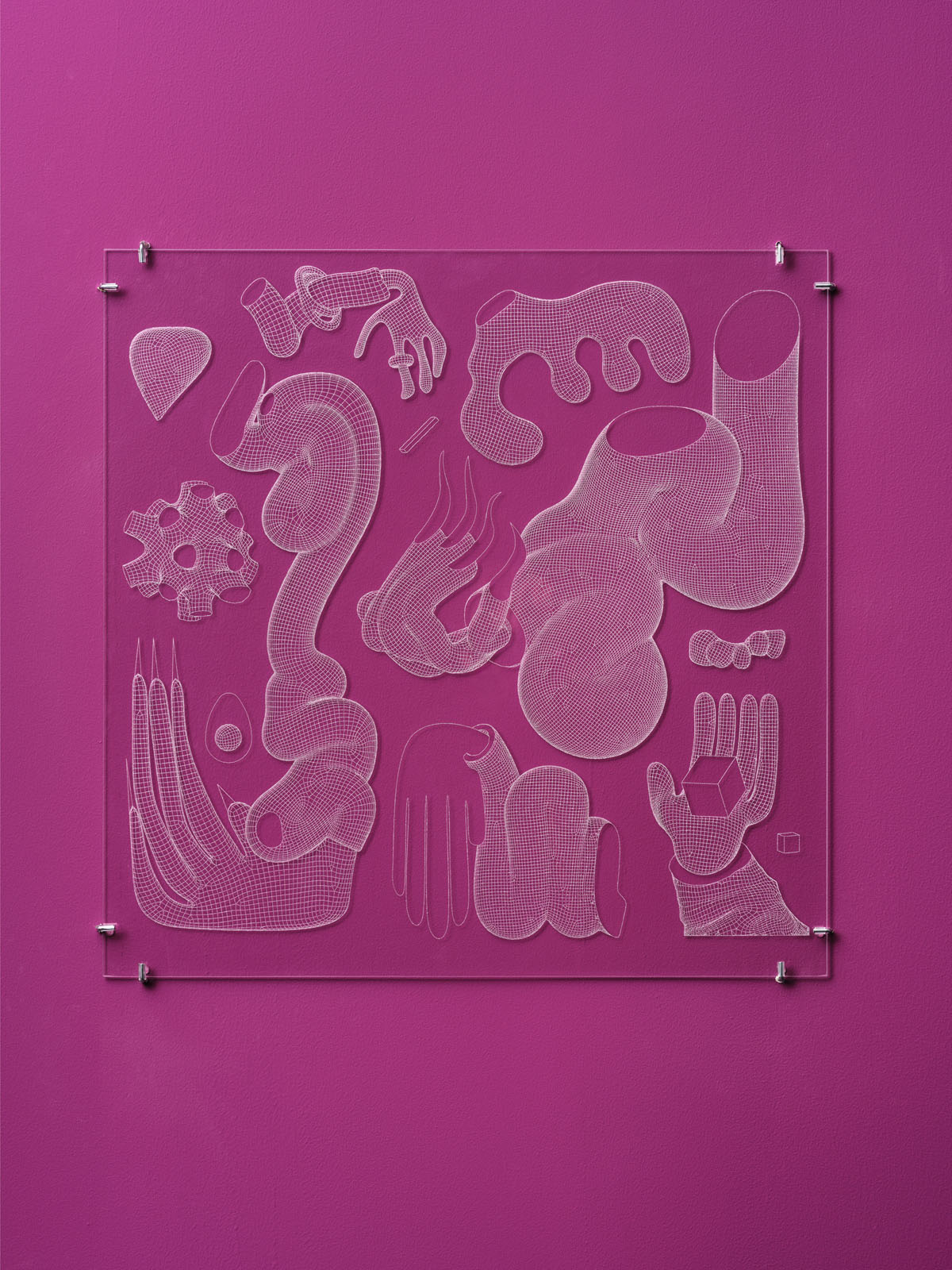
2024
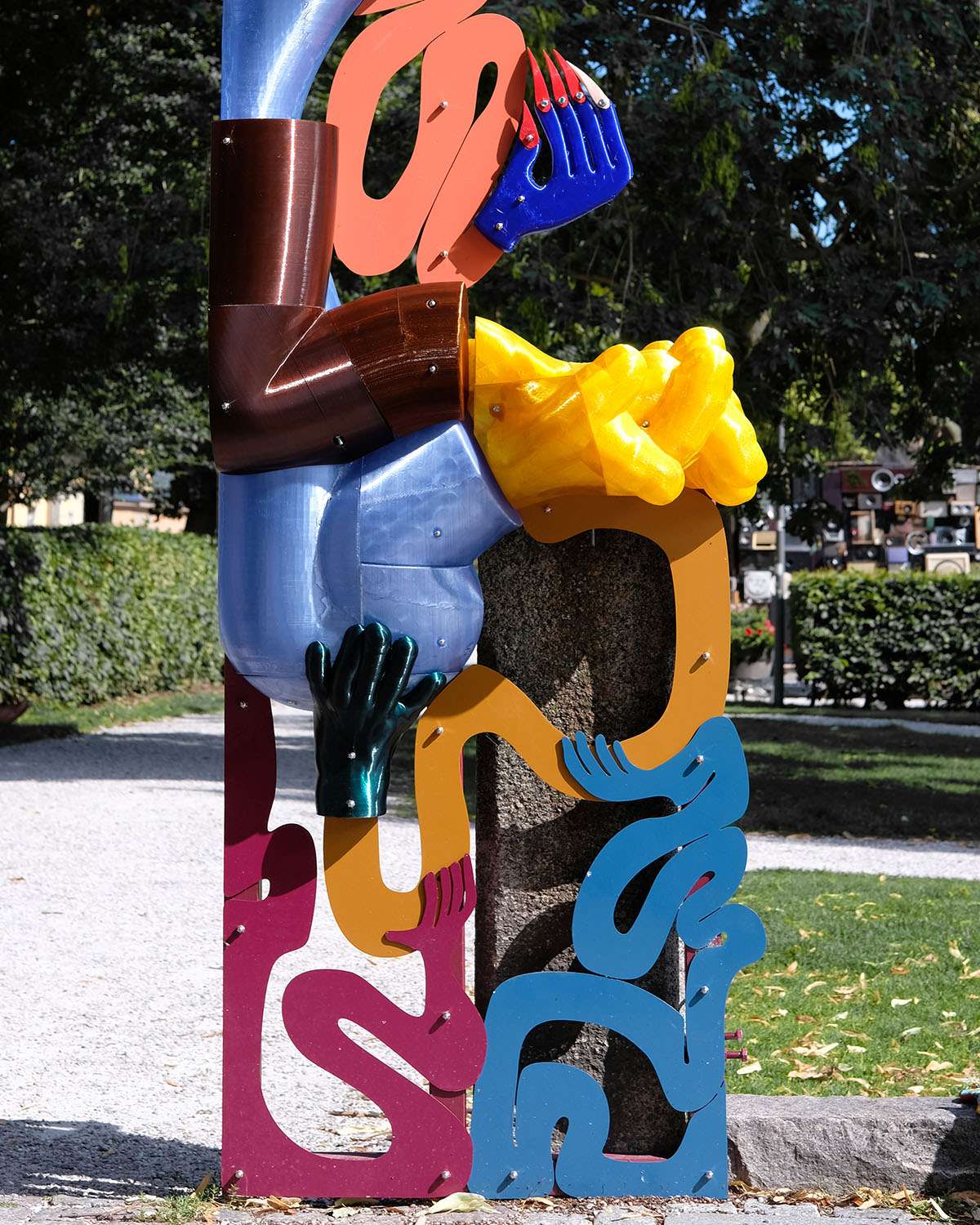
Hand in Hand
Installation, Public Art
2023
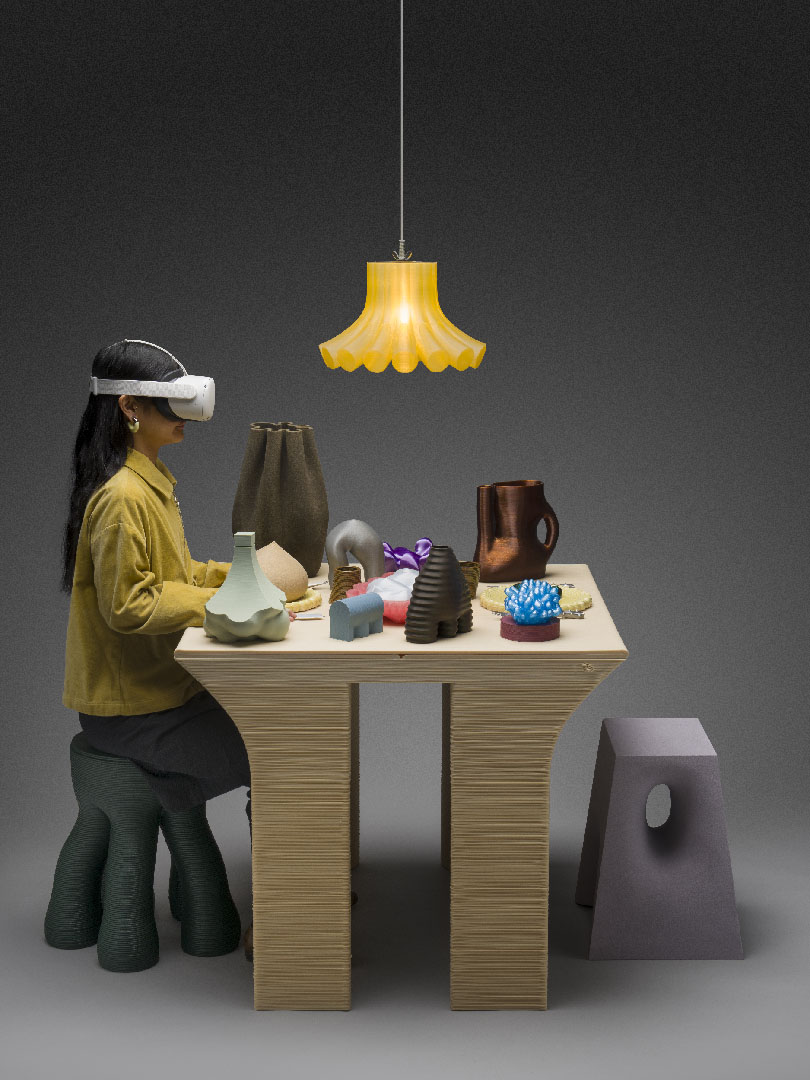
The Liminal Eatery
Interactive Installation
2023
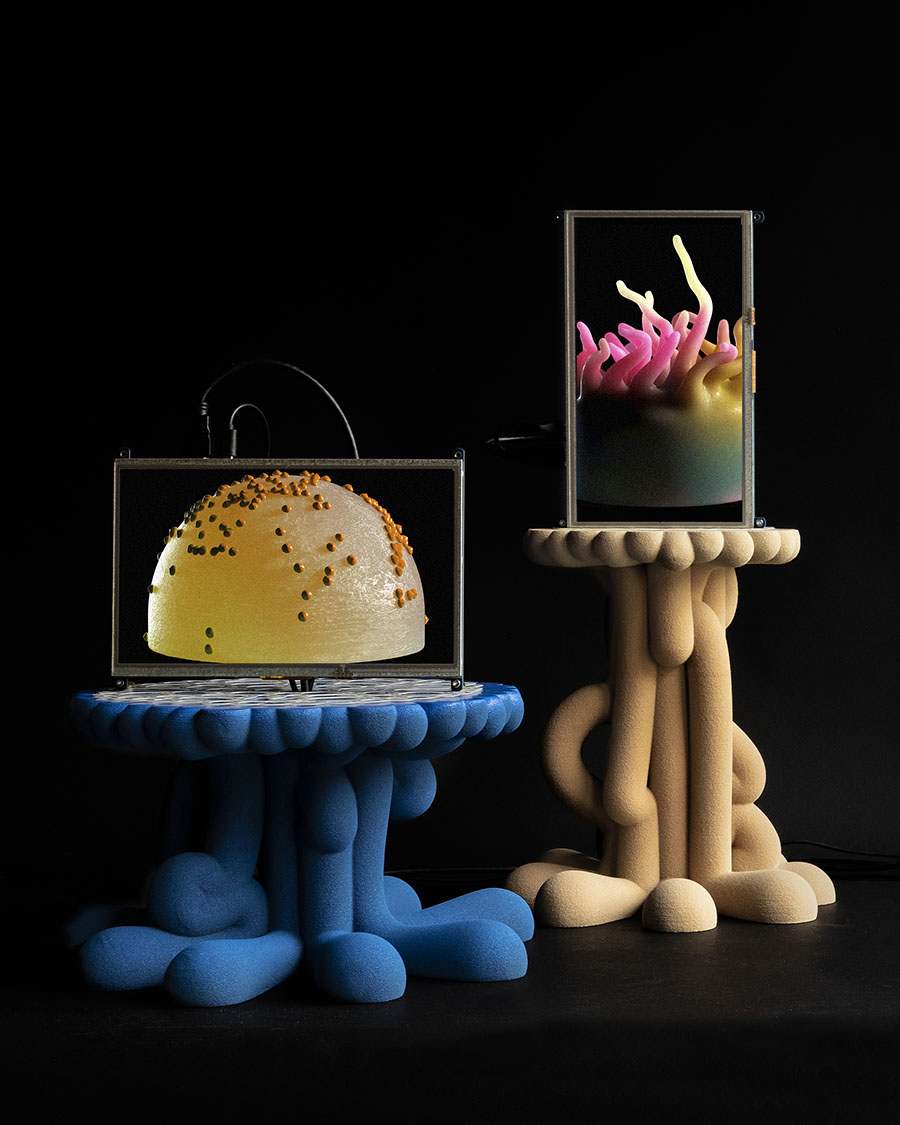
Digital Indulgence
Sculpture
2023
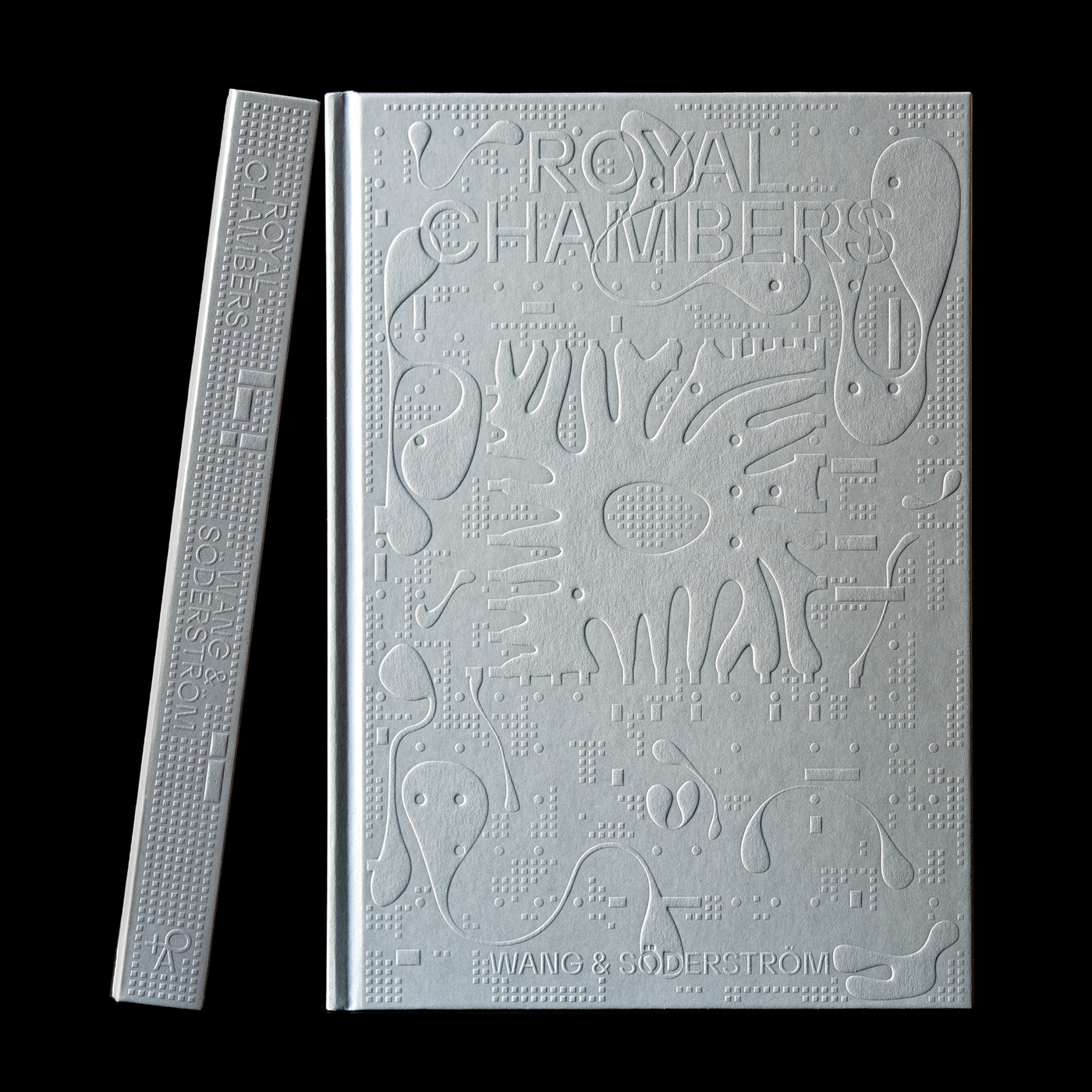
Royal Chambers - Book
Publication
2023
Handling
Digital Imagery
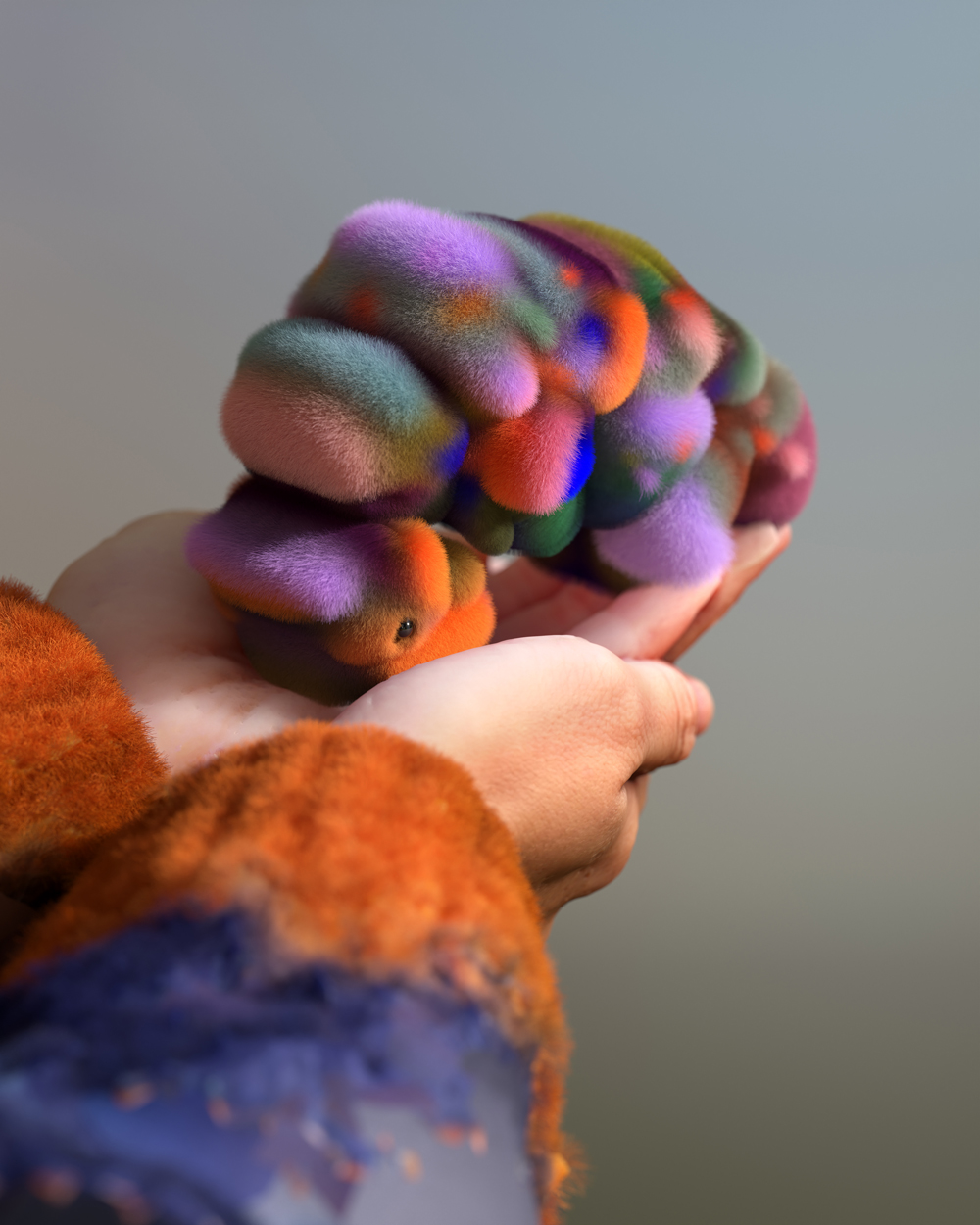
2023
Synthetic Crops II
Digital Imagery
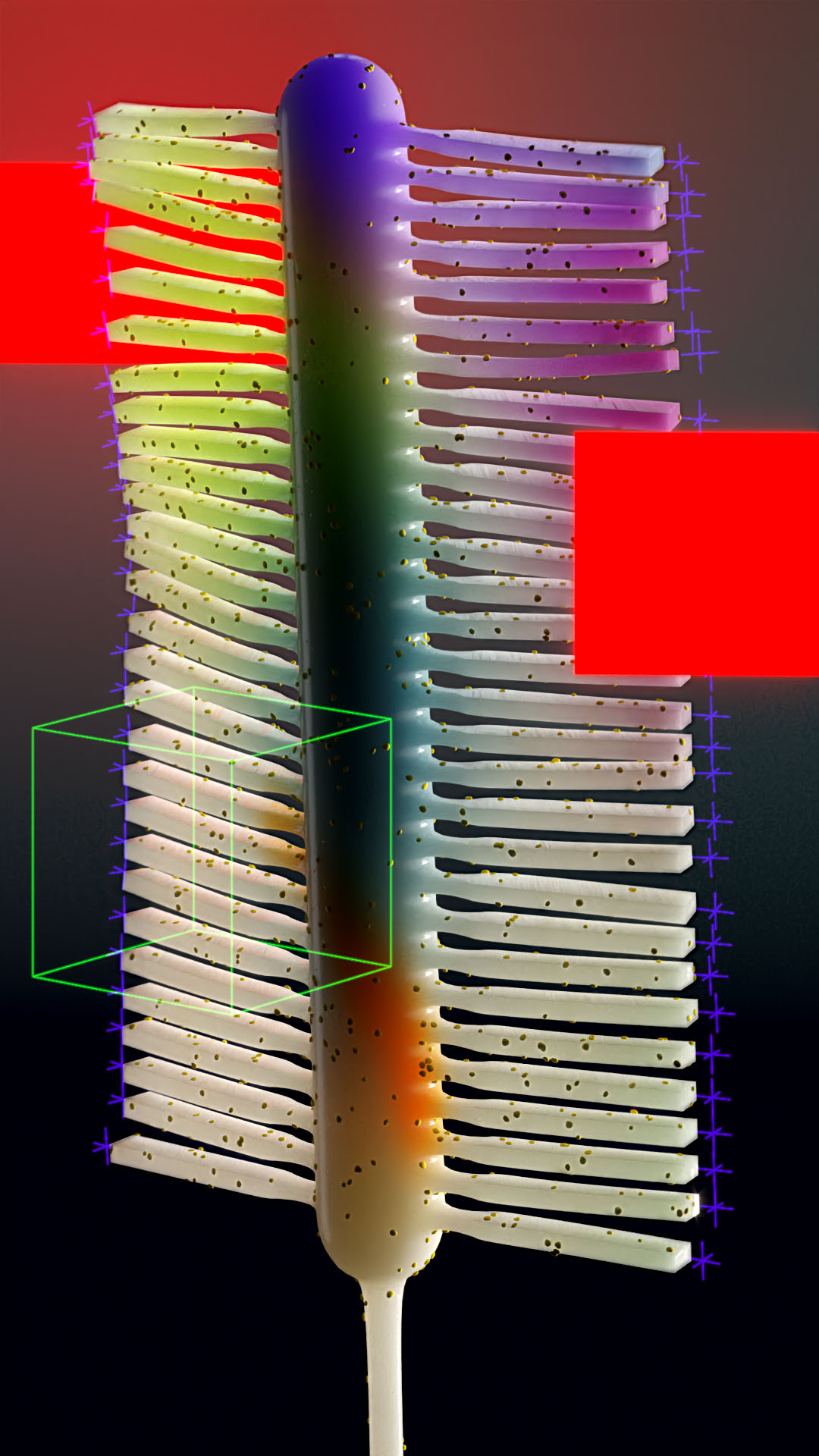
2022
Royal Chambers
Solo Exhibition
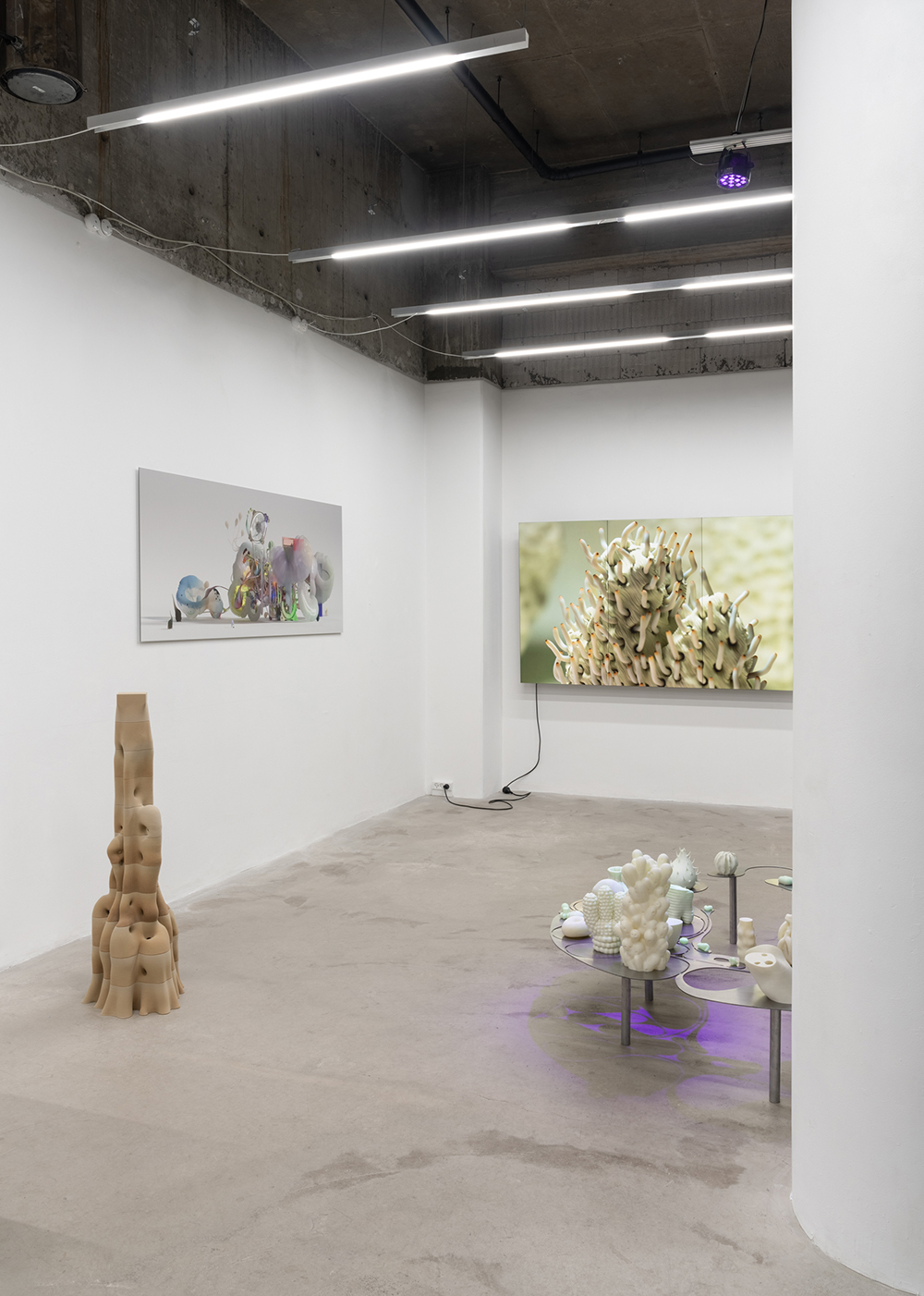
2022
Wh331 0f 1!f3
Video Installation
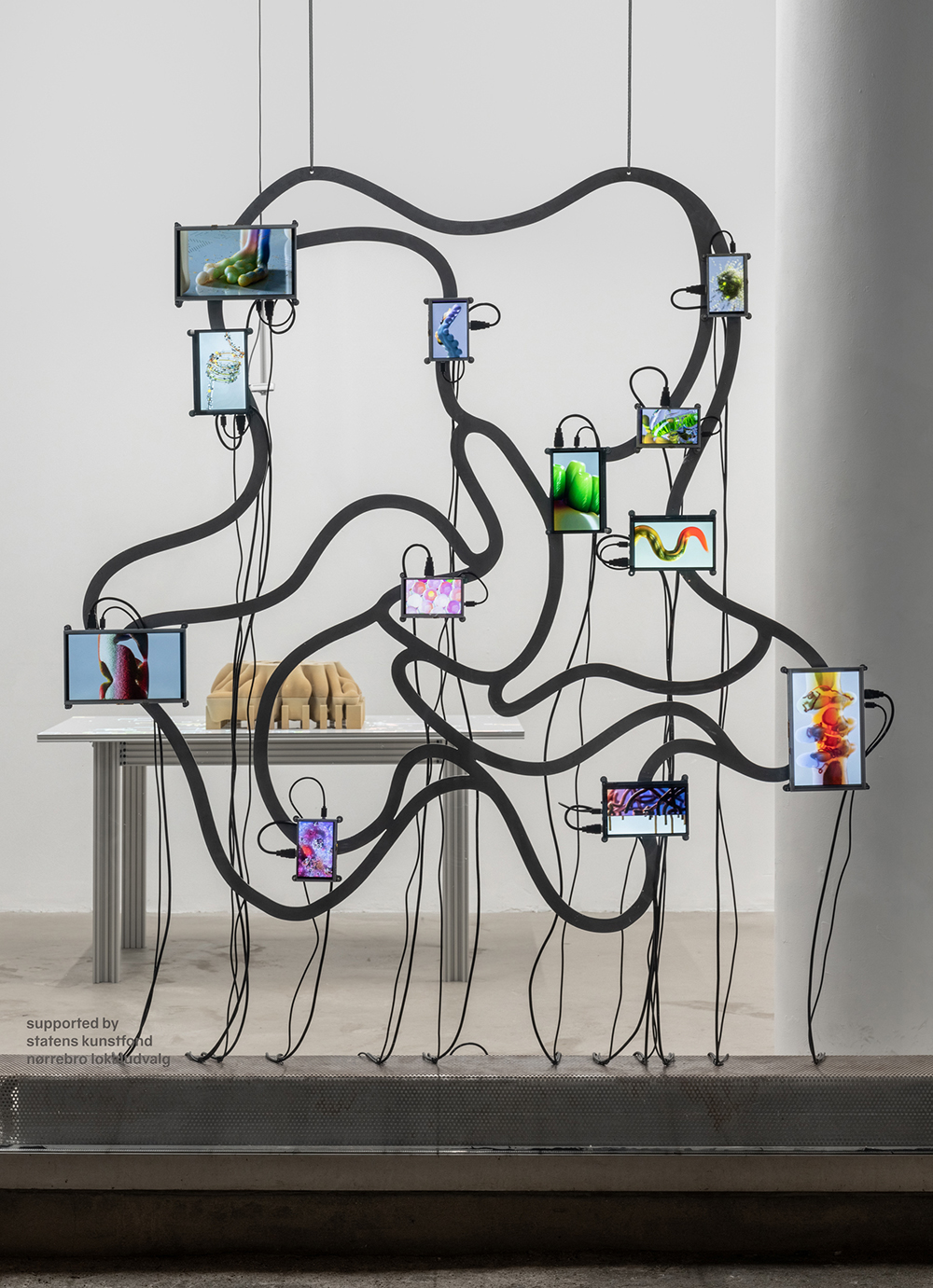
2022
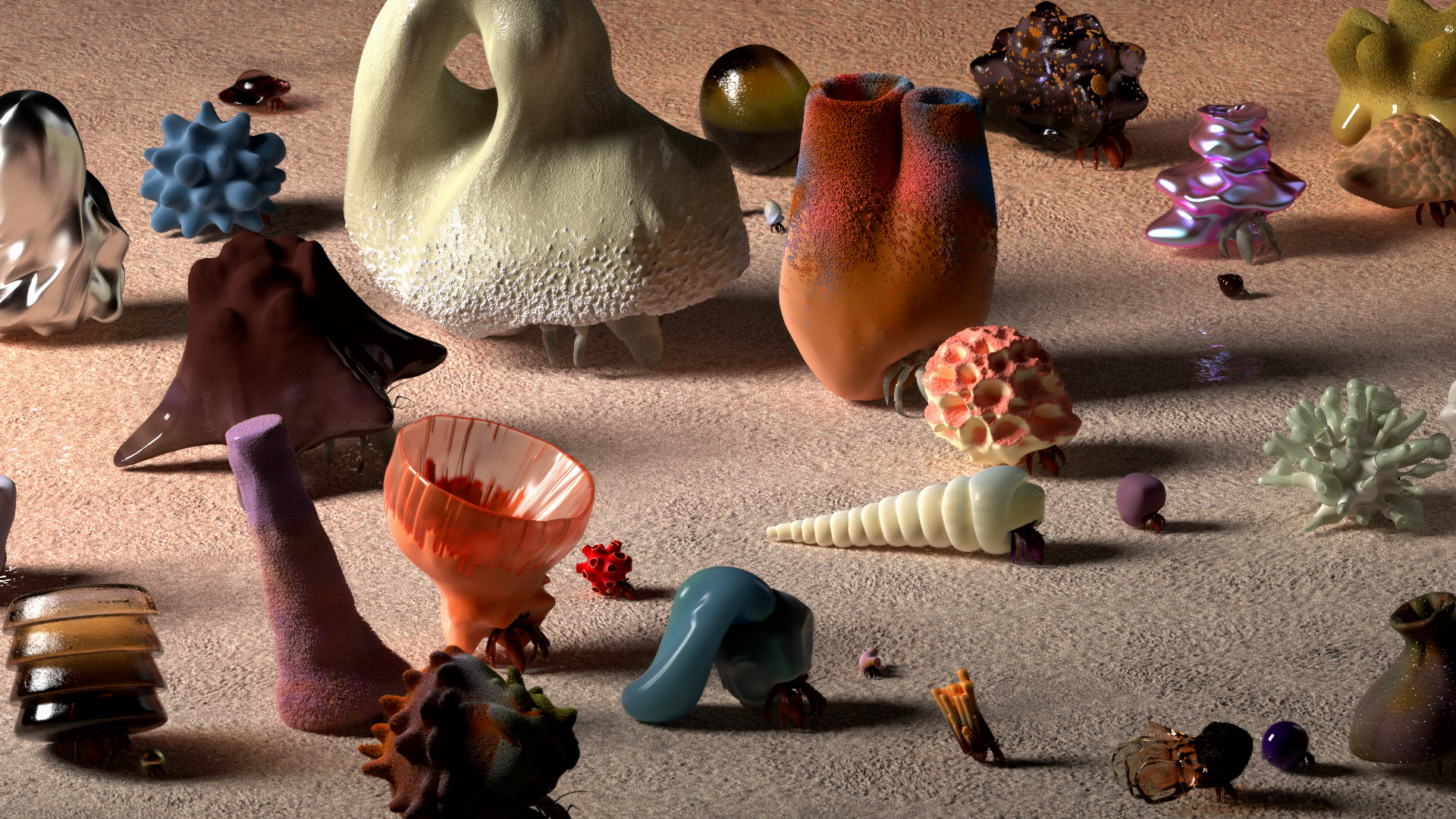
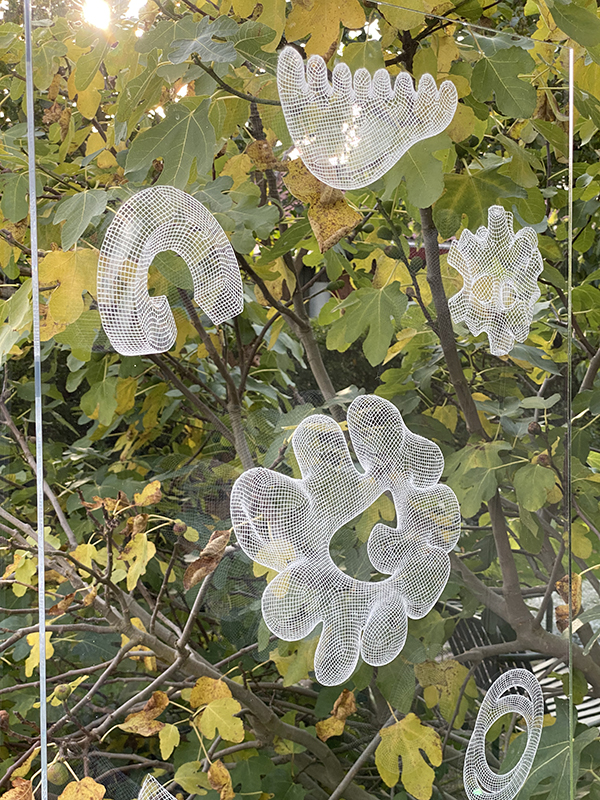
Rehousing Technosphere
Animation
2022
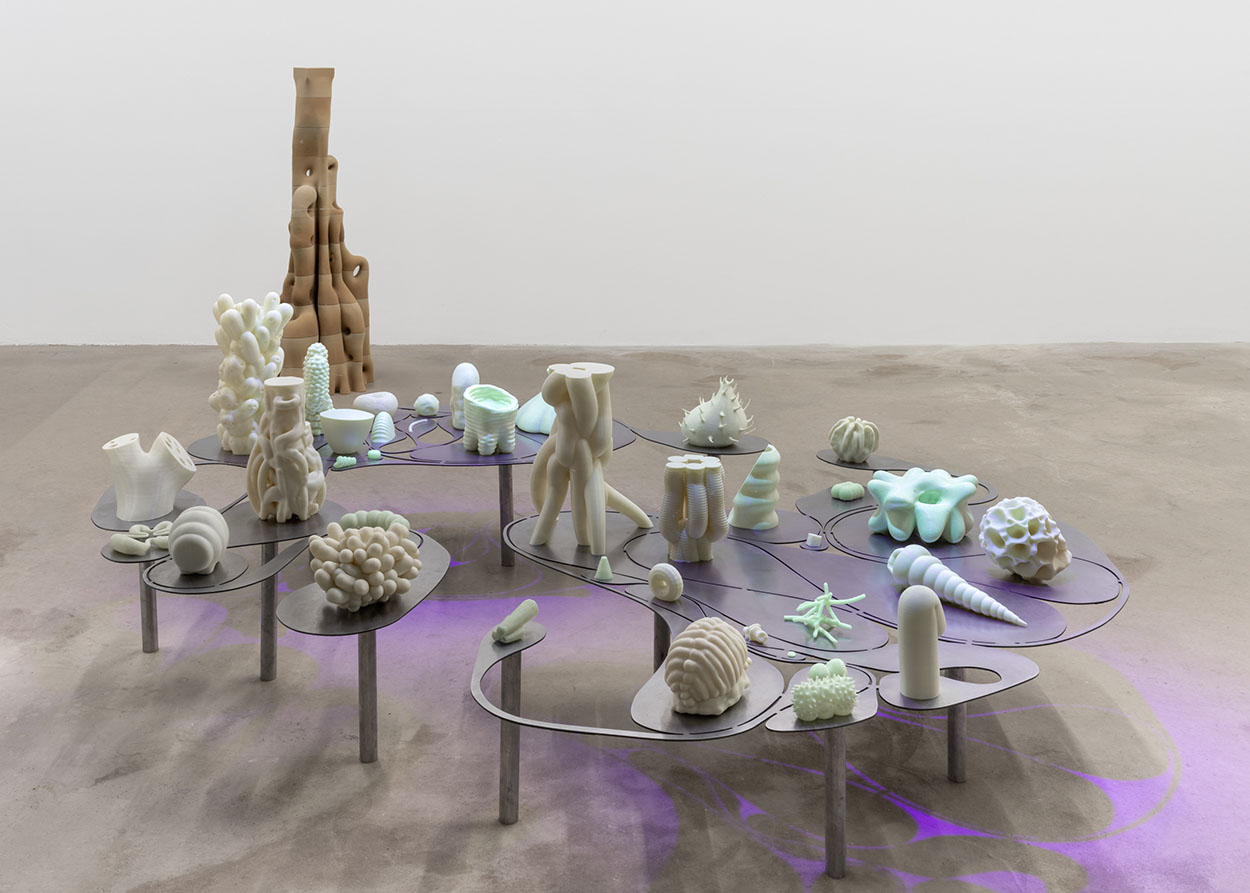
Between Earth and Cloud
Sculptural Installation
2022
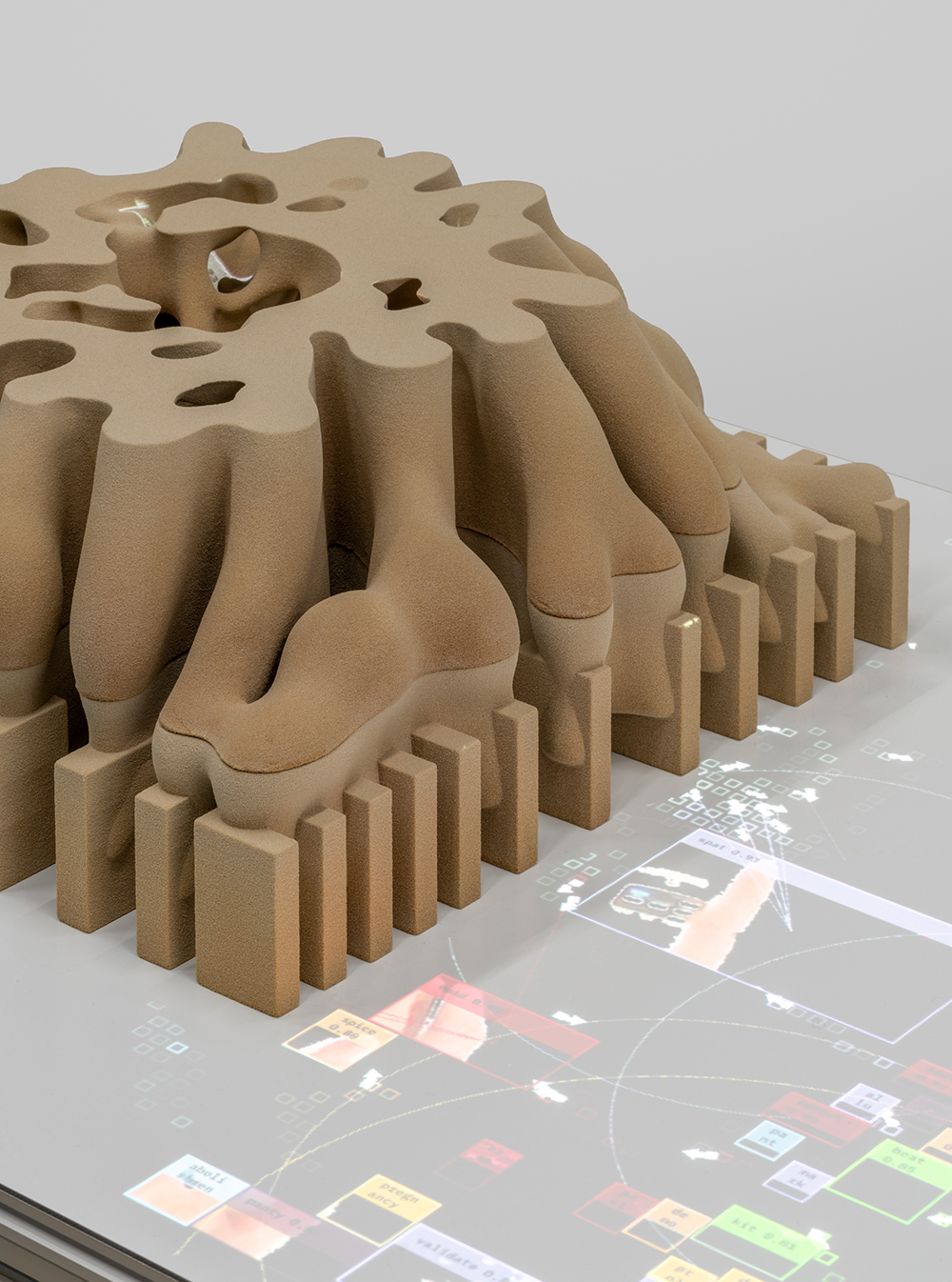
Nest of You
Interactive Installation
2022
Abiogenesis
Digital Print
Show More ︎︎︎


© 2016 —
2026 Wang & Söderström

The Liminal Eatery II
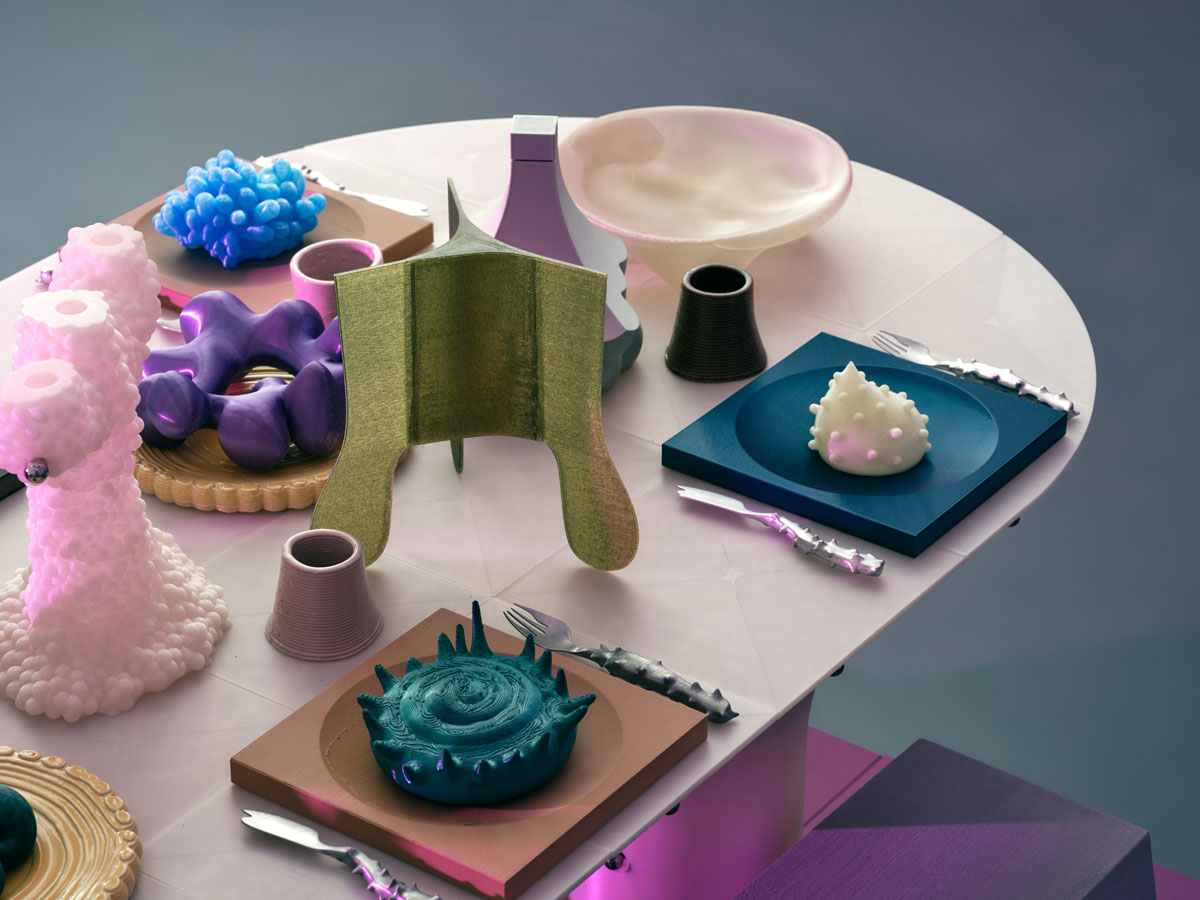
Year: 2025
Interactive Installation
Technique: Digital sculpting, 3D printing, 3D animation, real-time 3D simulation Material: Recycled polylactic acid biobased plastic (rPLA), polylactic acid biobased plastic (PLA), rPP/biocomposite of wood fibers and recycled polymer from the fishing industry (Ocean rPPGF), quartz sand, binder, pigment, recycled thermoplastic polyester (rPETG), resin, aluminium, earthenware, recycled polylactic acid biobased plastic (rPLA) with wood fibres, lava rock, essential oil, depth camera, projectors, audio
Photo by: Carl Ander + Wang & Söderström
Tasting event in collaboration with food artist and designer Josefin Vargö
Interactive Installation
Technique: Digital sculpting, 3D printing, 3D animation, real-time 3D simulation Material: Recycled polylactic acid biobased plastic (rPLA), polylactic acid biobased plastic (PLA), rPP/biocomposite of wood fibers and recycled polymer from the fishing industry (Ocean rPPGF), quartz sand, binder, pigment, recycled thermoplastic polyester (rPETG), resin, aluminium, earthenware, recycled polylactic acid biobased plastic (rPLA) with wood fibres, lava rock, essential oil, depth camera, projectors, audio
Photo by: Carl Ander + Wang & Söderström
Tasting event in collaboration with food artist and designer Josefin Vargö
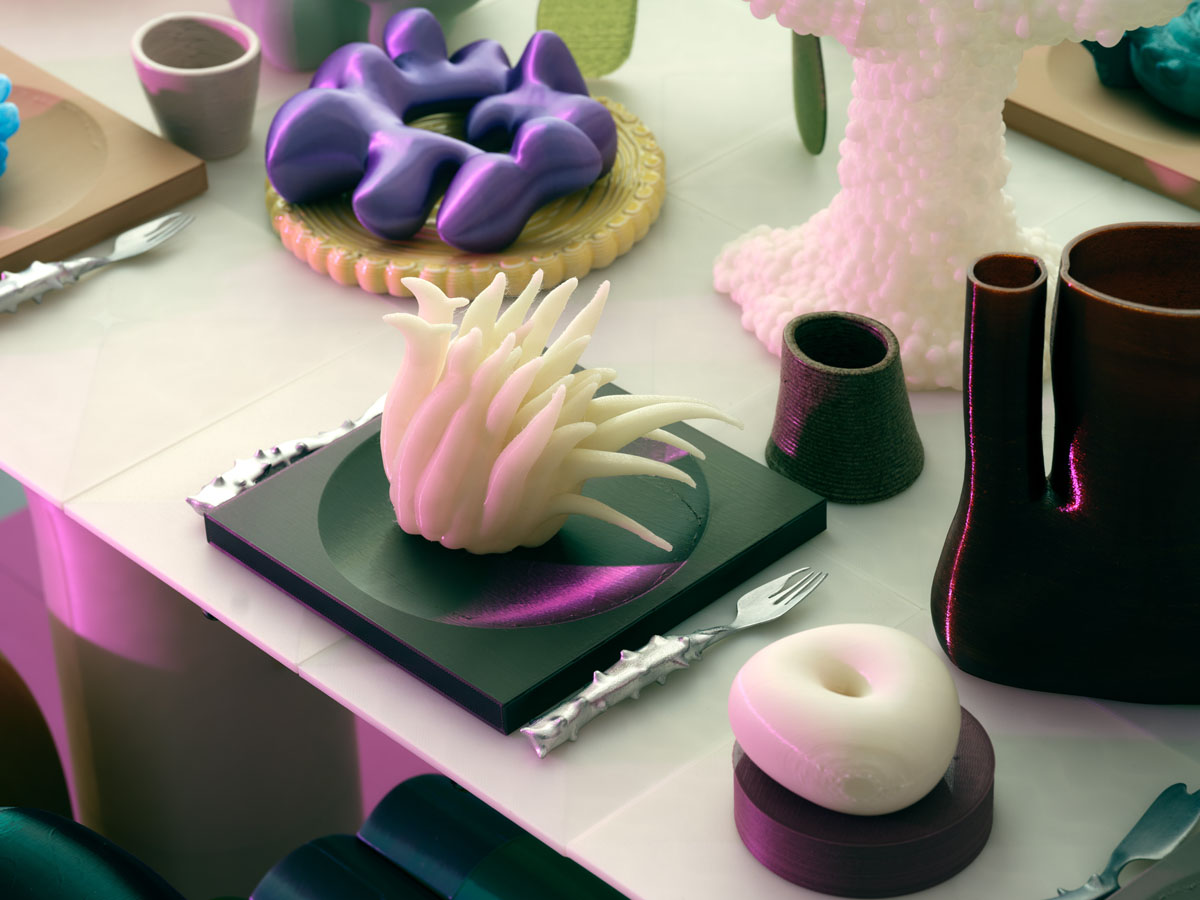
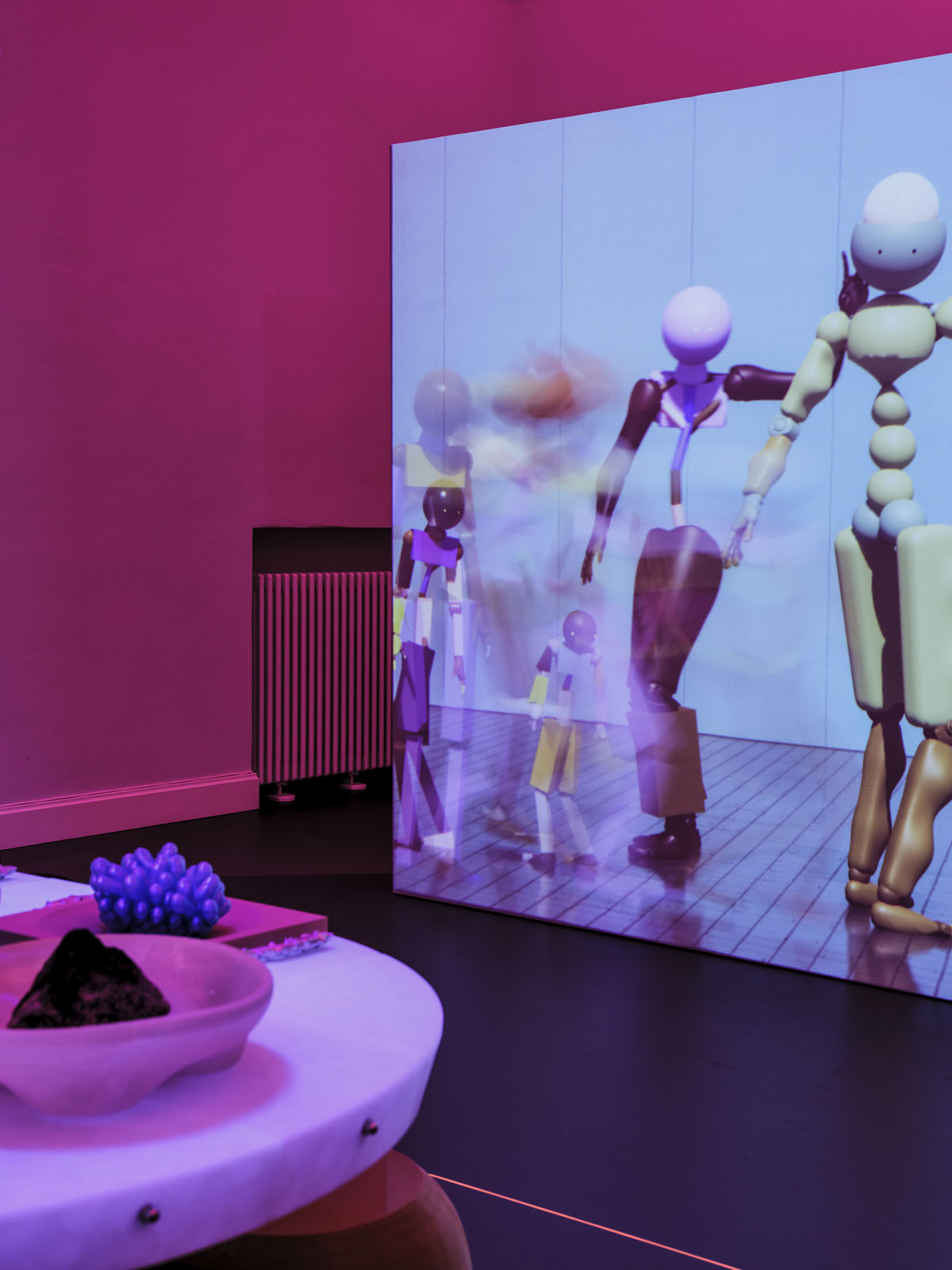
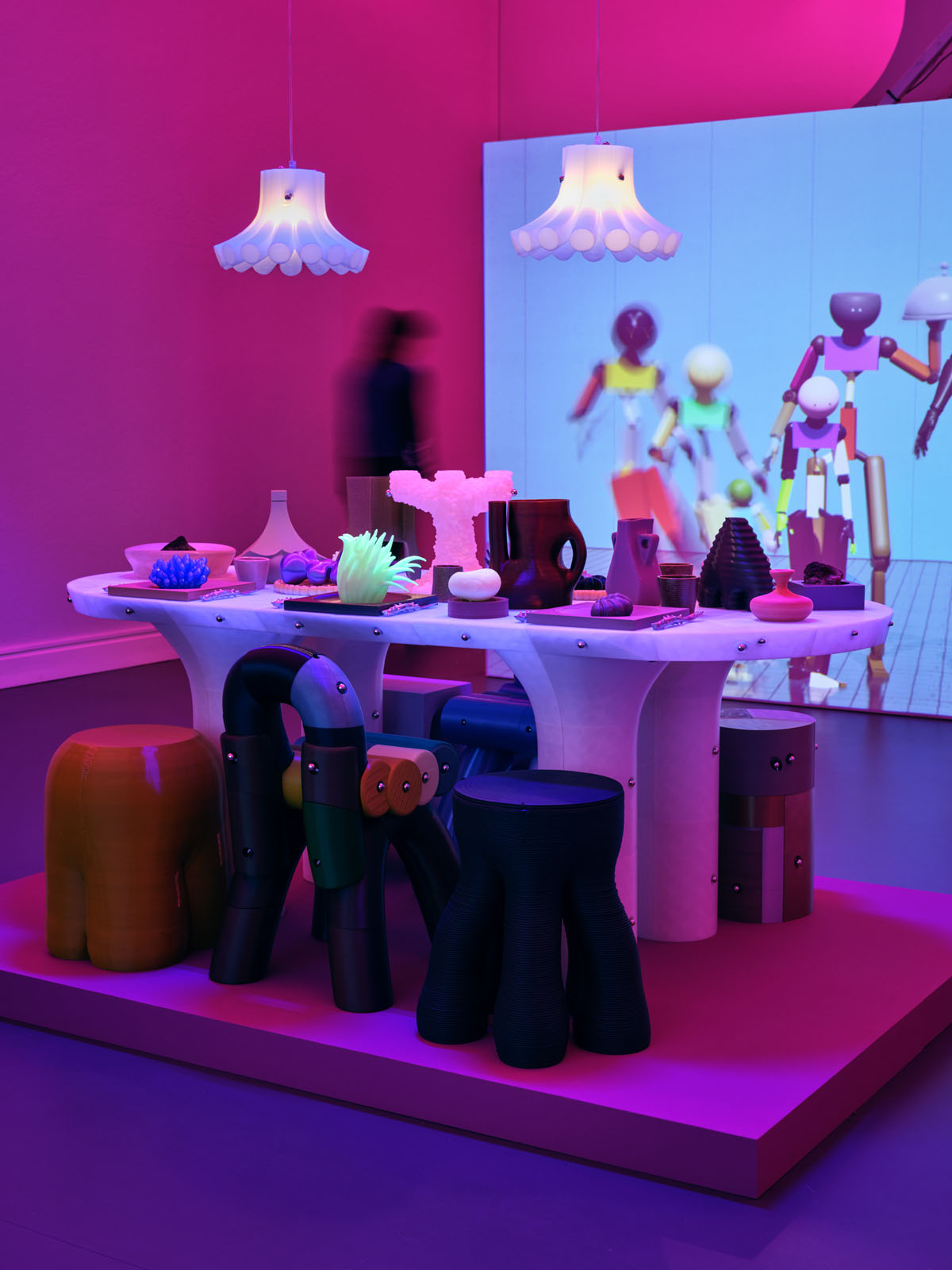
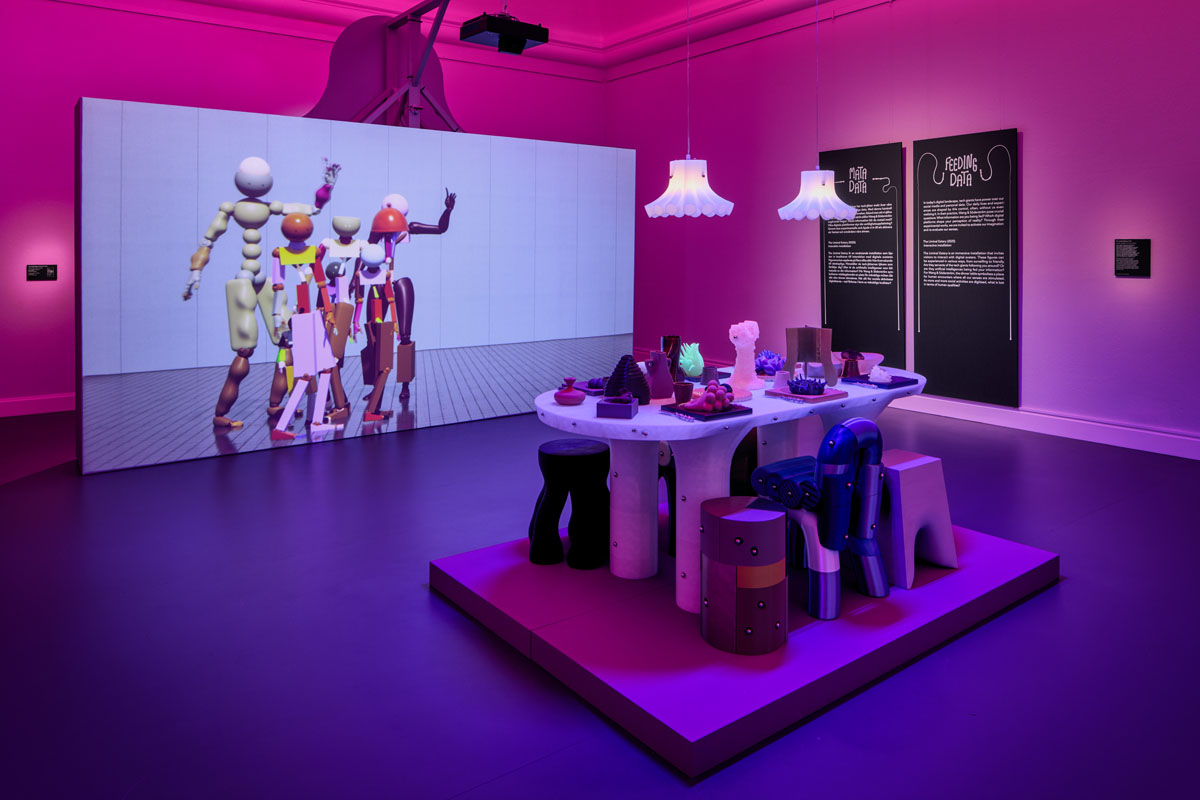
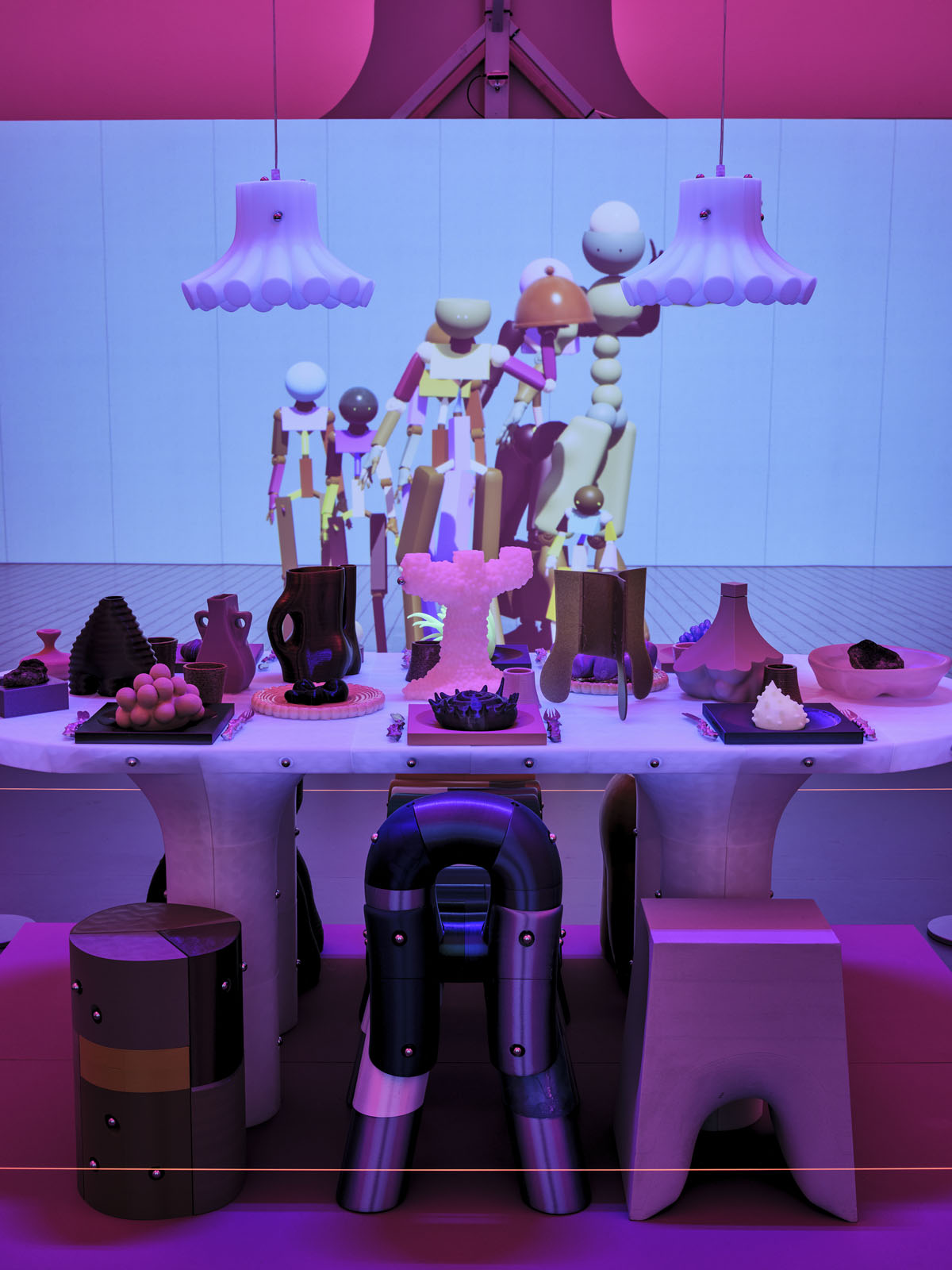
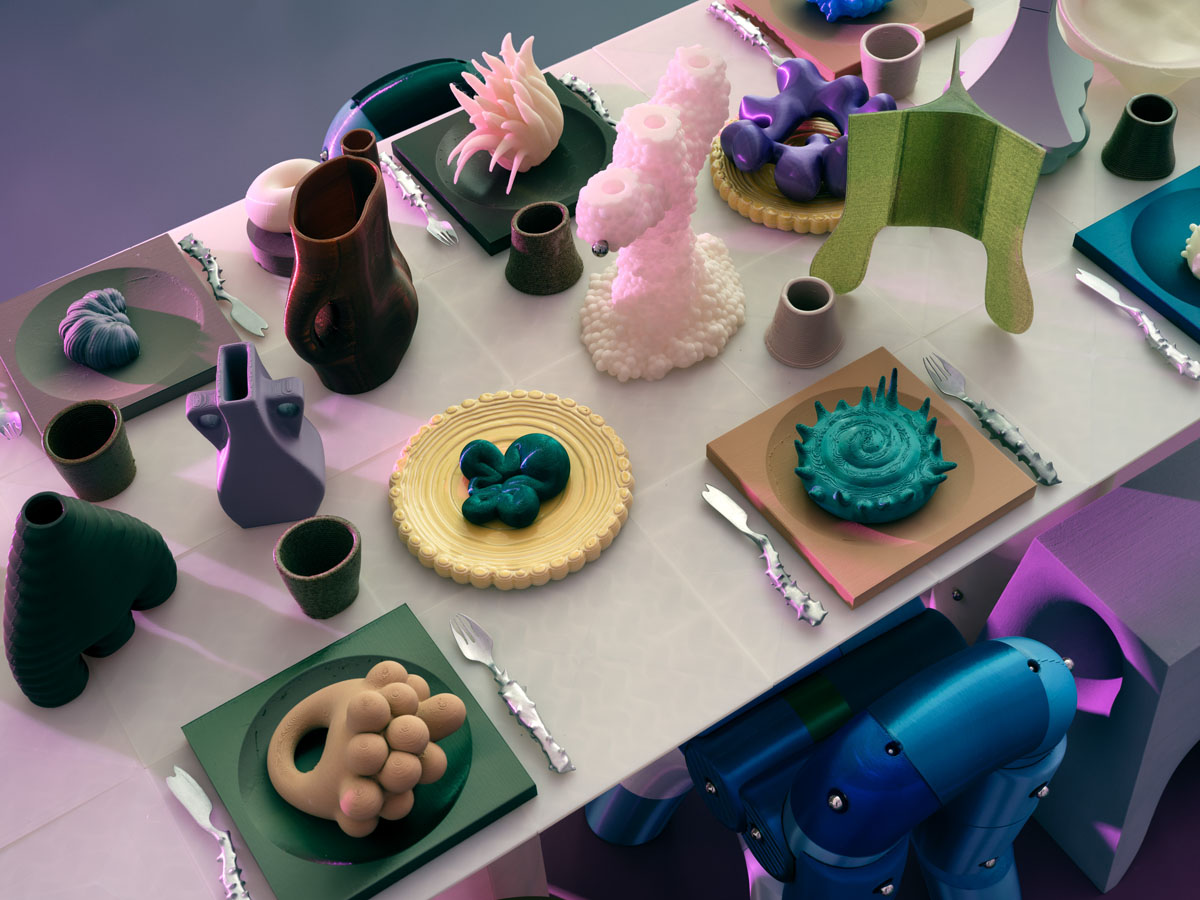
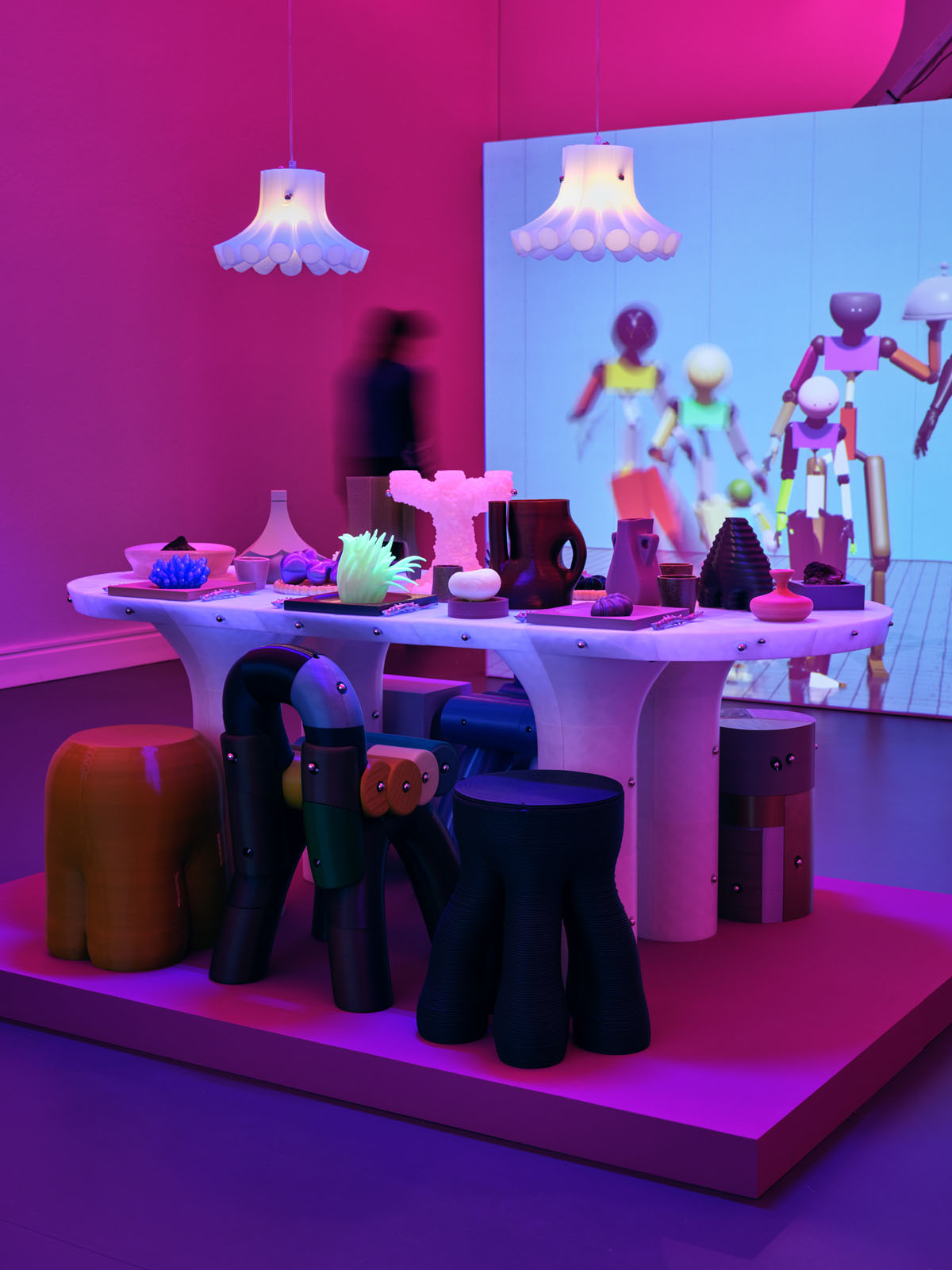
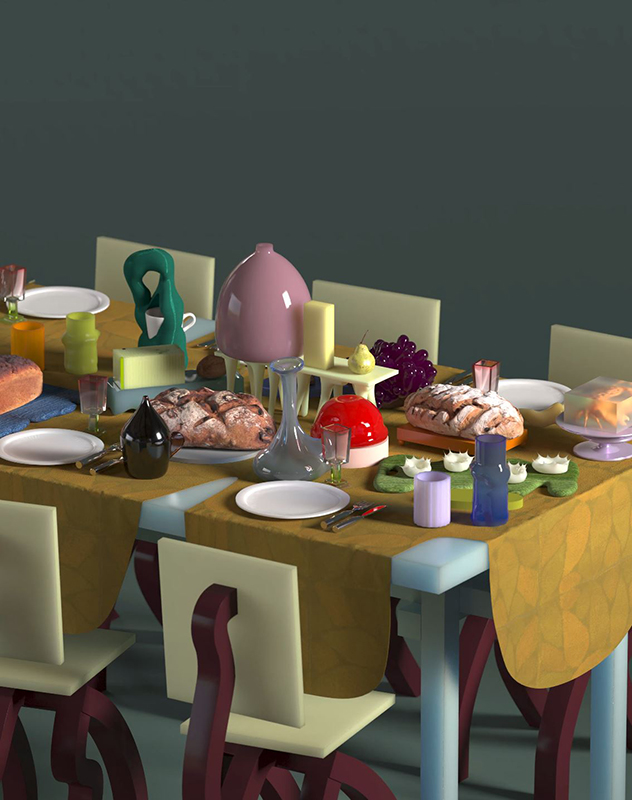
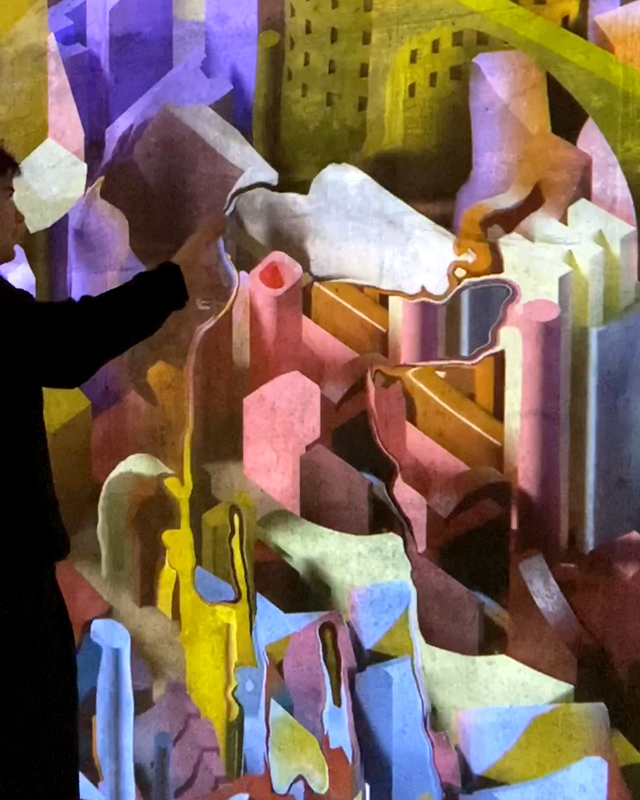
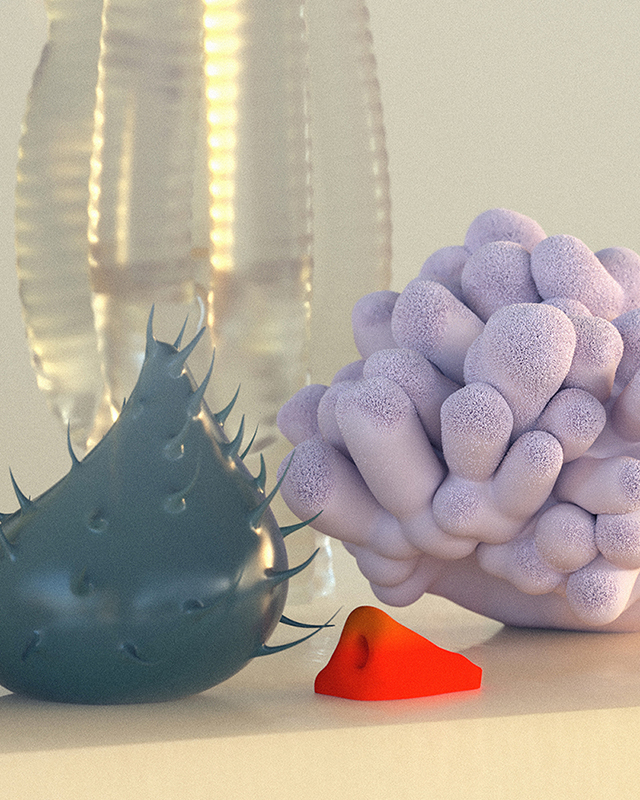
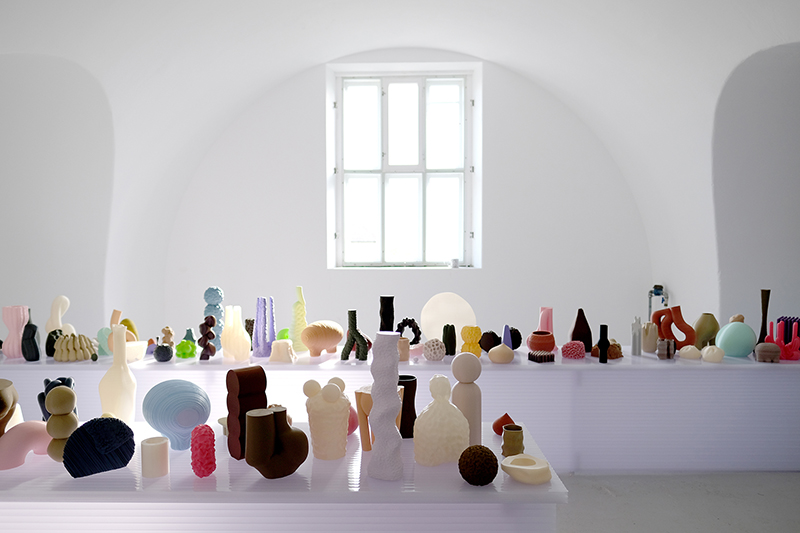
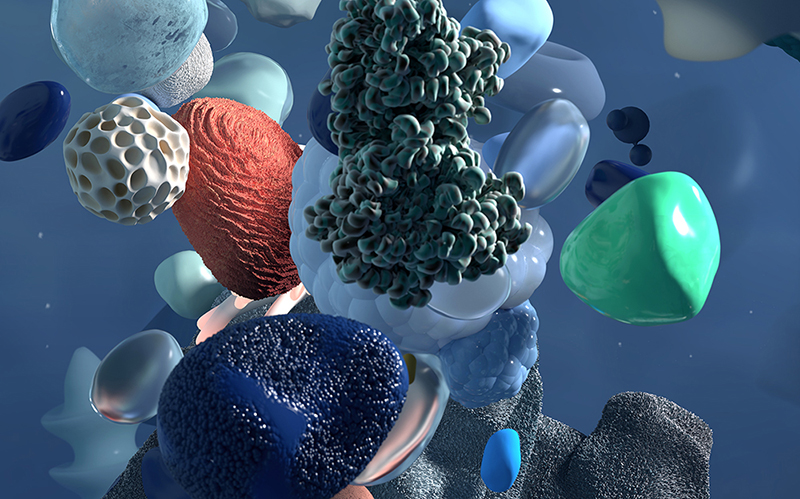
The Liminal Eatery is an immersive installation that invites visitors to interact with digital avatars. These figures can be experienced in various ways, from surveilling to friendly. Are they servants of the tech giants following you around? Or are they artificial intelligences being fed your information? For Wang & Söderström, the dinner table symbolises a place for human encounters where all our senses are stimulated. As more and more social activities are digitised, what is lost in terms of human qualities?
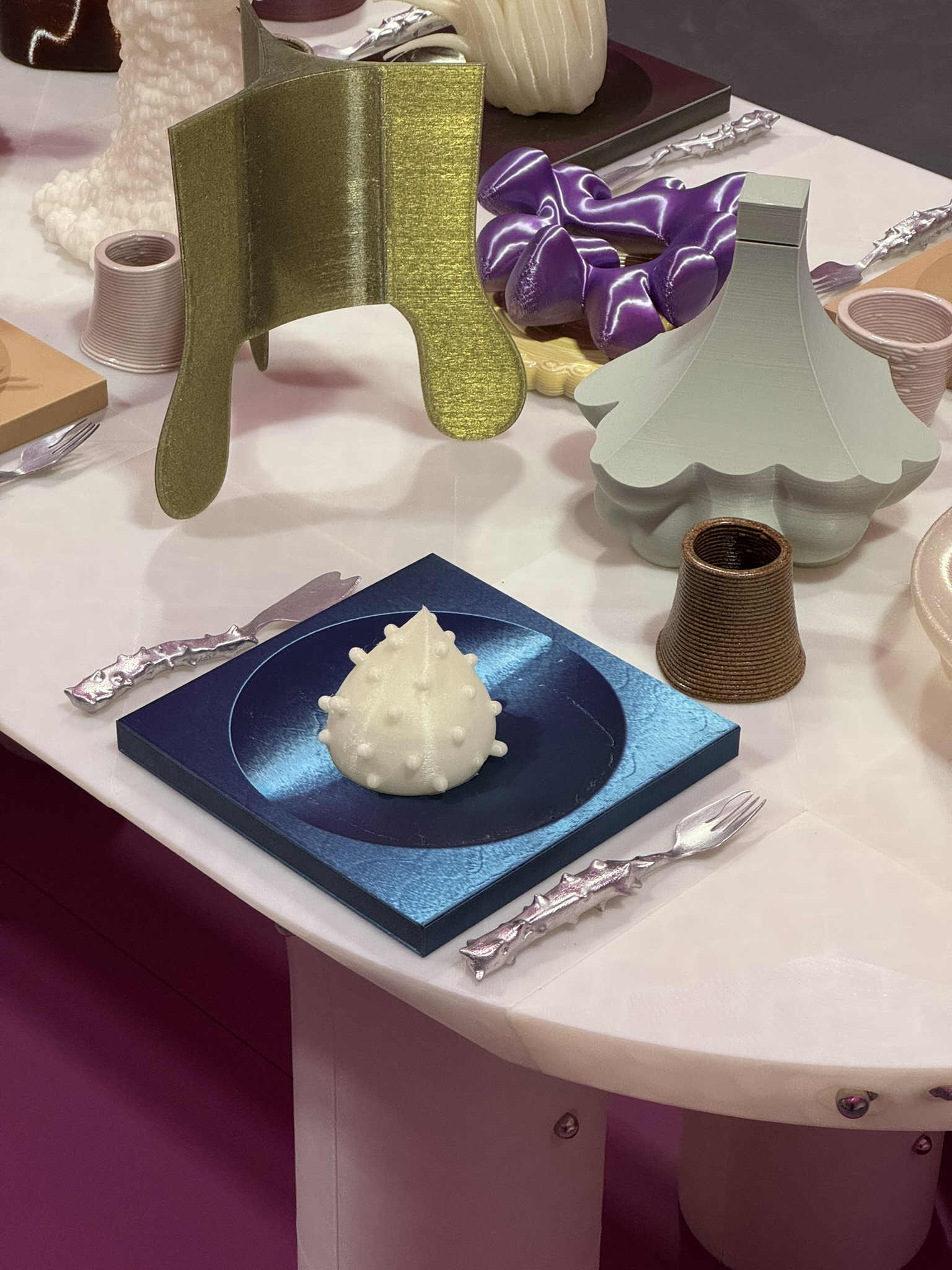
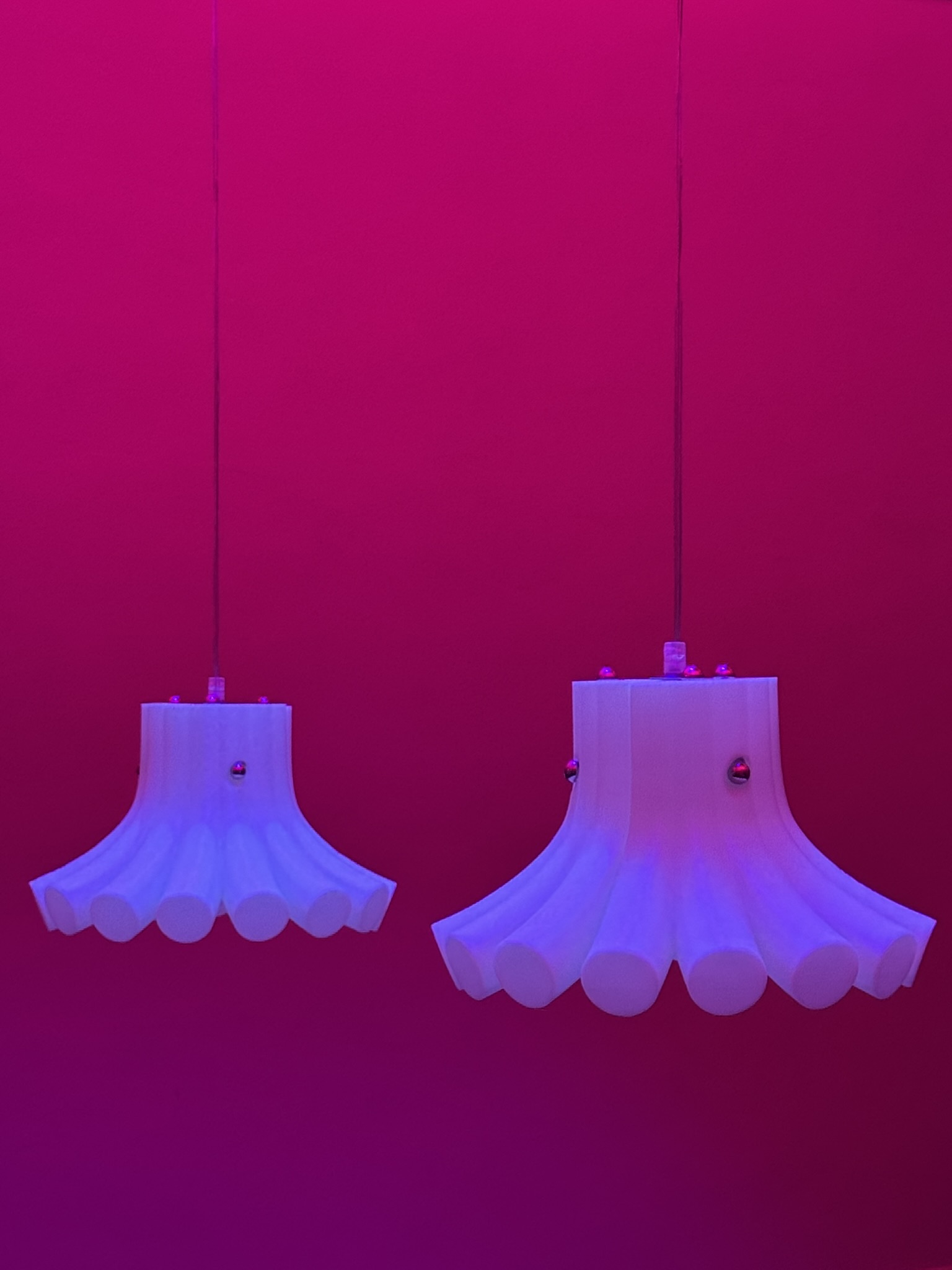
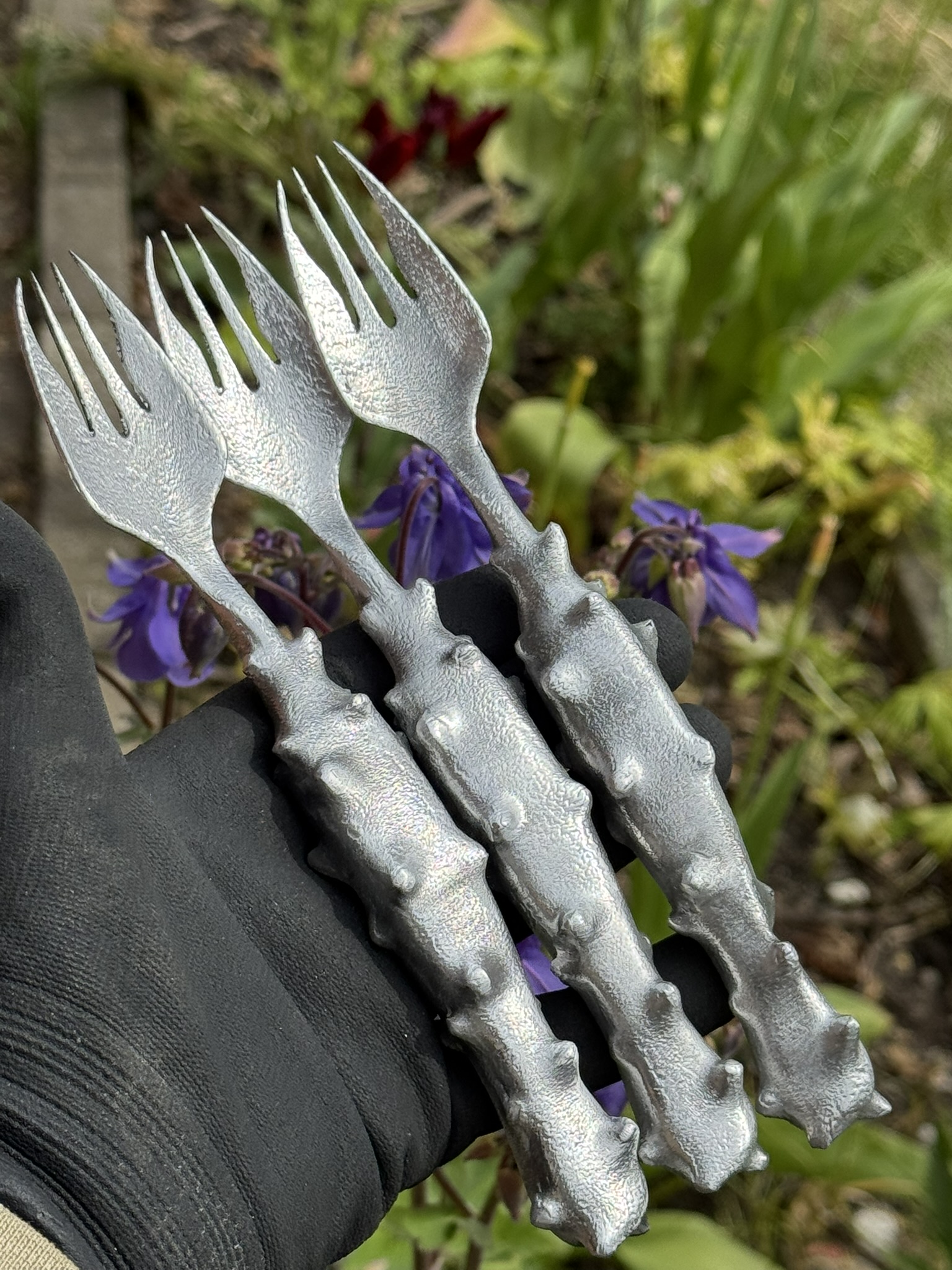
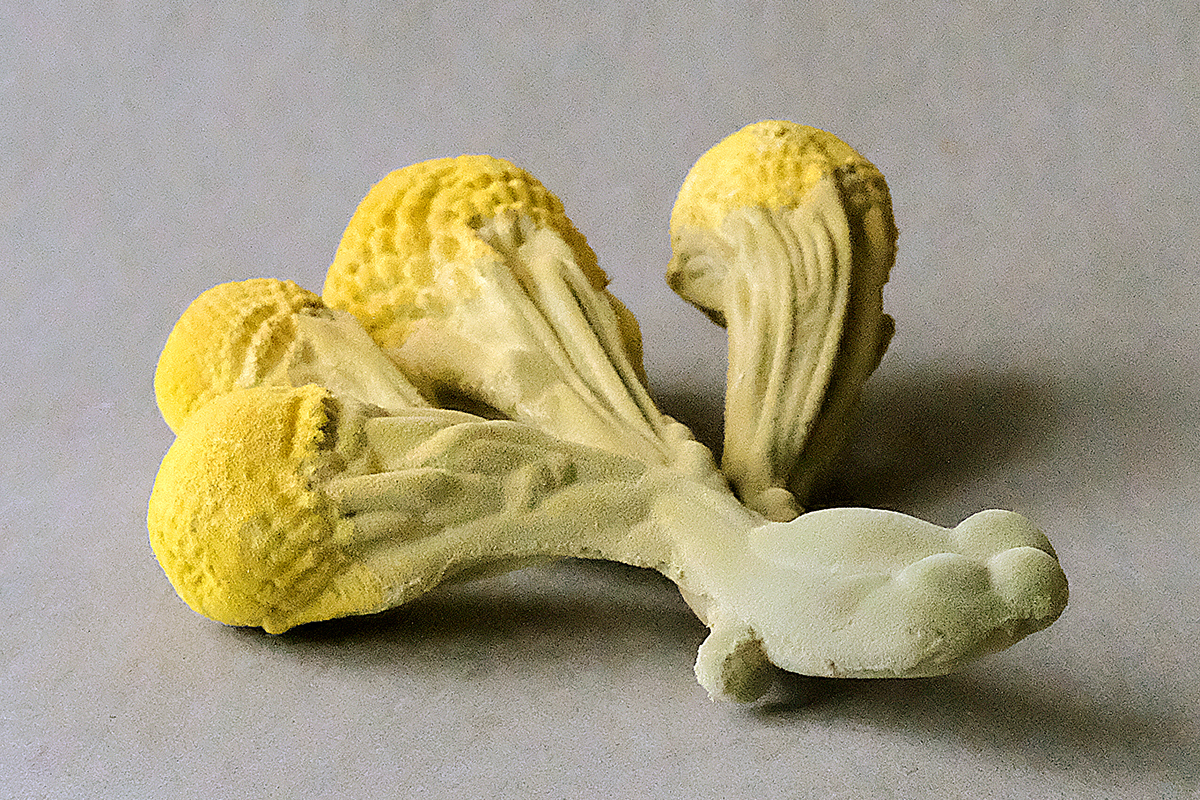
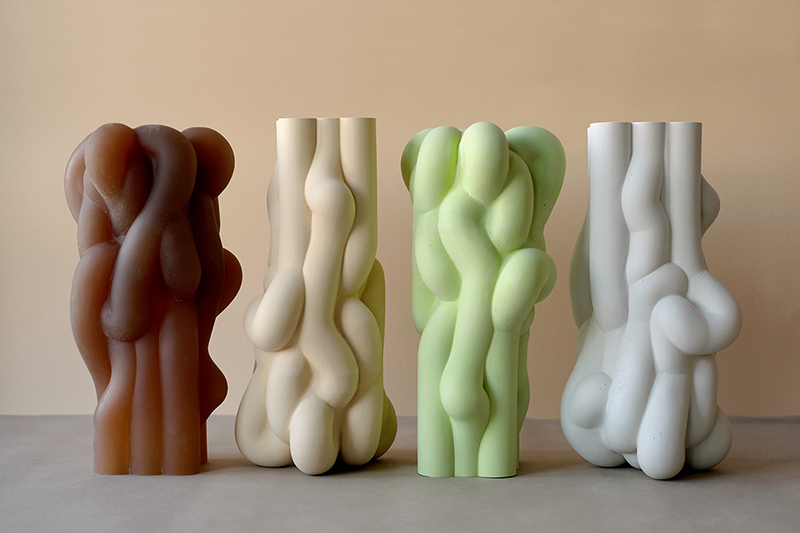
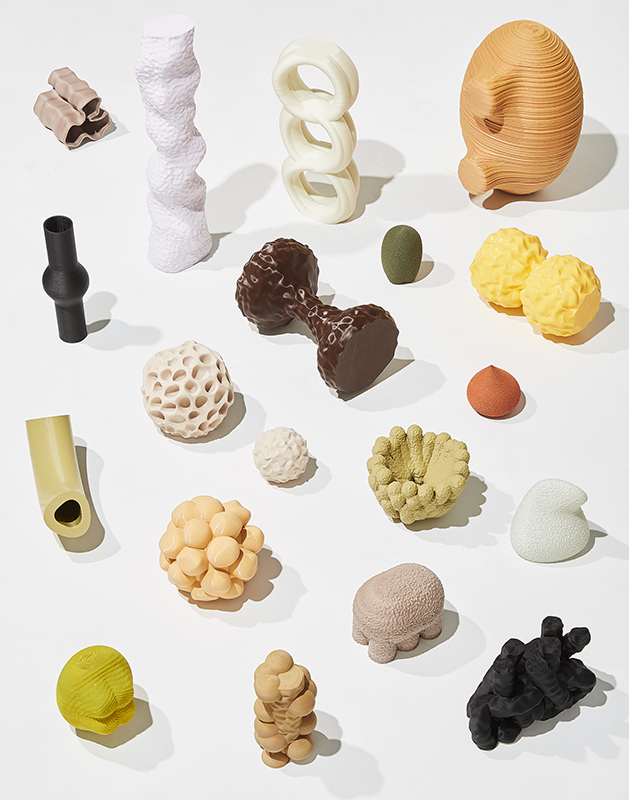
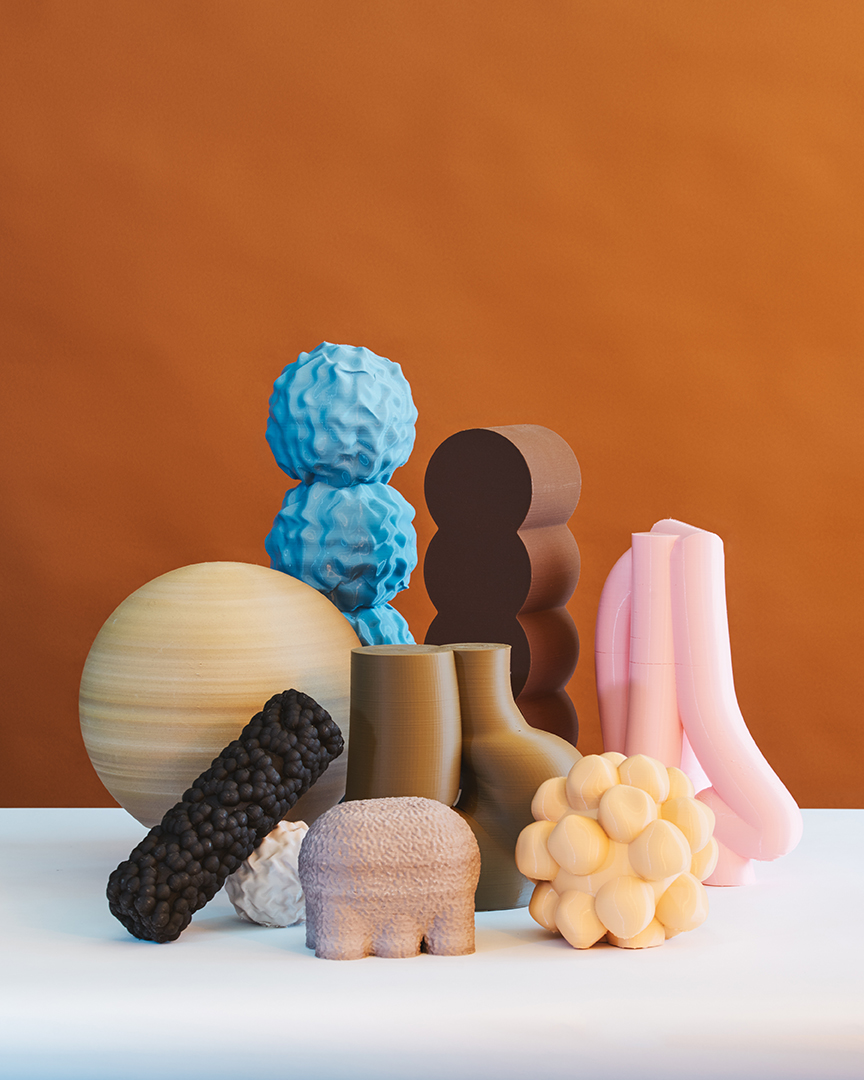
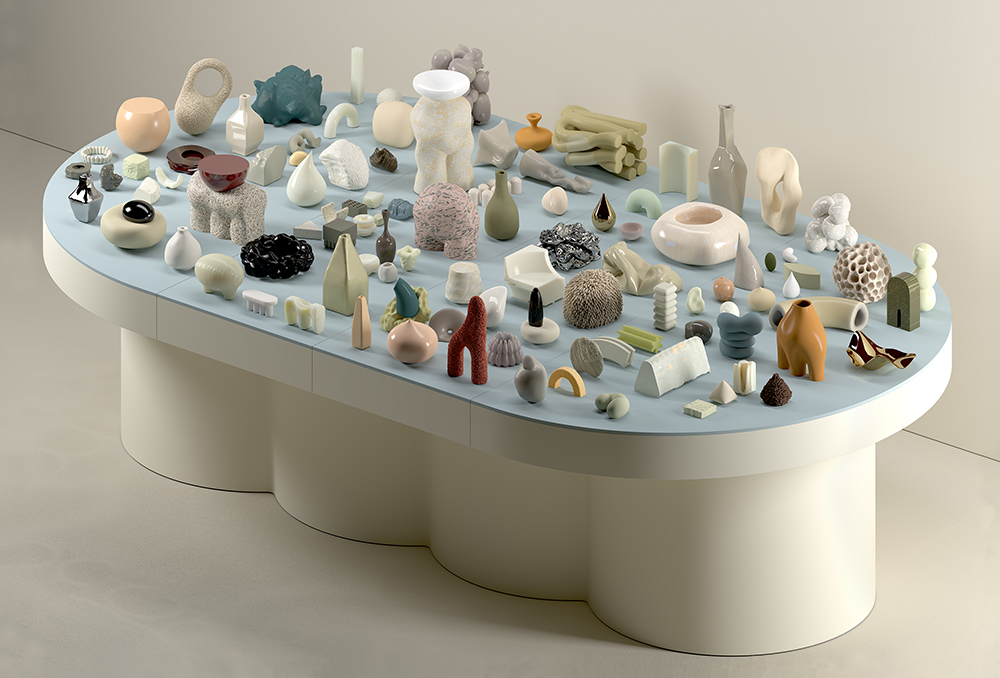
All parts of the installation are 3D printed by Wang & Söderström in both synthetic and organic materials. The table is designed as modules where additional parts can be assembled to form a long table – a place for participation and communal togetherness. The 3D printer was developed initially to streamline prototyping in industrial manufacturing. Wang & Söderström challenge the limits of the 3D printer through unconventional methods and materials in the creation of imaginative spatialities.
All parts of the installation are 3D printed by Wang & Söderström in both synthetic and organic materials. The table is designed as modules where additional parts can be assembled to form a long table – a place for participation and communal togetherness. The 3D printer was developed initially to streamline prototyping in industrial manufacturing. Wang & Söderström challenge the limits of the 3D printer through unconventional methods and materials in the creation of imaginative spatialities.