Wang & Söderström is an artist and design duo investigating the intersections between technology, ecology, and human perception in a changing world.
2025
27 Antennae
Installation, Public Art
2025
Superorganism
Installation, Public Art

2025
Sharp Feelers – Soft Antennas
Solo Exhibition
2025
The Liminal Eatery II
Interactive installation
2025
Känselspröt (Feelers)
Tapestry

2025
5+sinnen (5+senses)
Folding Screen

2025
Sense Machine
Installation, Public Art
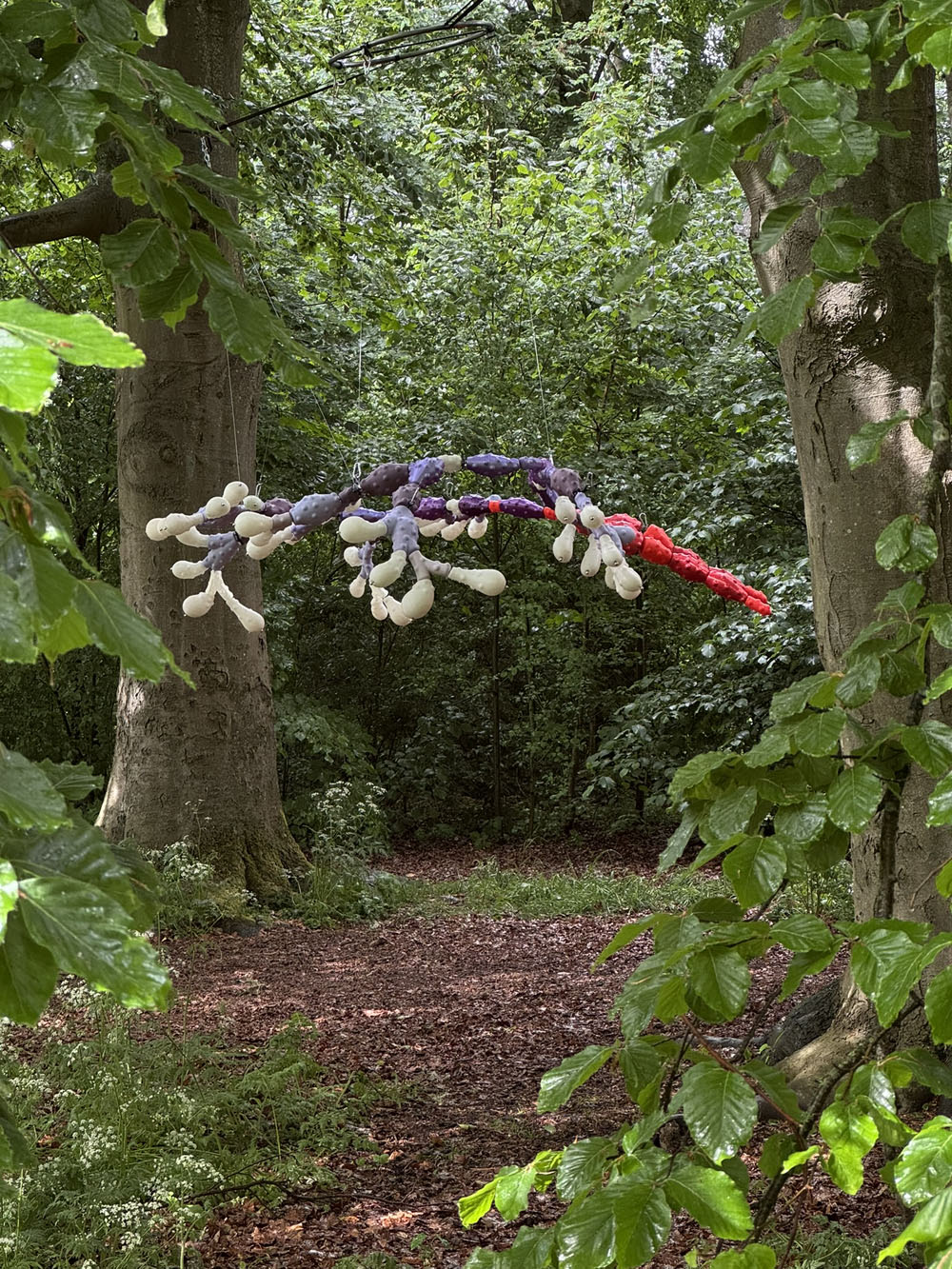
2025
Making Kin II
Sculpture
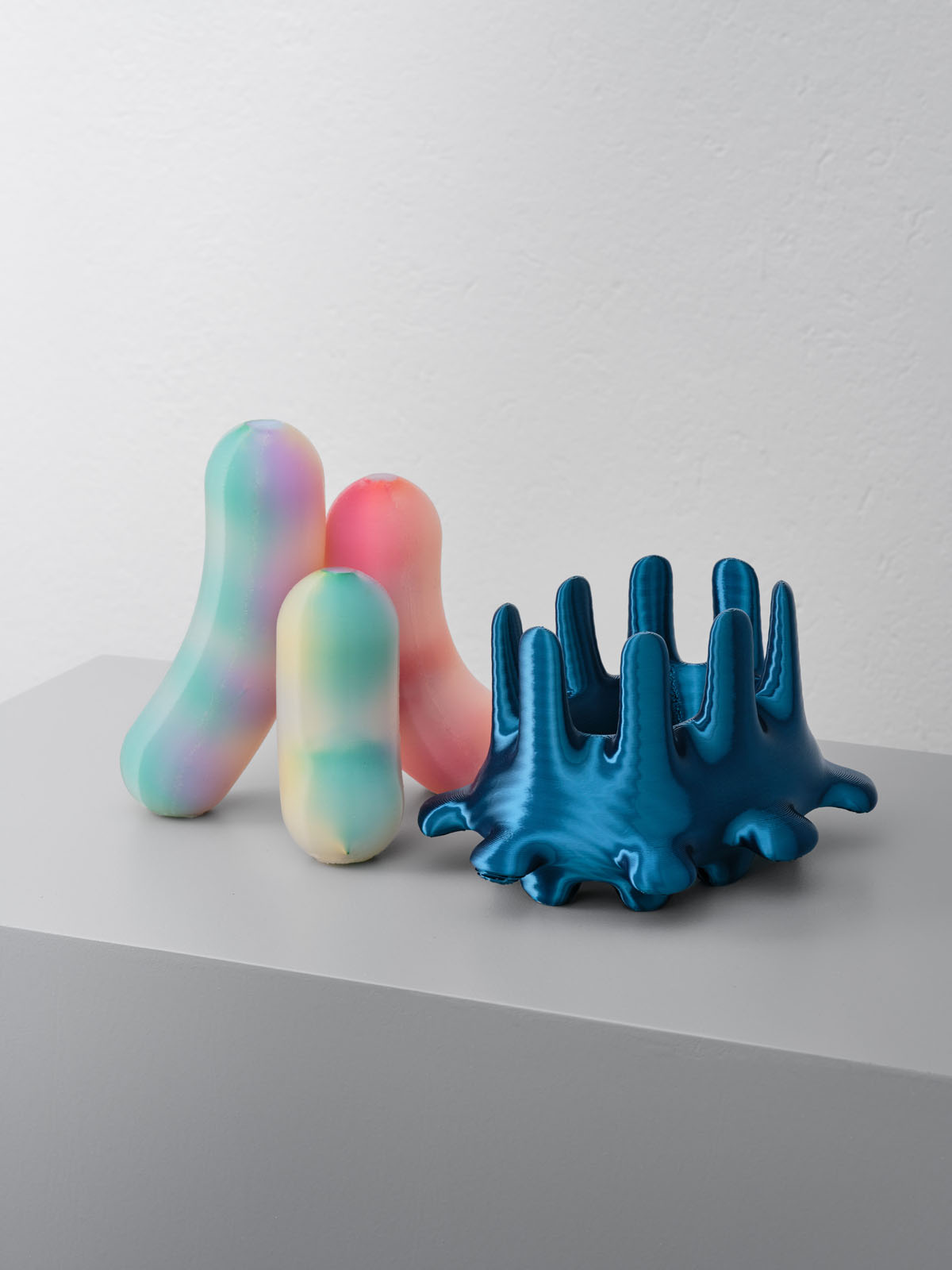
2024
Techno Mythologies
Solo Exhibition
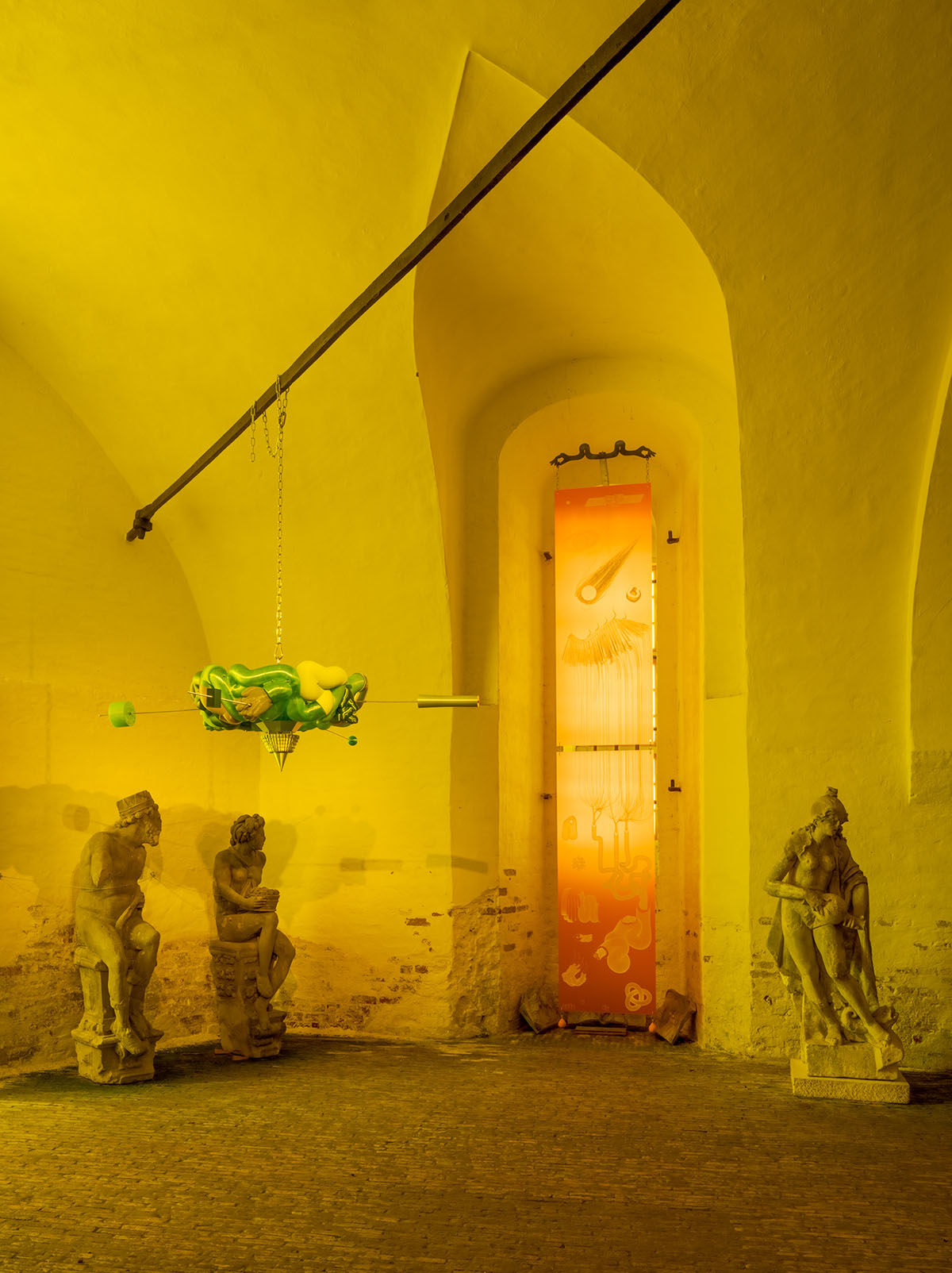
2024
Snake Oil
Sculpture

2024
VIKING
Sculpture

2024
Hand of the Many
Sculpture
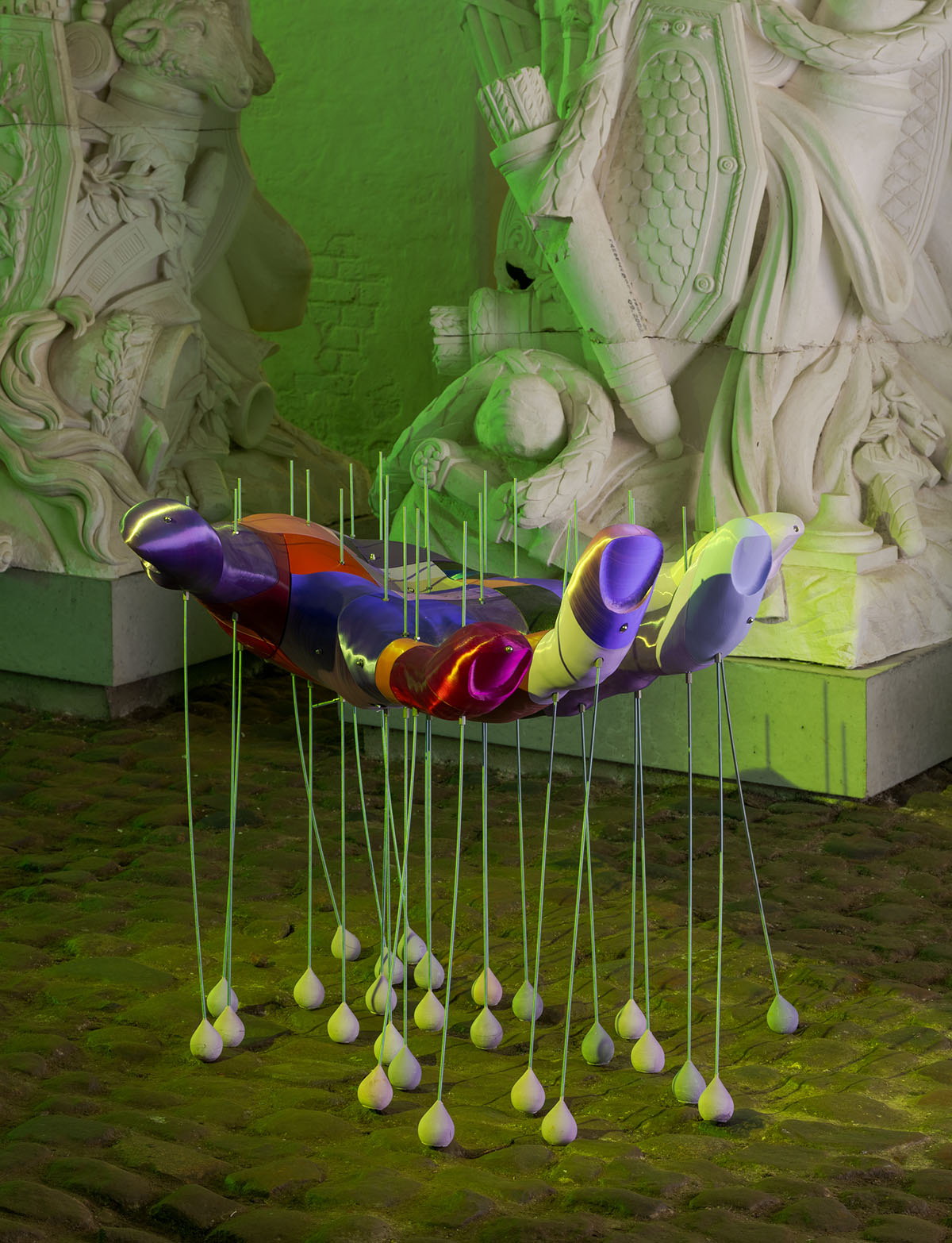
2024
Hand of Rebirth
Sculpture

2024
Trunks I-III
Sculpture
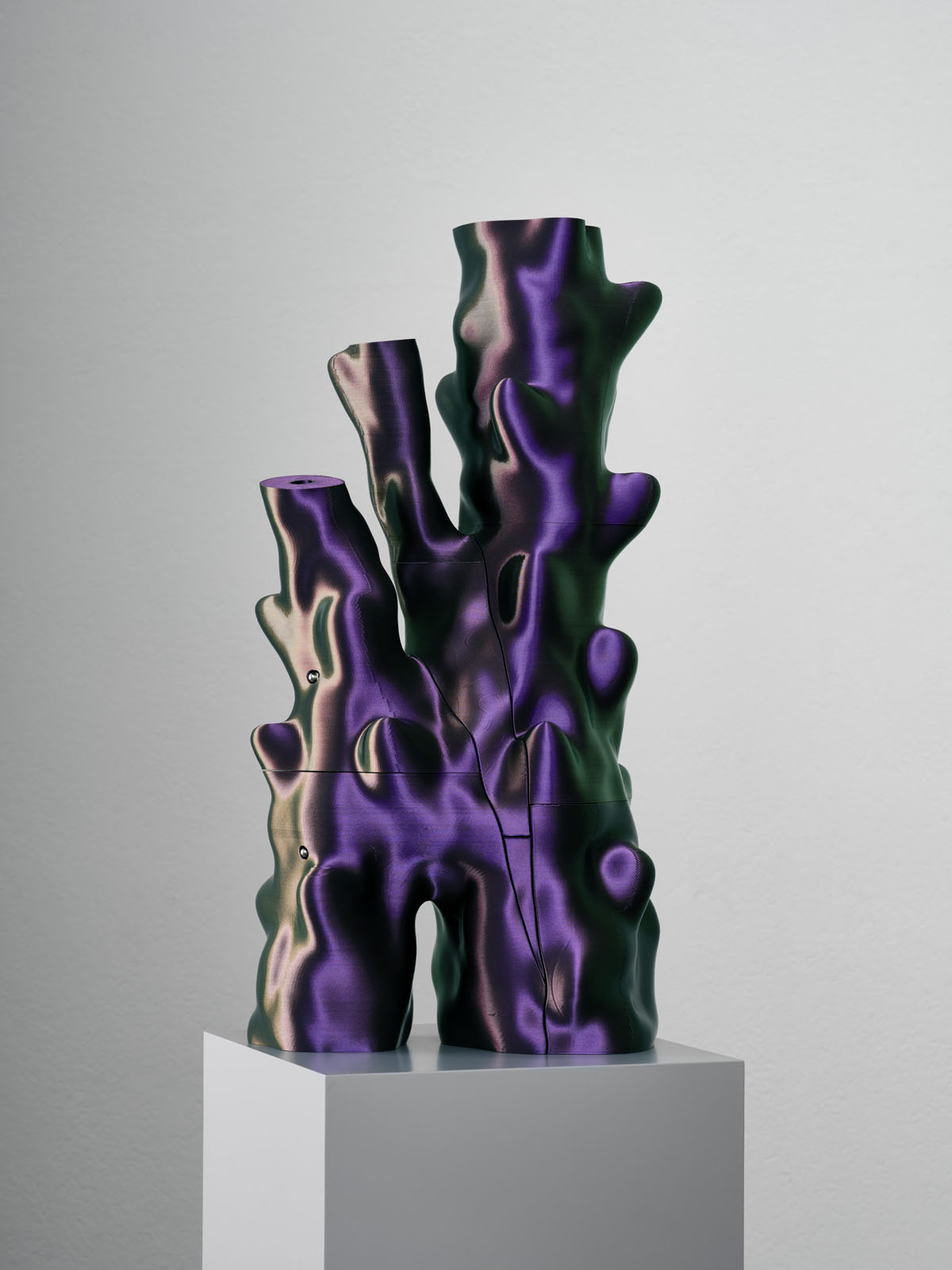
2024
Feeling Forward I
Relief
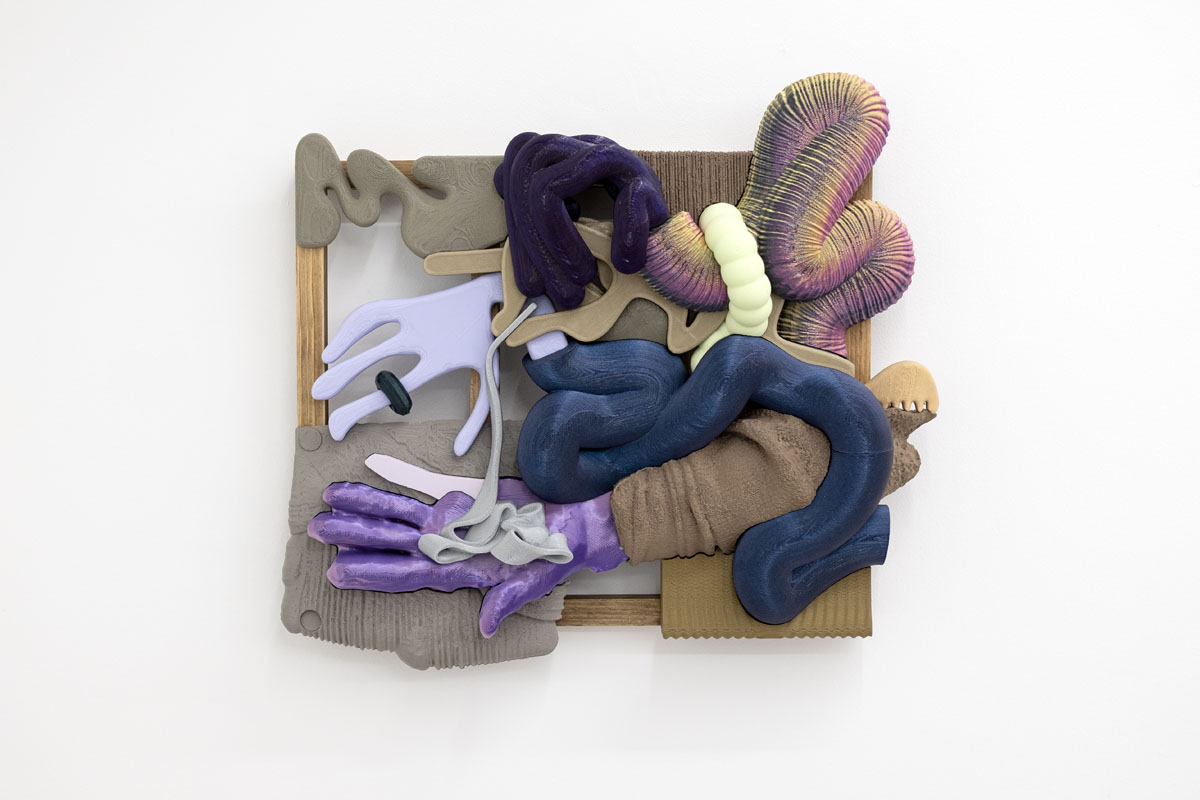
2024
Feeling Forward II
Glass Etch
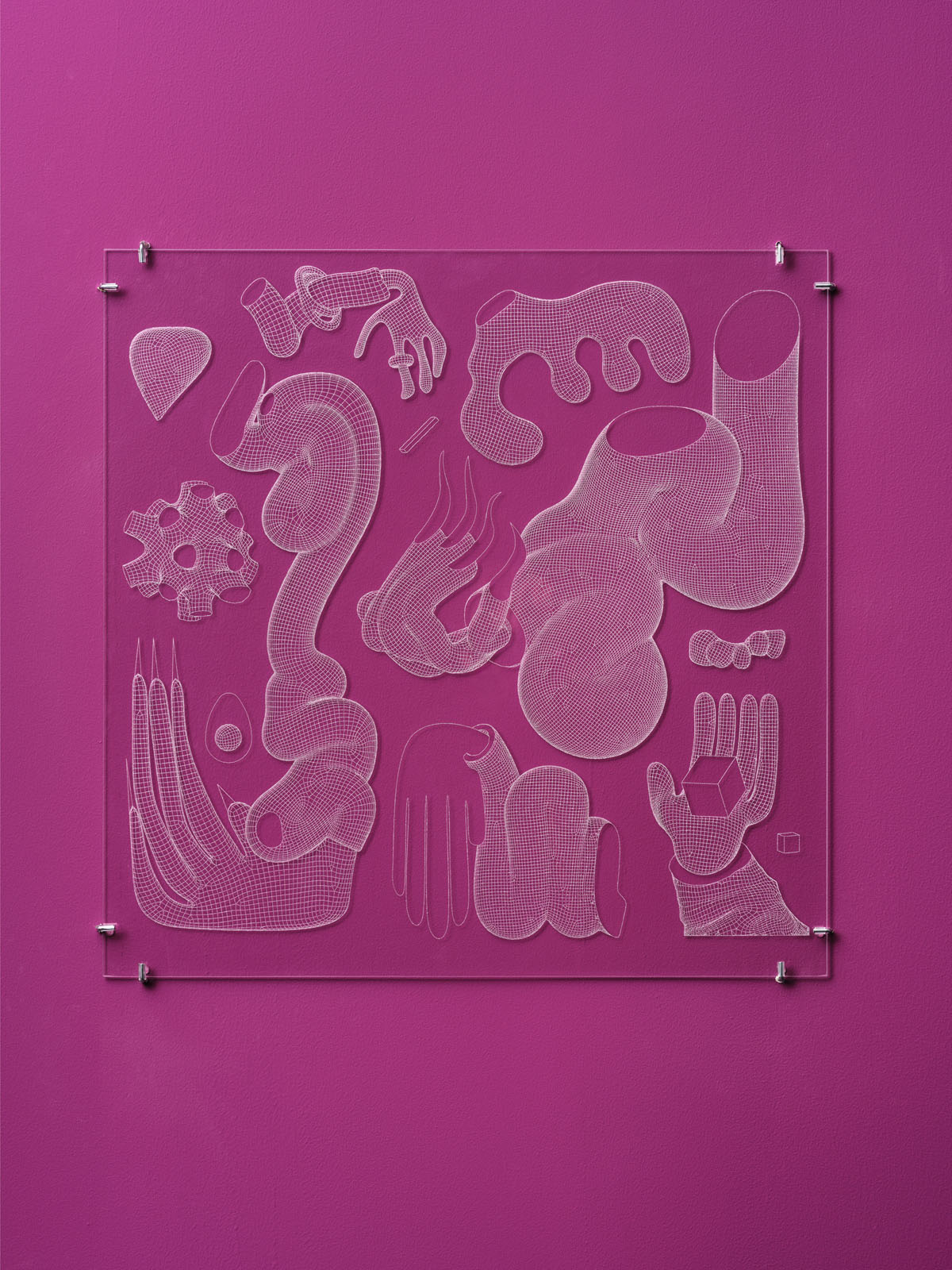
2024
Hand in Hand
Installation, Public Art
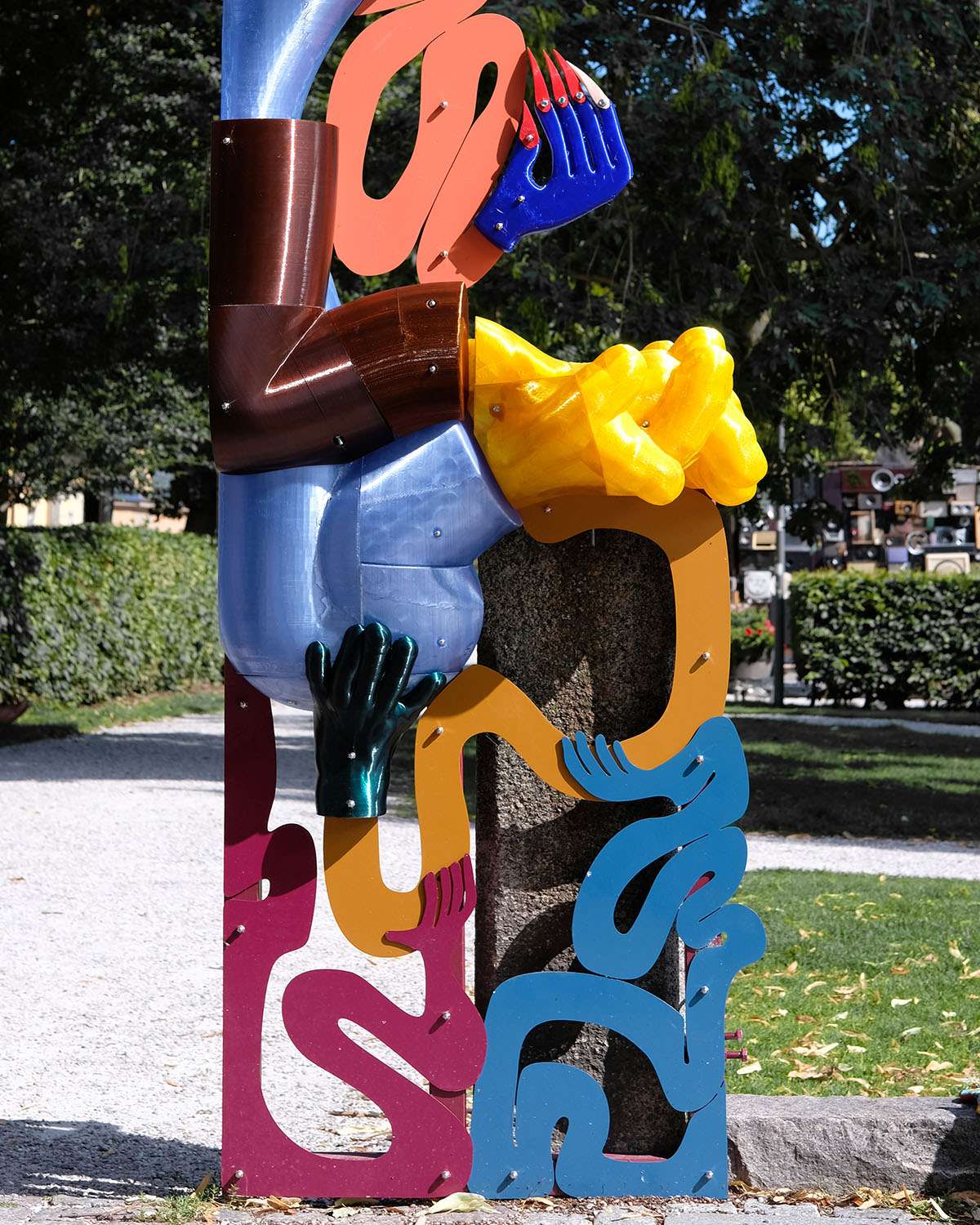
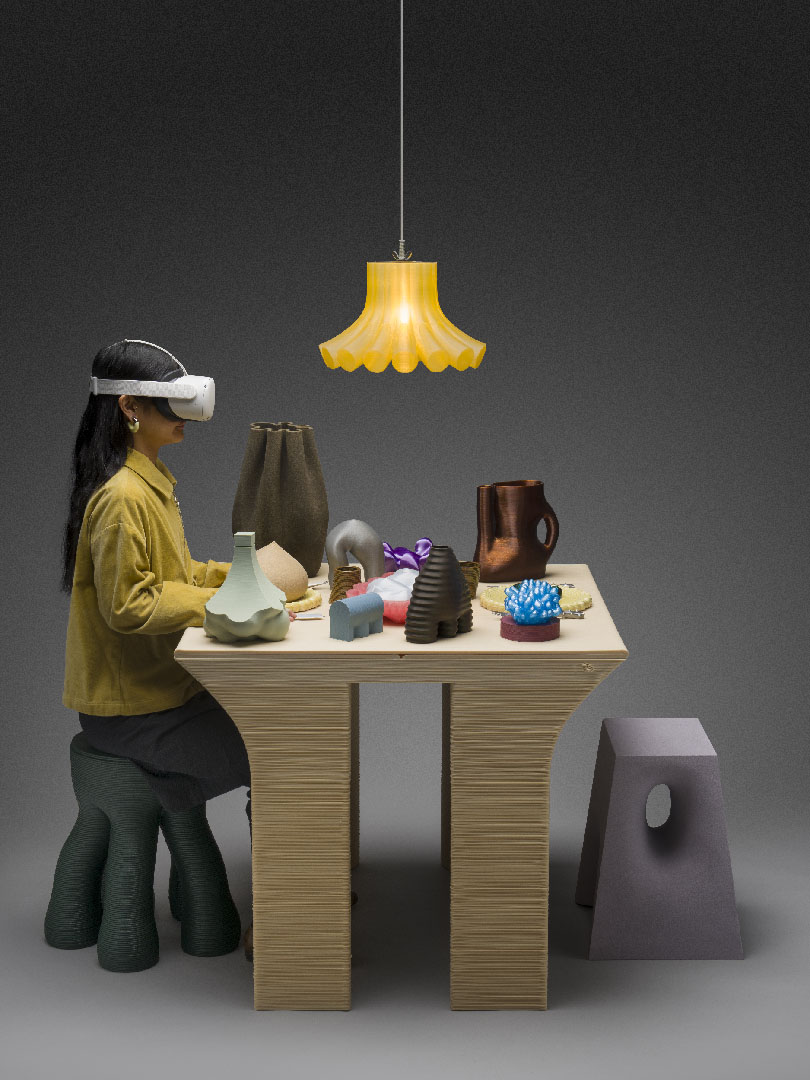
2023
The Liminal Eatery
Interactive Installation
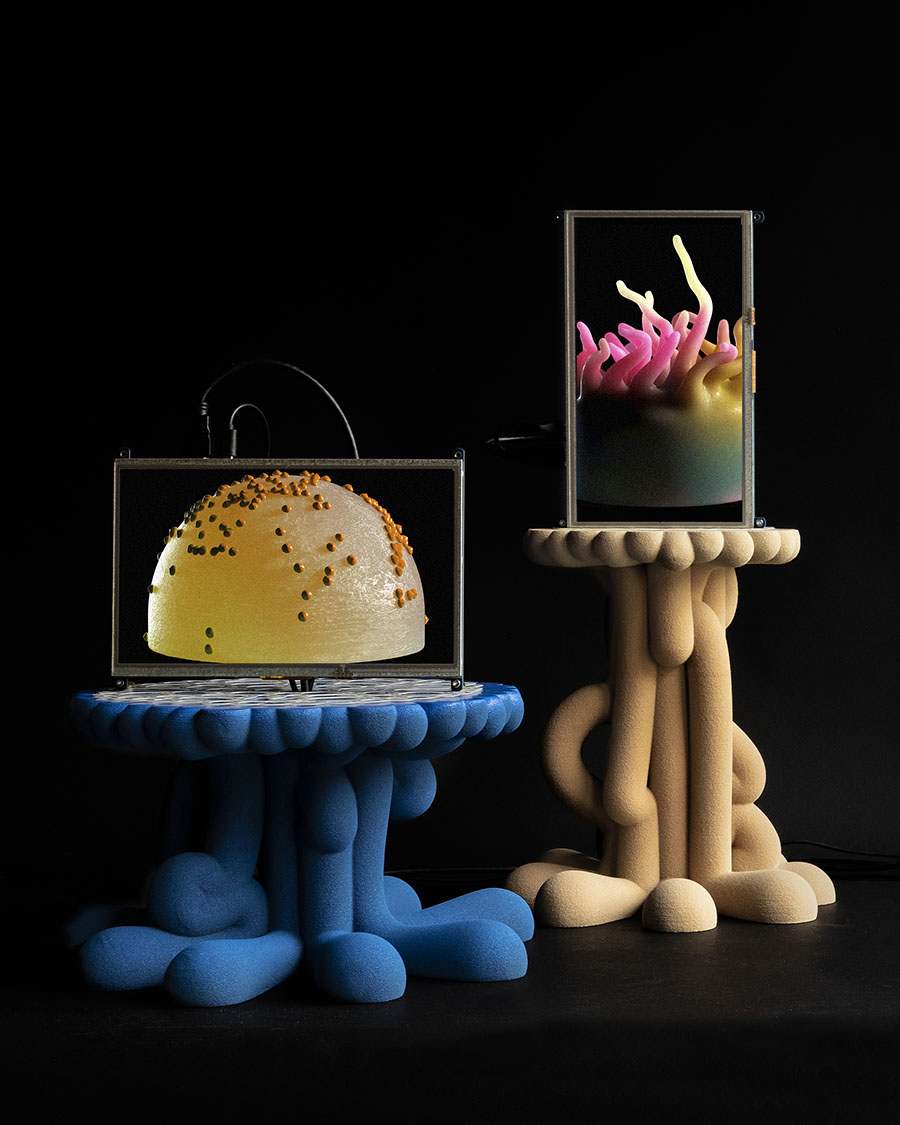
2023
Digital Indulgence
Sculpture
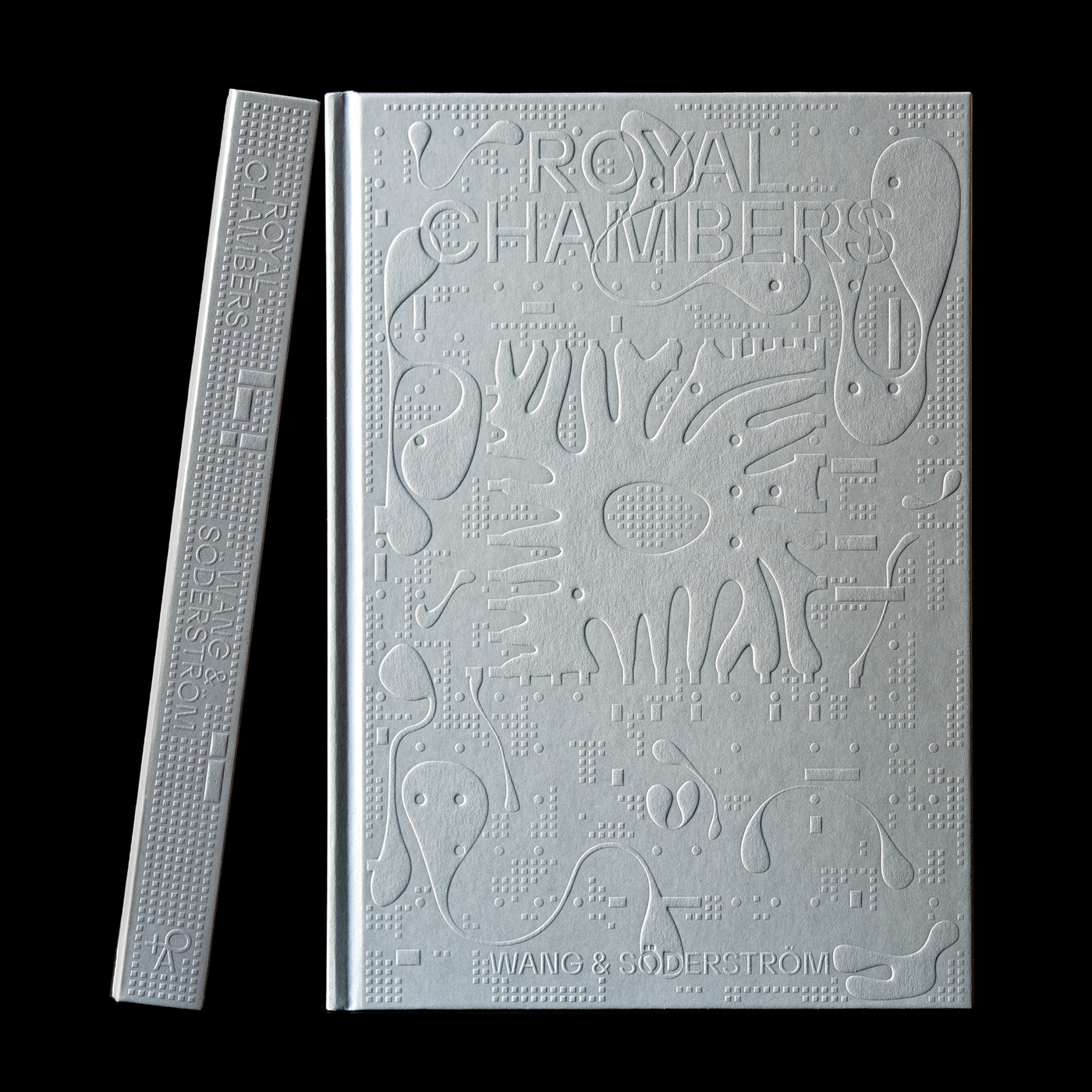
2023
Royal Chambers - Book
Publication
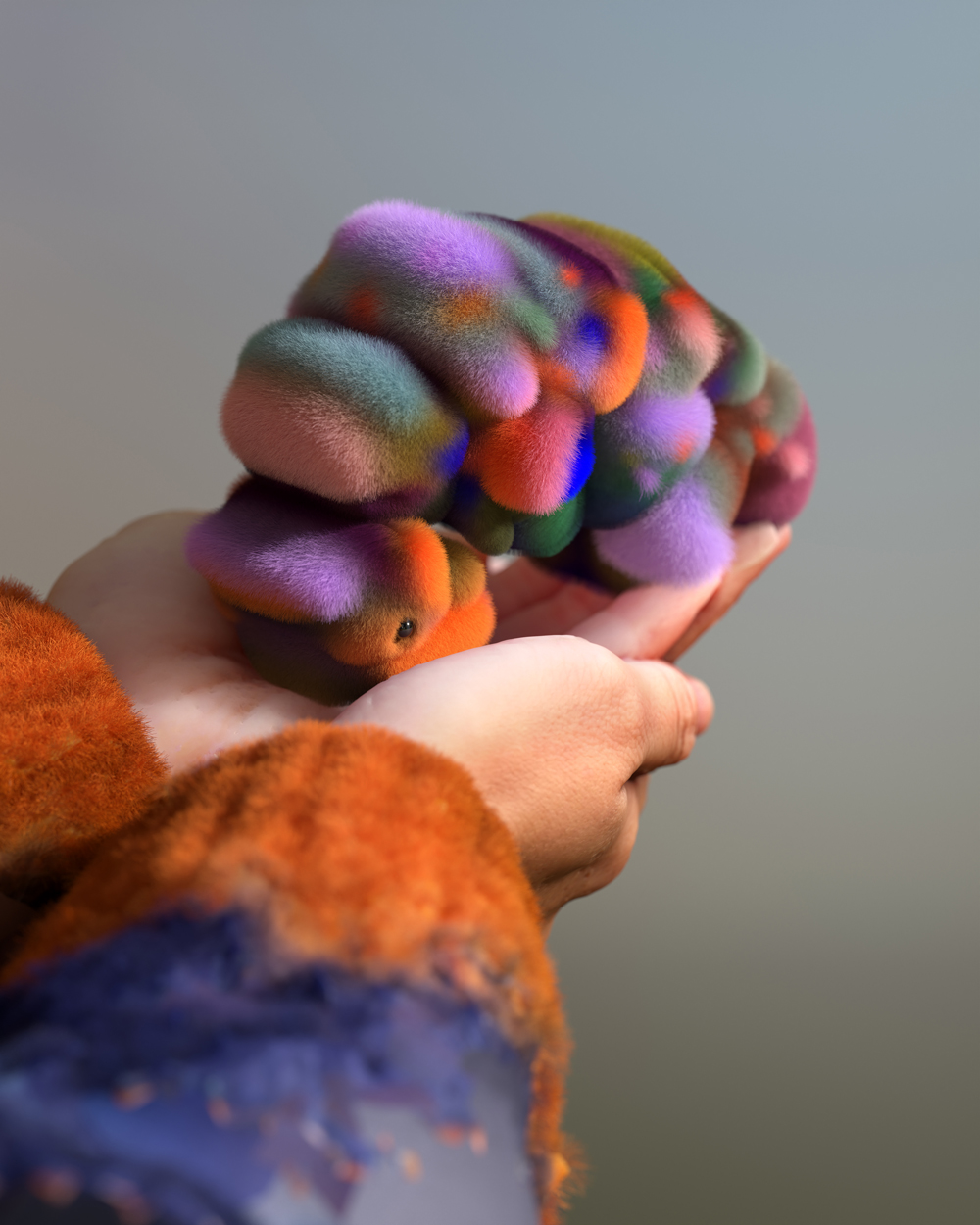
2023
Handling
Digital Imagery
2023
Synthetic Crops II
Digital Imagery
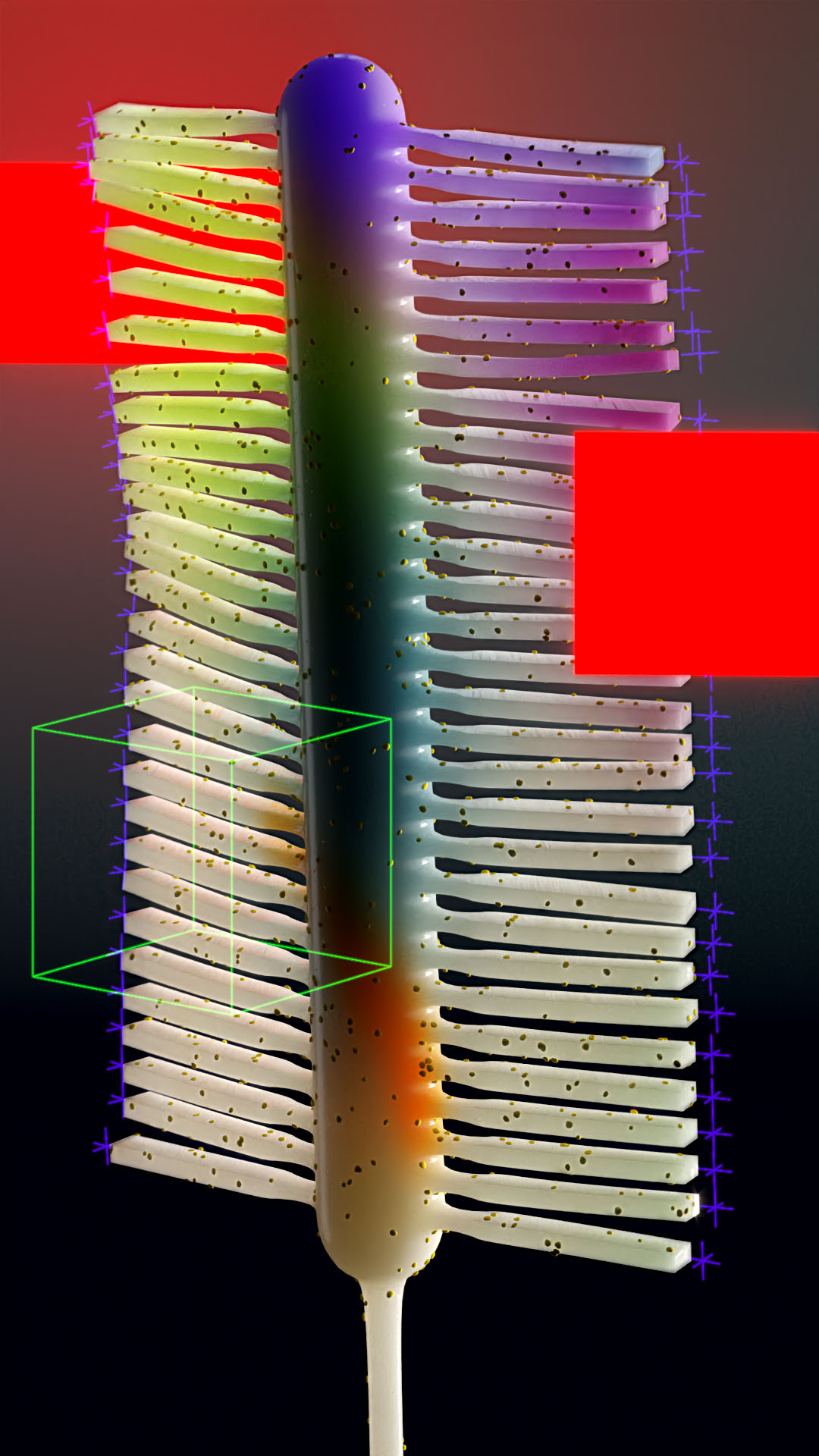
2022
Royal Chambers
Solo Exhibition
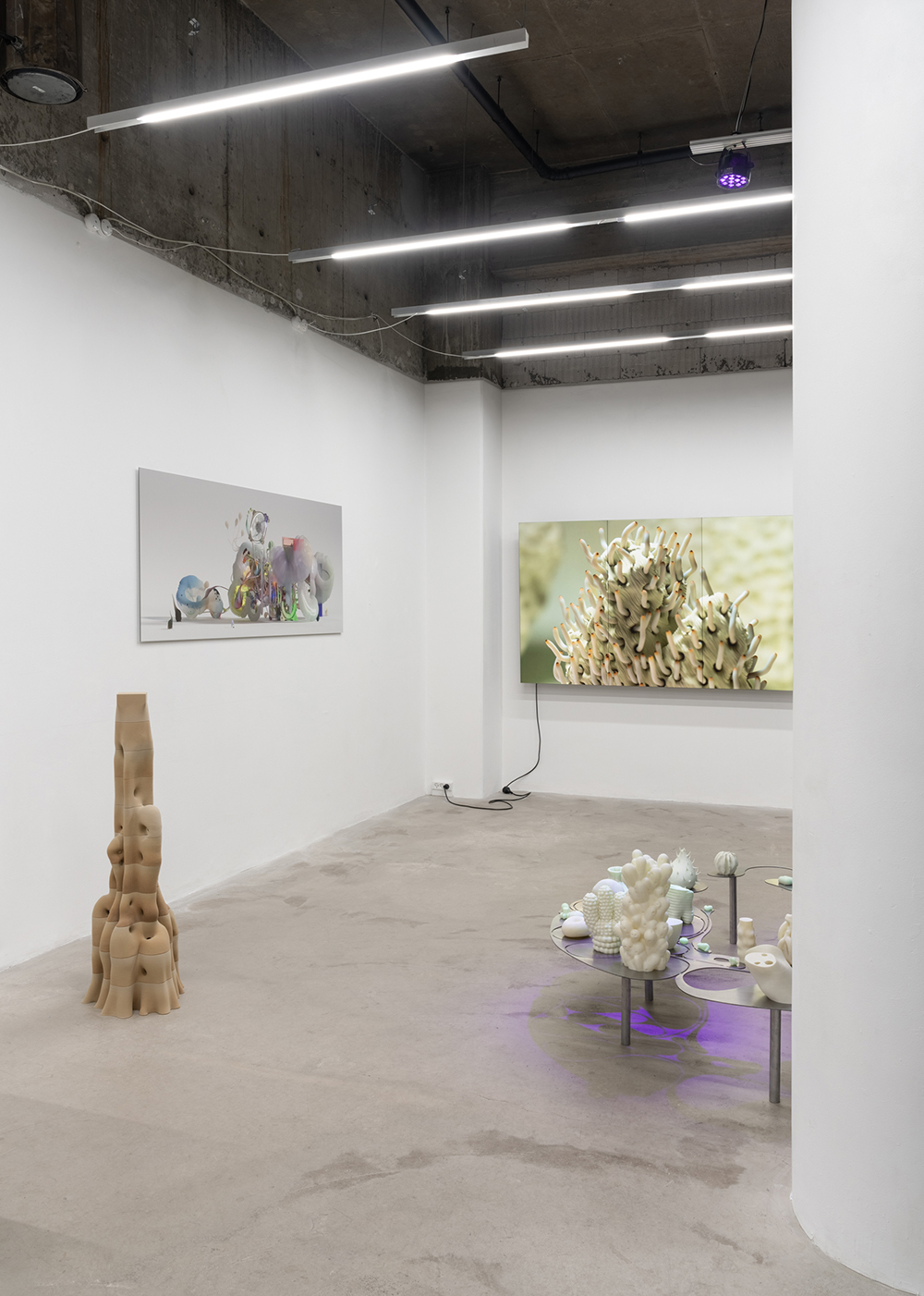
2022
Wh331 0f 1!f3
Video Installation
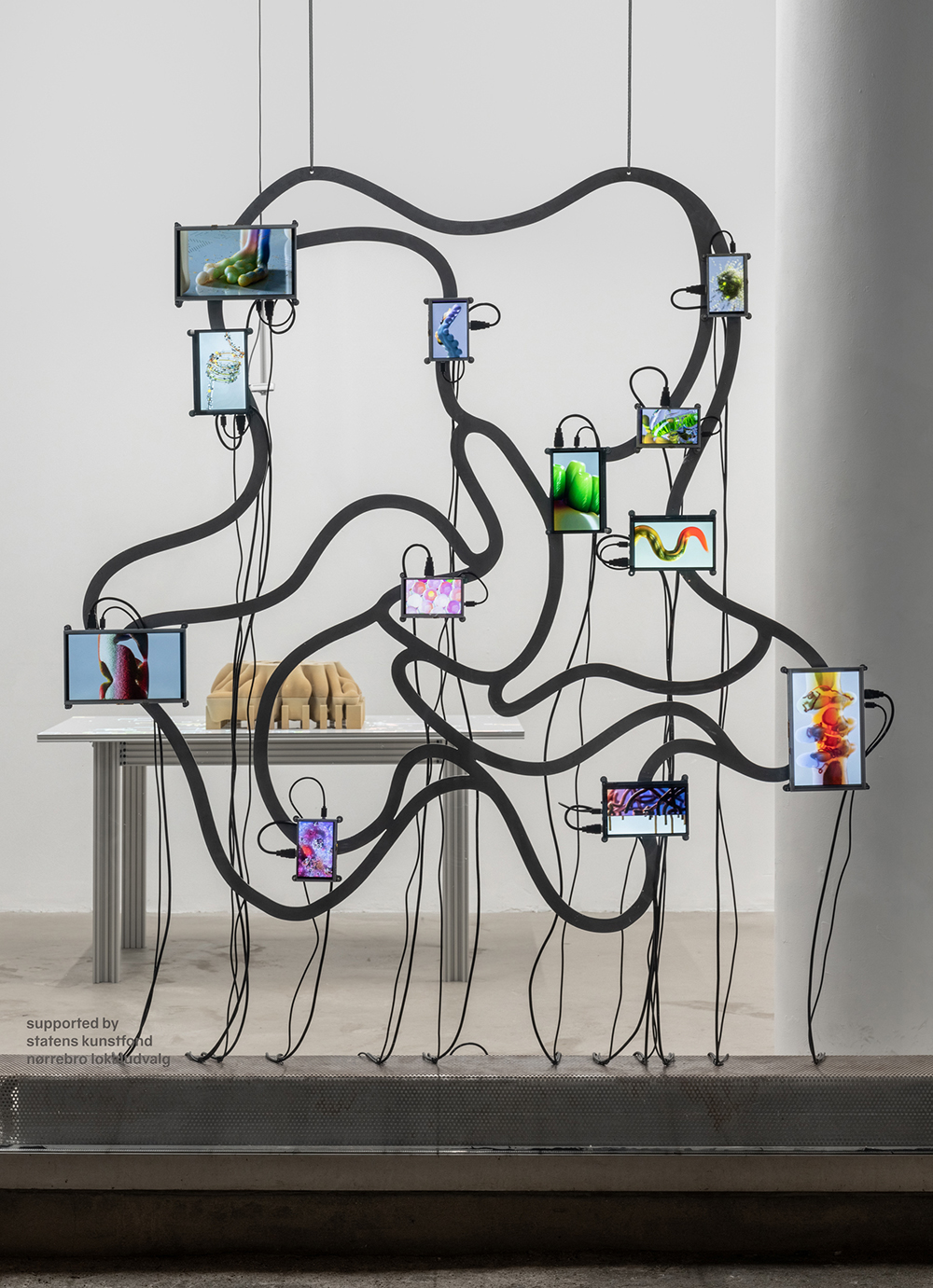
2022
Rehousing Technosphere
Animation
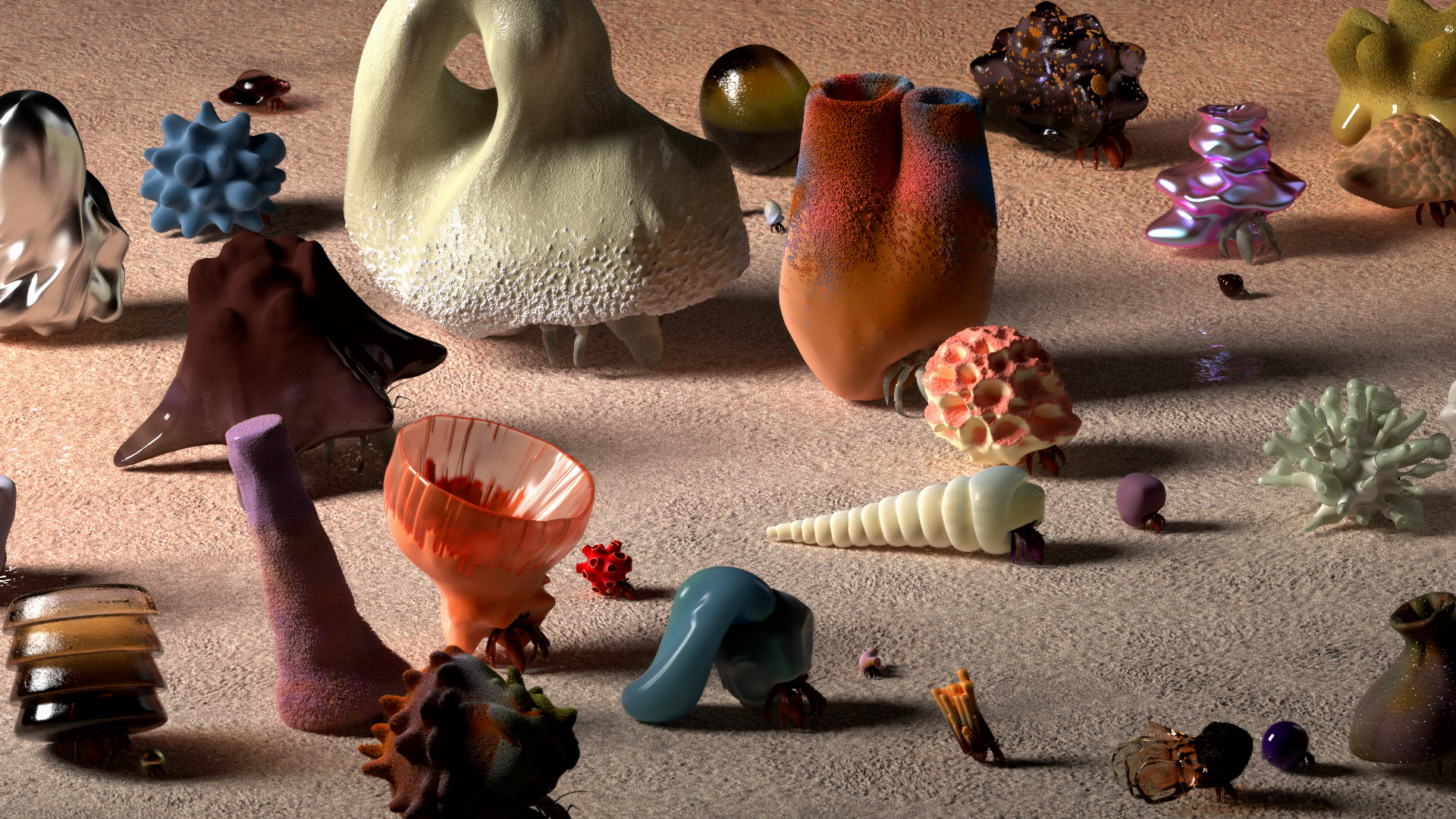
2022
Between Earth and Cloud
Sculptural Installation
2022
Nest of You
Interactive Installation
2022
Abiogenesis
Digital Print
Show More ︎︎︎

© 2016 —
2025 Wang & Söderström

Sense Machine
Year: 2025
Public Art / Installation - Temporary
Bloom Festival, Copenhagen
Exhibition period: May 20 — May 25. 2025
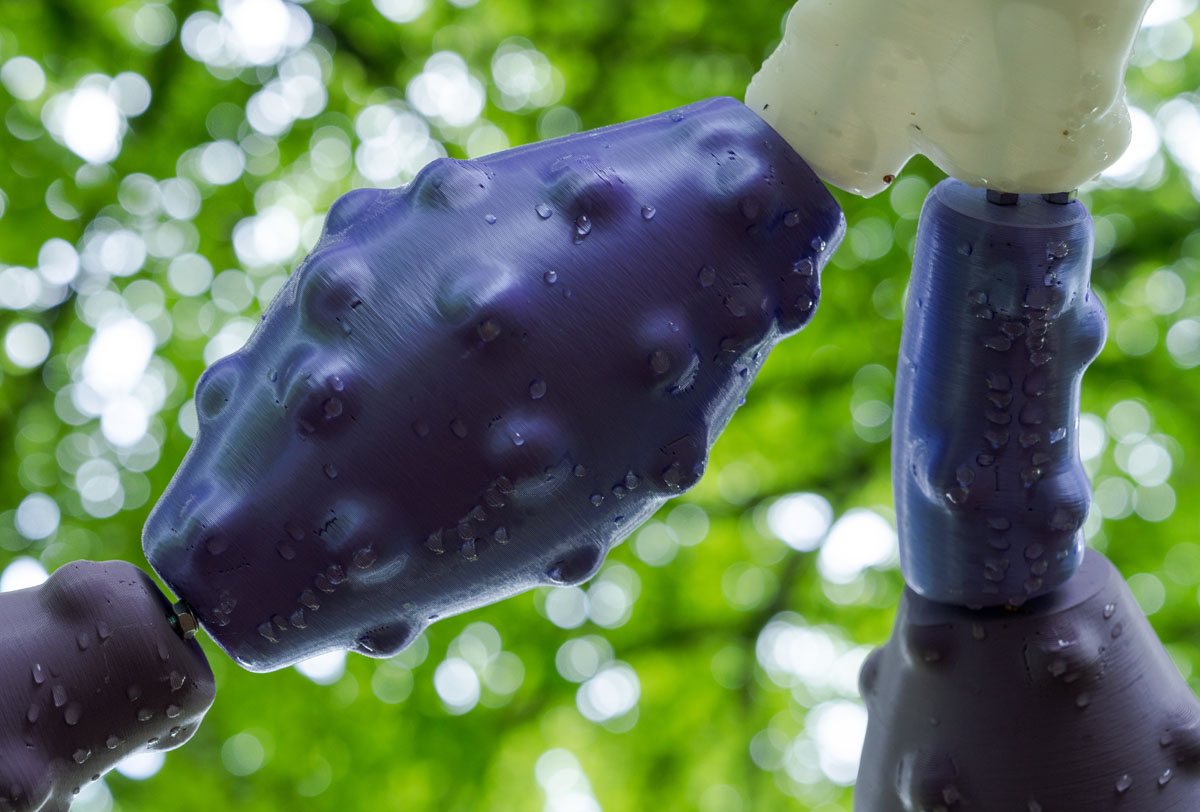
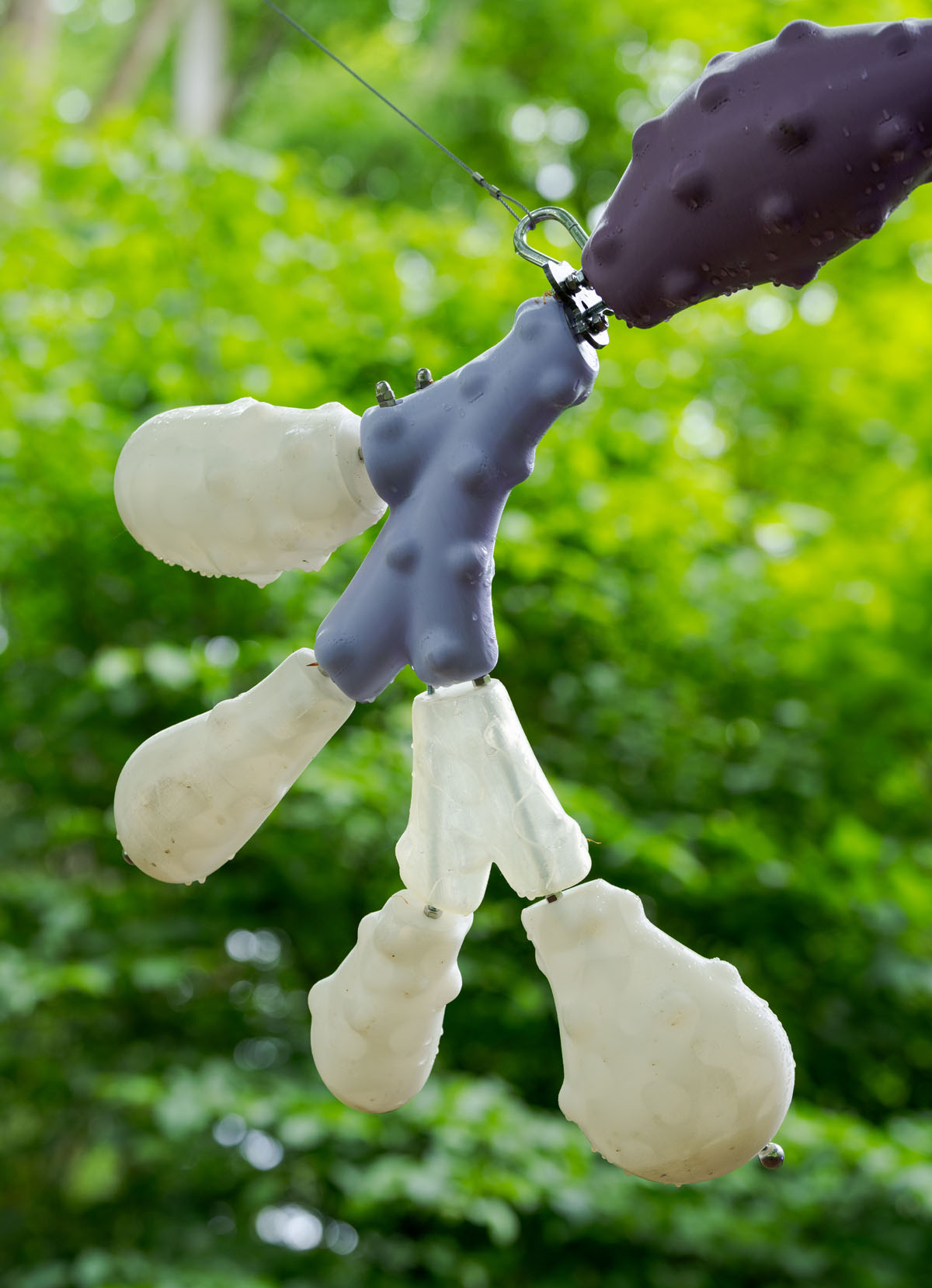
Technique: Digital sculpting, 3D printing, sound, 3D animation, CGI, Gaussian splatting
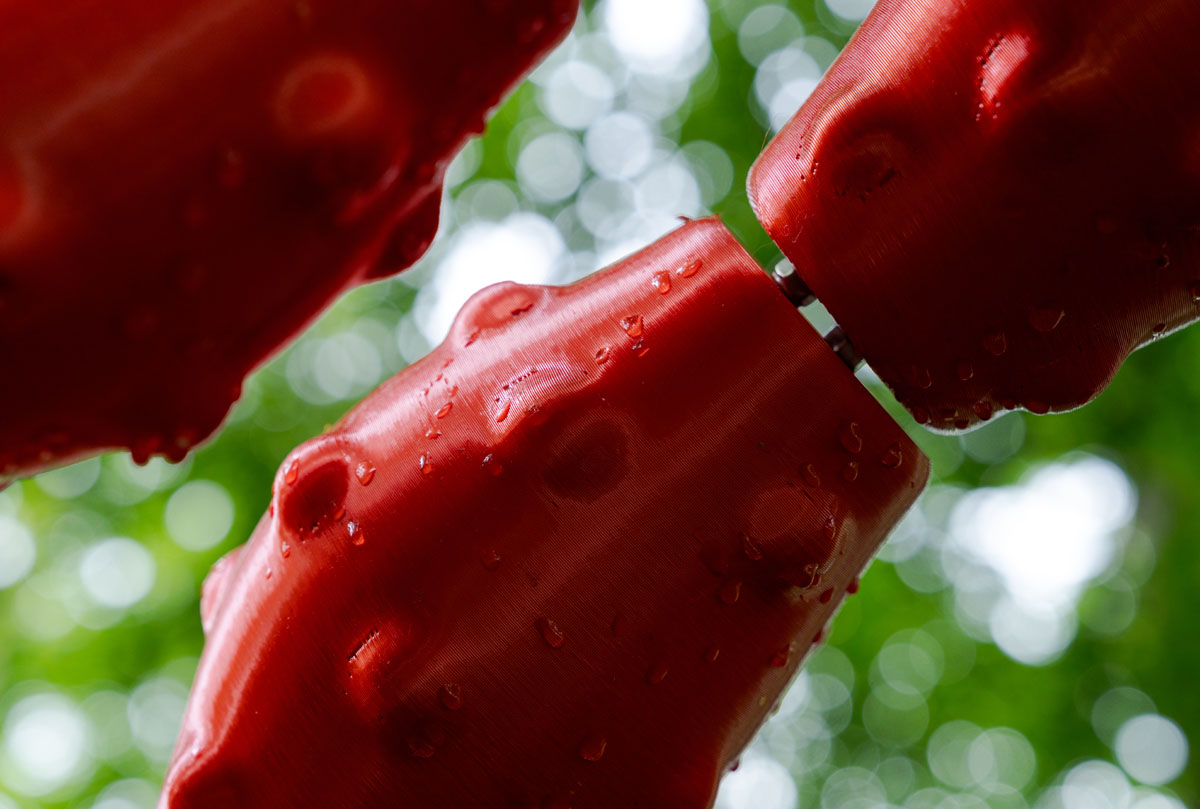
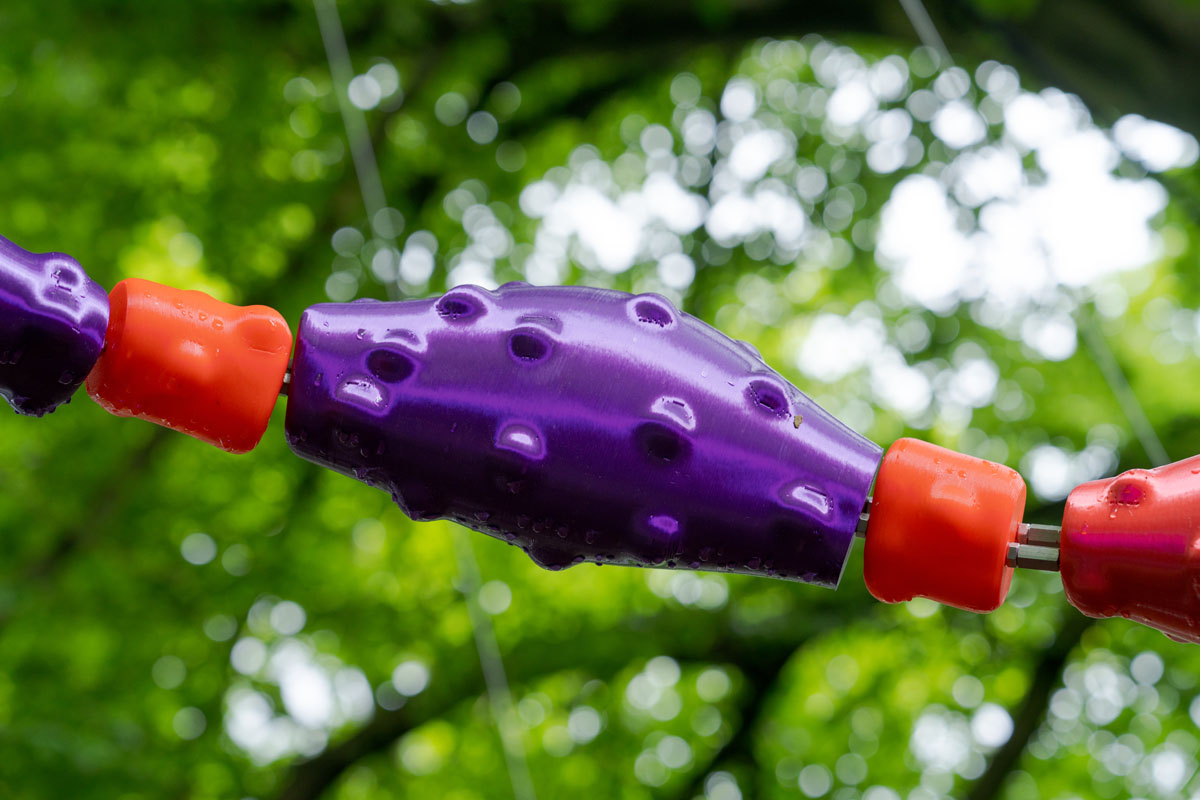
Material: LED, Speakers, Recycled thermoplastic polyester (rPETG), polylactic acid biobased plastic (PLA), metal
Photos by: David Stjernholm + Wang & Söderström
Orginal text in Danish by Steffen Krejberg Knudsen/ Bloom.
Public Art / Installation - Temporary
Bloom Festival, Copenhagen
Exhibition period: May 20 — May 25. 2025
Technique: Digital sculpting, 3D printing, sound, 3D animation, CGI, Gaussian splatting
Material: LED, Speakers, Recycled thermoplastic polyester (rPETG), polylactic acid biobased plastic (PLA), metal
Photos by: David Stjernholm + Wang & Söderström
Orginal text in Danish by Steffen Krejberg Knudsen/ Bloom.
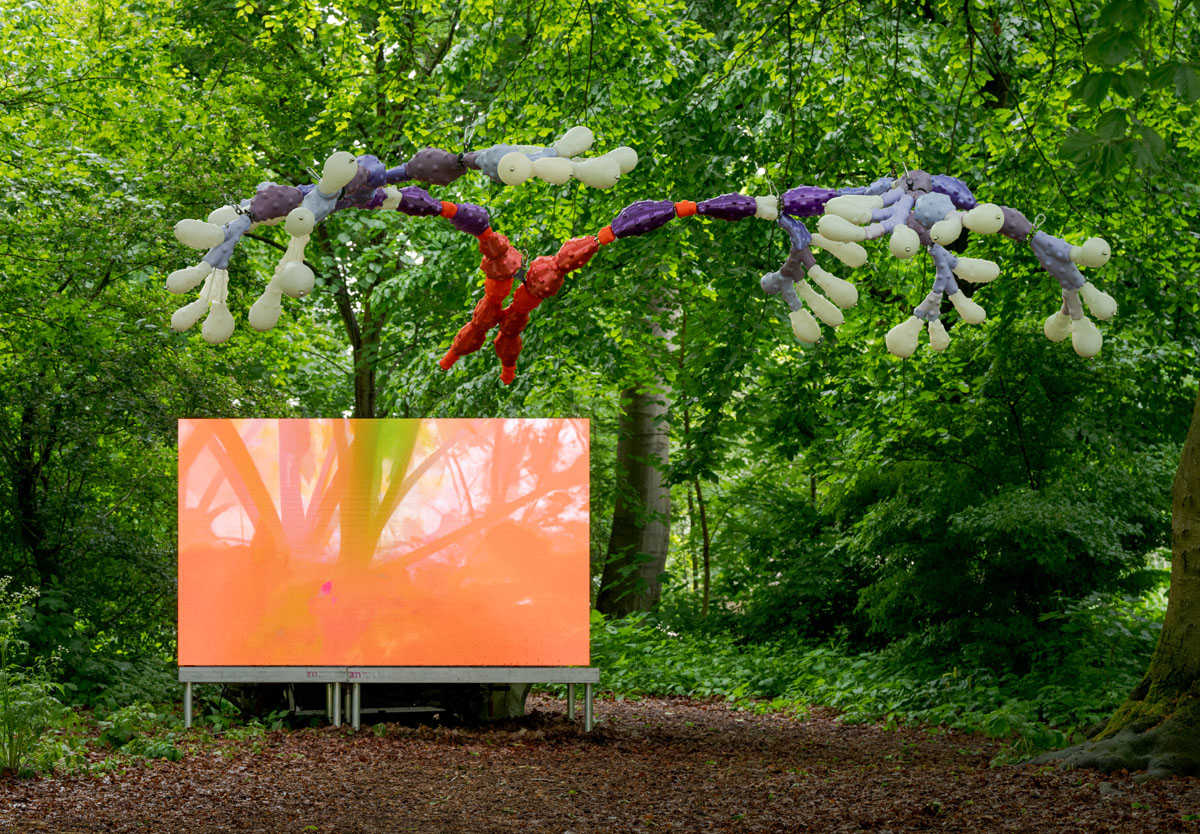
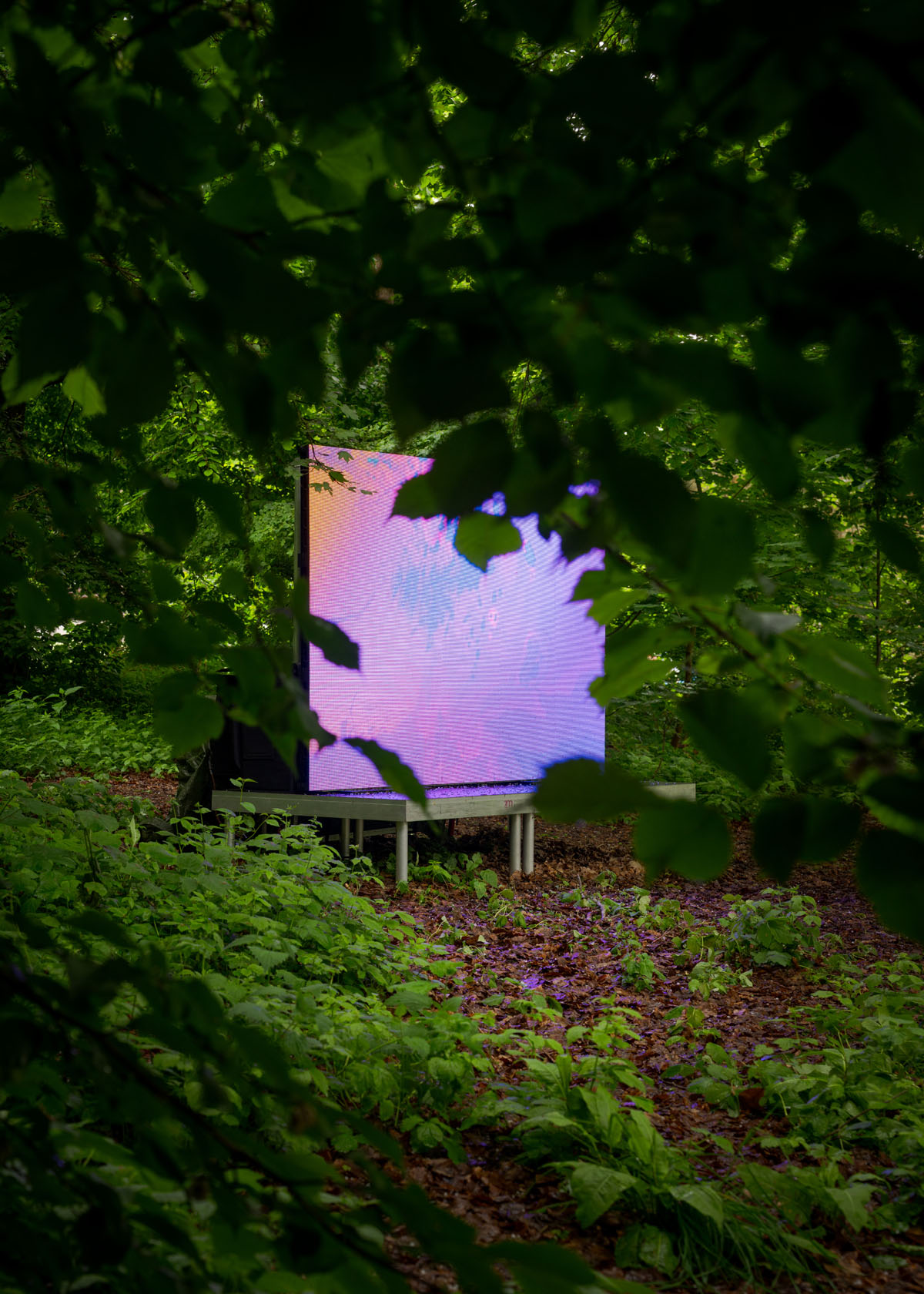
The installation Sense Machine, consists sculpture and a video and sound work that jumps
between the sensory worlds of different creatures. Do we know the difference between being an ant and a robot? Can forms of intelligence other than human intelligence help us navigate a world that is both physical
and digital, biological and artificial?
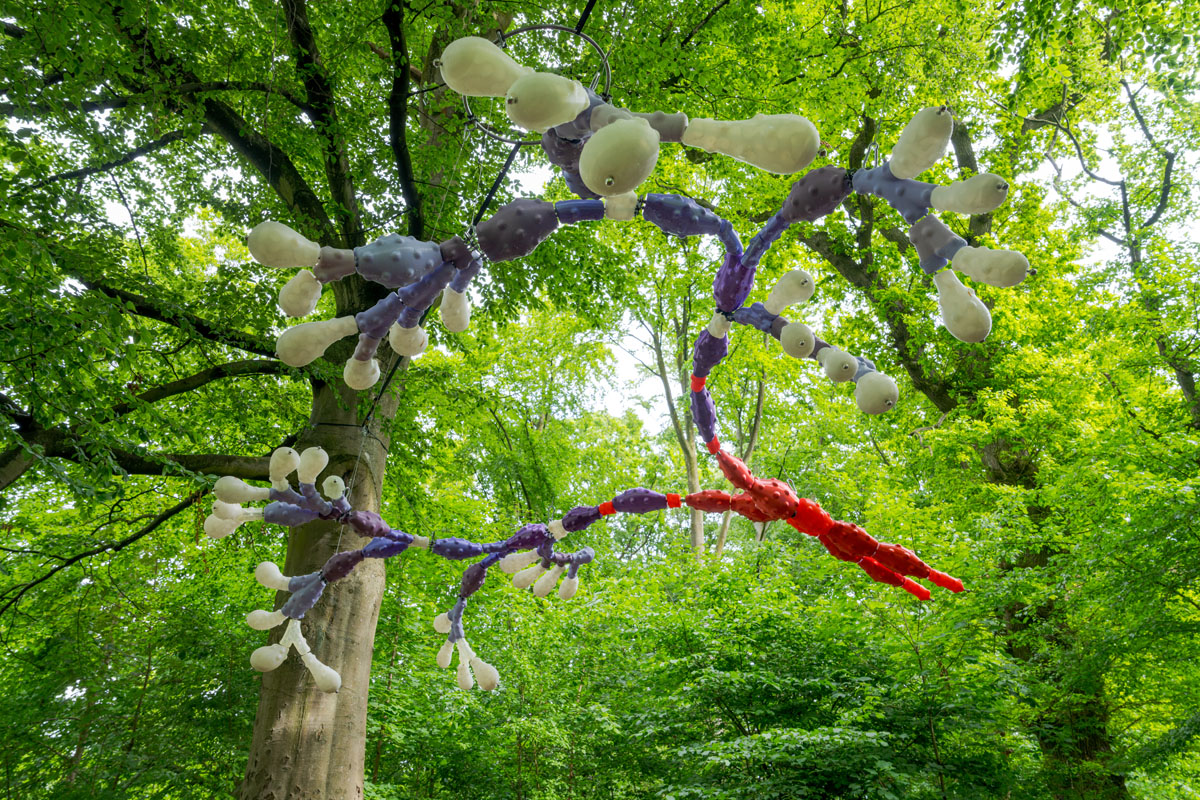
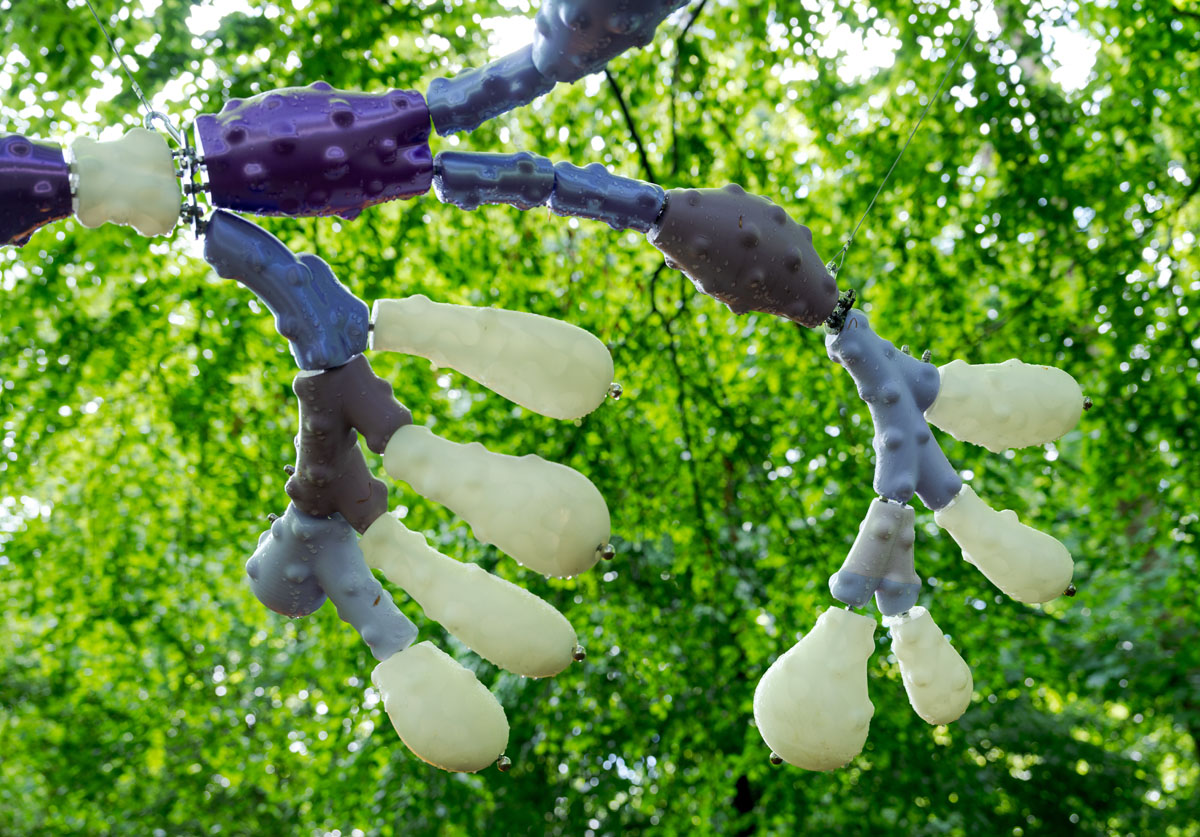
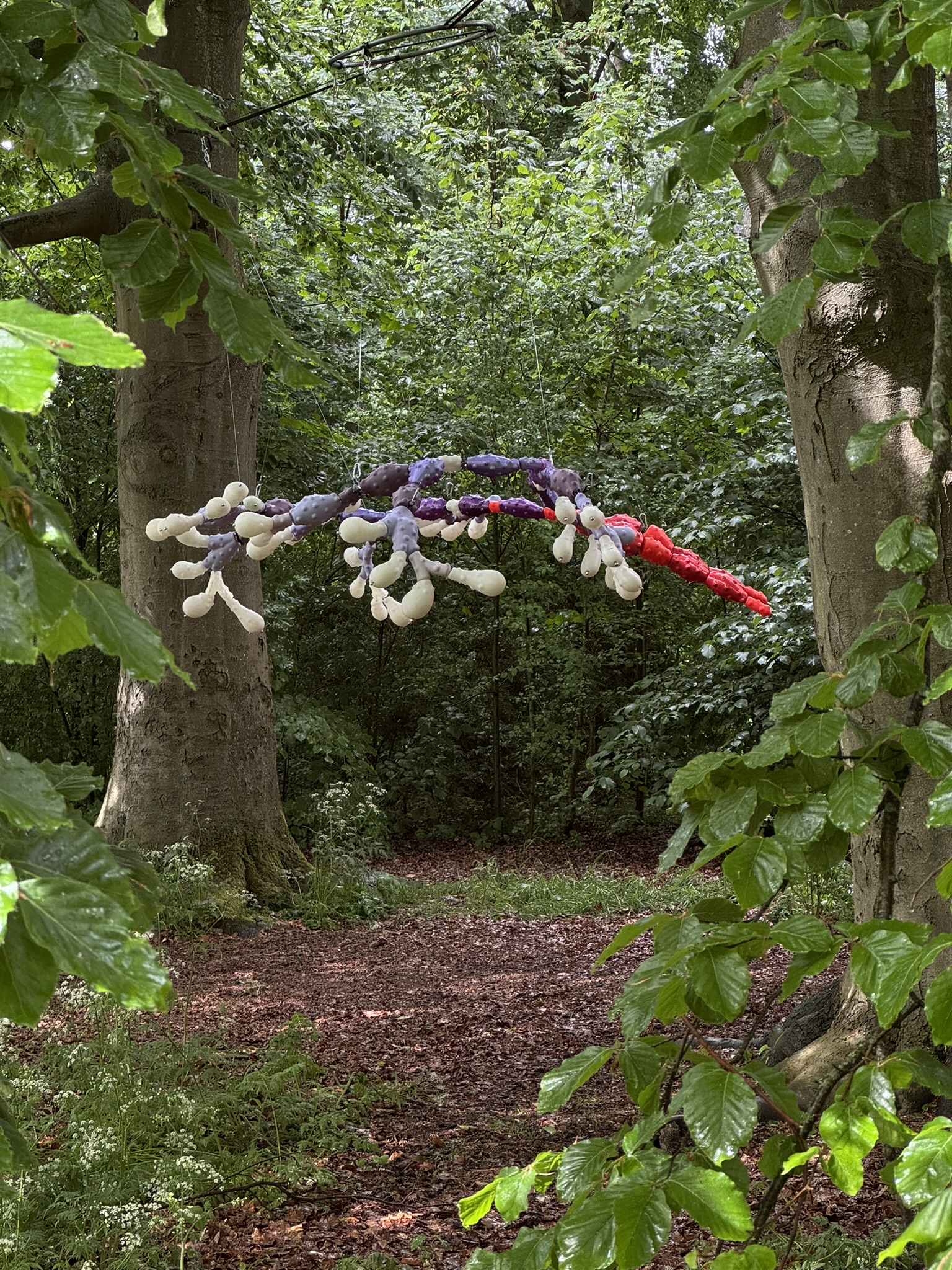
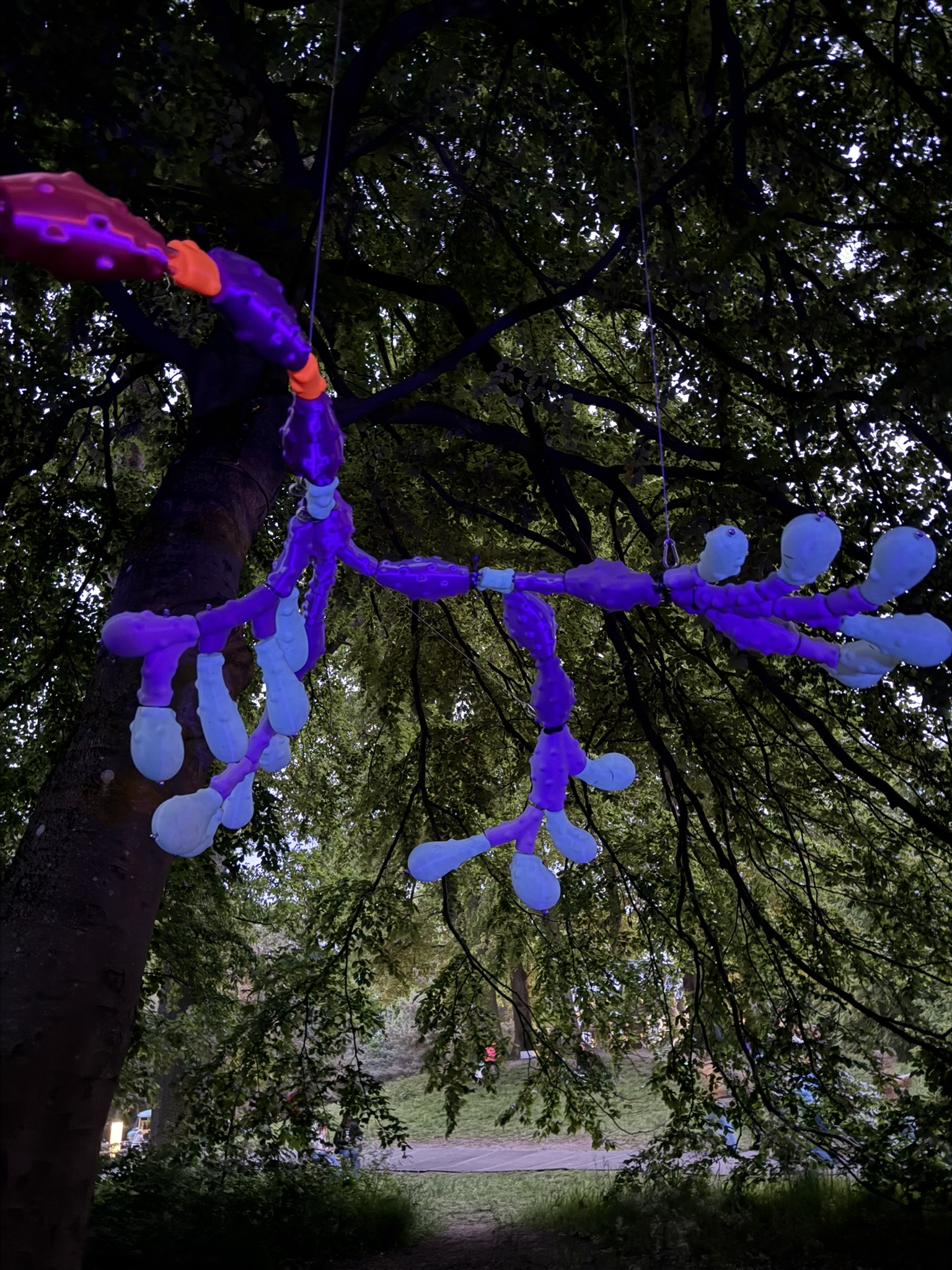
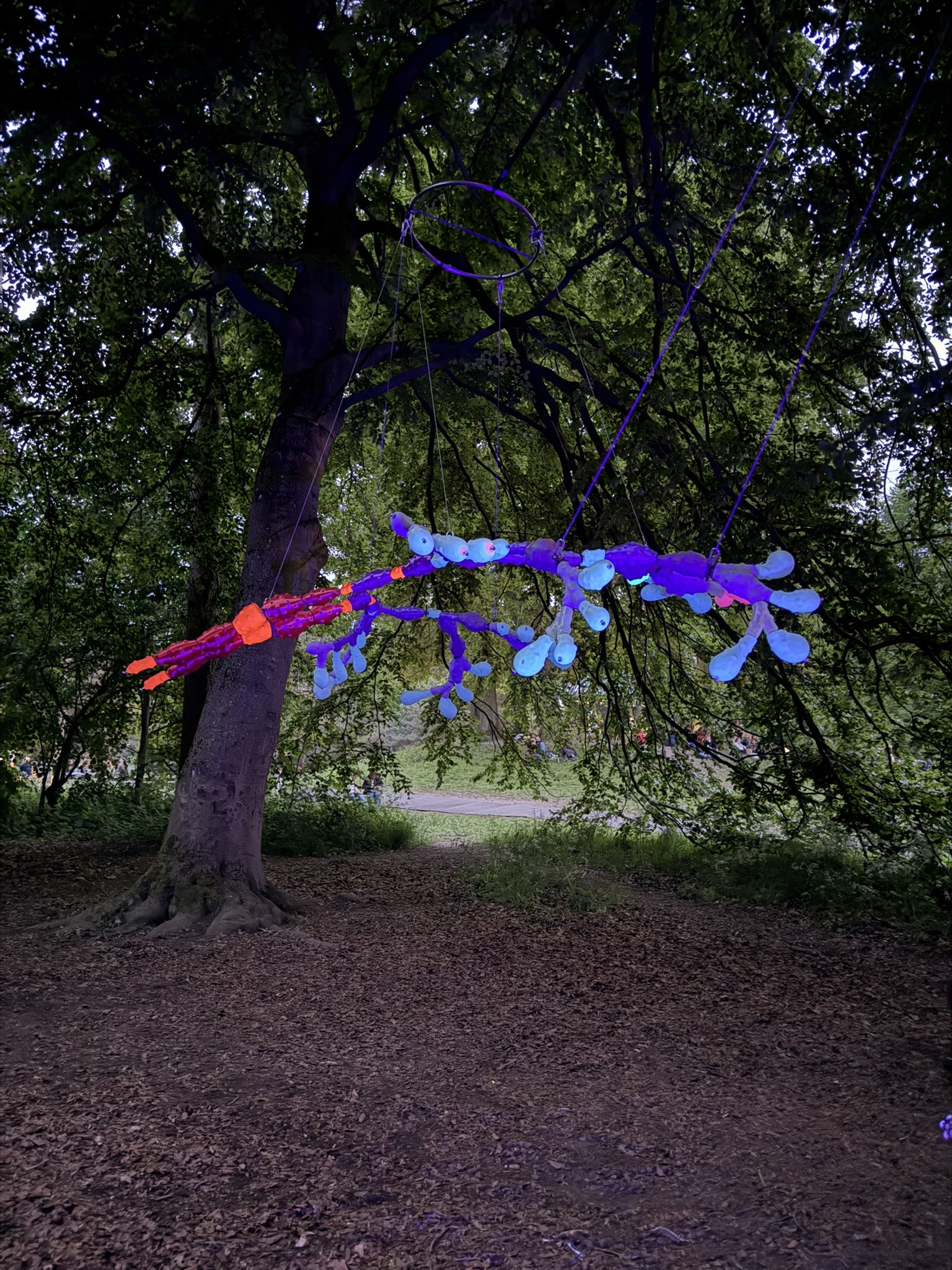
The sculpture among the treetops is as much a UFO as it is an insect – an unidentifiable,
floating sensory apparatus without a body.
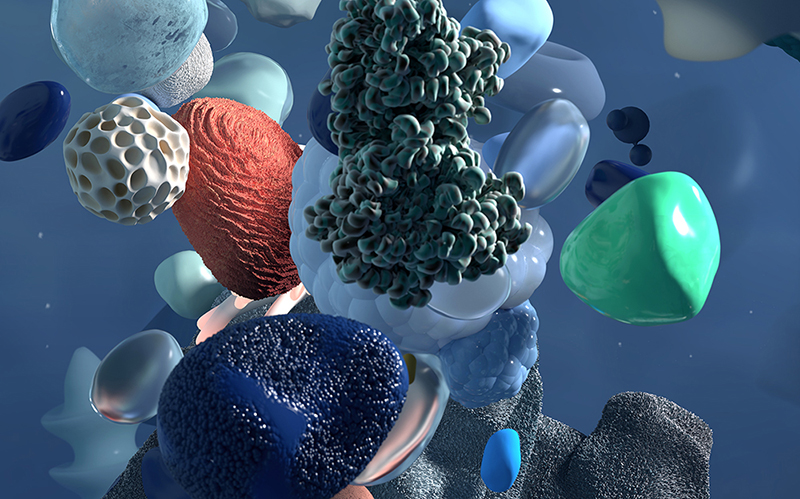
Like an echo of the sensory apparatus' impressions, the video work morphs and zaps between different creatures' ways of sensing the world, and together they form a techno-futuristic sensory machine in two parts that opens lines of communication across species and technologies and makes new frequencies of empathy and sympathy possible. In a speculative investigation of different forms of intelligence – from that of the oak tree and the ant to that of the octopus and the machine – Wang & Söderström focus sharply on the common features and connections between the sensory worlds of animals and the new technological sensory systems we are in the process of creating and merging with. Where do our biological sensory apparatus end and where do digital technologies – from GPS and satellites to artificial intelligence – begin in an age where the digital has become intertwined with all aspects of our lives?
Like an echo of the sensory apparatus' impressions, the video work morphs and zaps between different creatures' ways of sensing the world, and together they form a techno-futuristic sensory machine in two parts that opens lines of communication across species and technologies and makes new frequencies of empathy and sympathy possible. In a speculative investigation of different forms of intelligence – from that of the oak tree and the ant to that of the octopus and the machine – Wang & Söderström focus sharply on the common features and connections between the sensory worlds of animals and the new technological sensory systems we are in the process of creating and merging with. Where do our biological sensory apparatus end and where do digital technologies – from GPS and satellites to artificial intelligence – begin in an age where the digital has become intertwined with all aspects of our lives?